
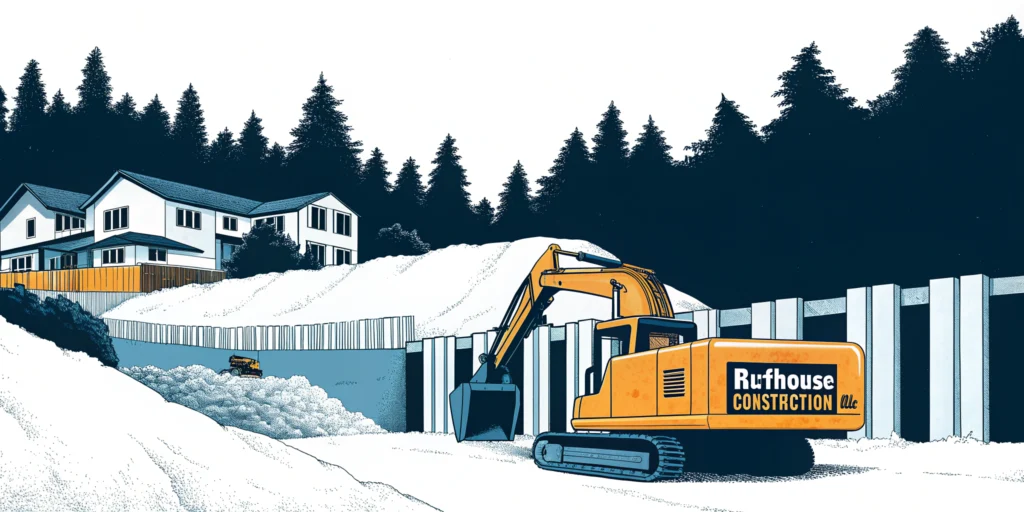
When you handle soldier pile wall maintenance in Seattle, you’re managing structures that must stand up to the region’s rainfall, changing soil conditions, and growing urban development. We understand that, as a general contractor or property developer, you want clear steps to protect your investment. Below, you’ll find practical guidance for keeping your soldier pile walls in top shape.
Recognize Seattle’s soil challenges
Seattle’s damp, dense soils can speed up corrosion and increase pressure on soldier piles. Areas like Tacoma and the broader Puget Sound region often deal with shifting moisture levels beneath the surface.
- Monitor drainage: Poor drainage is the culprit behind many stability issues. Watch for standing water along the base of your wall.
- Check for lateral shifts: If the tops of your soldier piles move more than a few inches, it could signal a failing anchor or tieback system.
Inspect key structural elements
A regular inspection routine helps you catch small problems before they become emergencies.
- Check piles for deformation
Look for cracks or changes in alignment. In one Issaquah case, lateral deformation reached eight inches, which required immediate repair. - Evaluate tieback anchors
Failing anchors can compromise your entire wall. Splicing new strands onto damaged anchors may help stabilize a wall, though permanent solutions often involve deeper engineering work. - Assess lagging materials
Timber lagging can degrade faster than expected, especially if you used hem-fir or if moisture remains trapped. For a service life longer than 75 years, you might consider precast concrete panels that carry 100% of the load if the timber fails.
Follow evolving permit guidelines
Public agencies in Seattle and across the Puget Sound region set regulations to safeguard roads, infrastructure, and private properties.
- SDOT’s permit requirements: The Seattle Department of Transportation requires annually renewing Public Space Management permits for soldier piles placed in the right-of-way. Make sure your ownership and maintenance responsibilities are clearly recorded.
- Construction approvals: For large shoring projects, coordinate with the Seattle Department of Construction and Inspections. Pre-design meetings are recommended to ensure you meet local codes.
Avoid common mistakes
We know it’s easy to overlook certain details, especially on busy job sites. Here are a few pitfalls to watch for:
- Underestimating soil loads: Lagging must be sized appropriately to prevent undue deflection and potential arching failures.
- Using the wrong lumber: In wet conditions, hem-fir lumber lags just don’t hold up. Explore more durable woods or concrete components for longevity.
- Skipping routine checks: Even if you’ve invested in professional soldier pile wall engineering in Seattle, neglecting routine inspections can leave you with expensive repairs later.
Use professional resources
Retaining walls that support steep slopes or deep excavations require ongoing expertise. A local firm that specializes in soldier pile wall maintenance seattle can guide you in:
- Annual or semi-annual inspections
- Material selection, such as corrosion-resistant coatings
- Emergency repair strategies and tieback restressing
When you’re ready, you can also partner with retaining wall engineering services puget sound to develop a more robust long-term plan.
Expert tips for extended service life
A few extra steps can help you extend the lifespan of your soldier pile wall:
- Consider upgraded materials: Premium coatings or specialty beams may cost more upfront but often reduce long-term maintenance costs.
- Document inspections: Keeping a log of each inspection makes it easier to spot trends and schedule proactive repairs.
- Maintain drainage solutions: Properly installed drains, weep holes, or gutters reduce hydrostatic pressure on your wall.
Frequently asked questions
-
What are early warning signs my soldier pile wall needs attention?
You might see cracks in the lagging, water pooling at the base of the wall, or slight tilting of the soldier piles. Even small shifts can point to underlying corrosion or anchor issues. -
Can I rely on timber lagging for a 75-year service life?
Typically, timber lagging has a shorter lifespan. If you need a long-term solution, explore concrete or steel panels and plan for periodic maintenance. -
How does Seattle’s permitting impact my repair timeline?
Permits from SDOT and the Seattle Department of Construction and Inspections may be required. Our experience shows that starting this process early prevents work delays. -
Are tiebacks required for every soldier pile wall?
Not always. It depends on the site’s height, soil conditions, and structural demands. A geotechnical analysis will reveal whether cantilever piles are enough or if tiebacks are essential. -
Why do I need professional help if the wall seems stable?
We understand you want to keep costs down, but hidden corrosion or anchor stress can lead to sudden failures. An experienced team can catch warning signs your on-site crew might miss.
Maintaining soldier pile walls in Seattle, Tacoma, and throughout the Puget Sound area takes consistent monitoring, timely repairs, and proactive planning. We know you want to feel confident that your wall is properly supported for years to come. By following the steps above, you’ll steer clear of major setbacks, stay aligned with local codes, and protect your construction investment.
Ready to start your own soldier pile wall project in Seattle, Tacoma, or anywhere in Puget Sound?
Learn how Ruffhouse Construction delivers safe, code-compliant soldier pile and lagging wall installations for any site.
See our Soldier Pile Installation Services for details and request a free estimate today.