
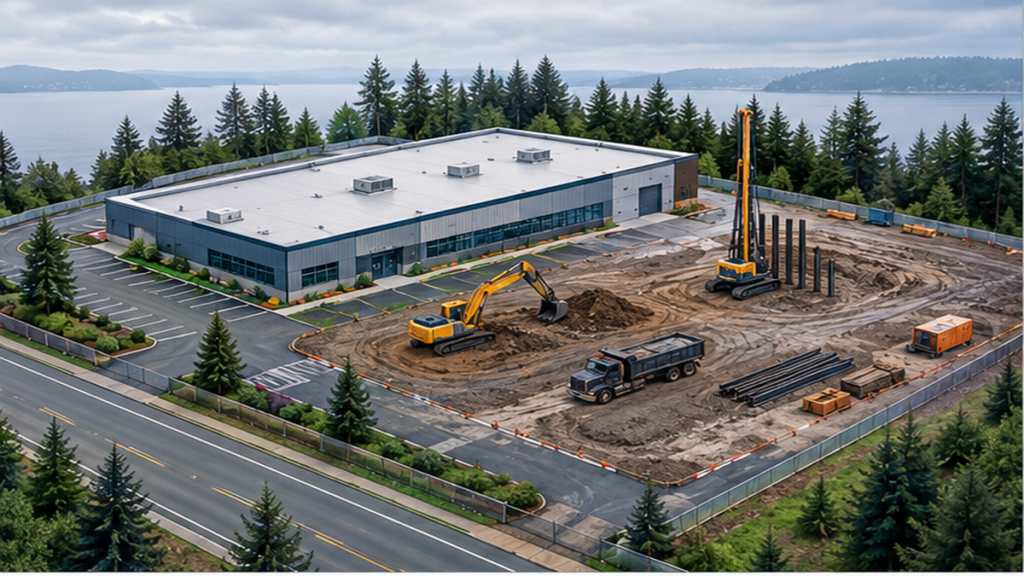
Understanding Drilling and Caging Costs
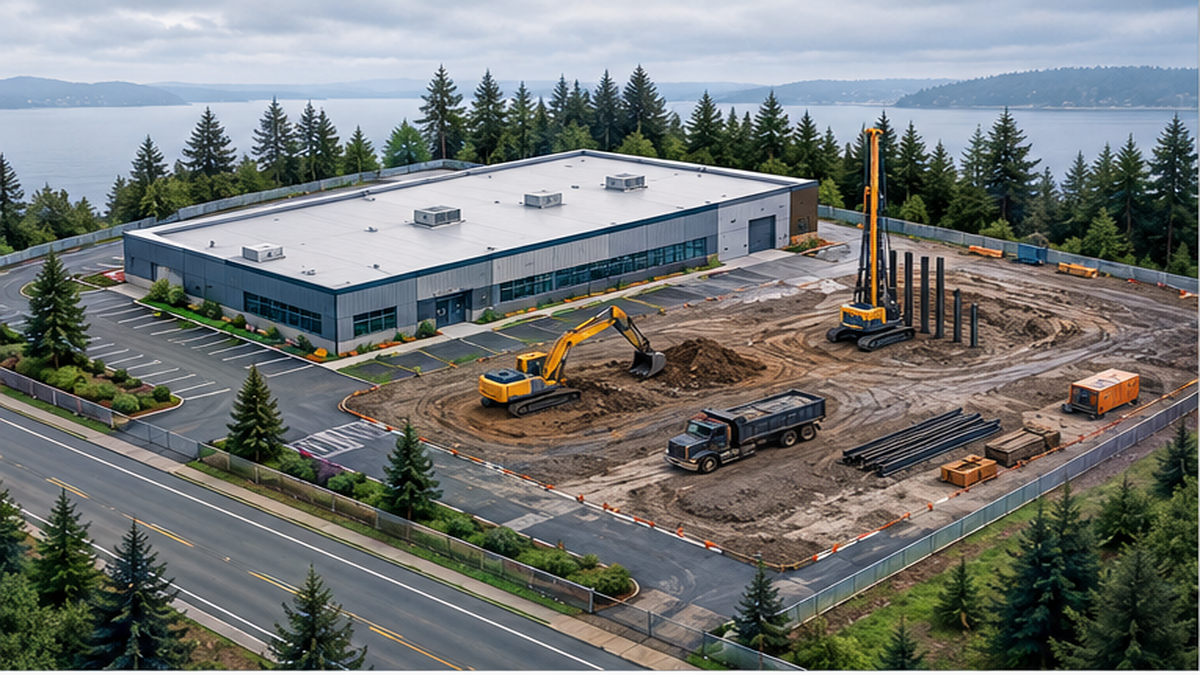
When unstable soils threaten your project timeline, figuring out the foundation needs piles cost per square foot starts with your geotech report, not a blind online calculator. We do not publish flat square-foot rates because every site in Washington and Oregon has different soil realities, access limits, and engineering requirements. A true fixed price requires a review of your stamped drawings and a site assessment.
As a heavy civil installer, we handle the drilling, caging, and soldier pile installation once your structural engineer defines the load ratings. This guide breaks down the variables that drive your quote and explains what documents you need to prepare before requesting an estimate.
Why Installation Quotes Vary Between Sites
Two commercial retaining walls or residential foundation projects with the exact same footprint will quote differently based on what is buried in the dirt. Unstable soils, buried concrete rubble, and tight lot access drastically change the equipment and time required for installation. If your site requires extensive demolition or hazardous material handling before we can even start drilling, the initial earthworks phase will increase the overall project expense.
Weather conditions and schedule pressure before a foundation pour also force changes in crew size and machine allocation. Because we operate as the installer and not the design engineer, our pricing is directly tied to the specifications in your plan set. We review your geotech report to understand these exact site conditions, which is why a site visit is necessary before we commit to a fixed estimate.
Primary Variables That Drive Your Estimate
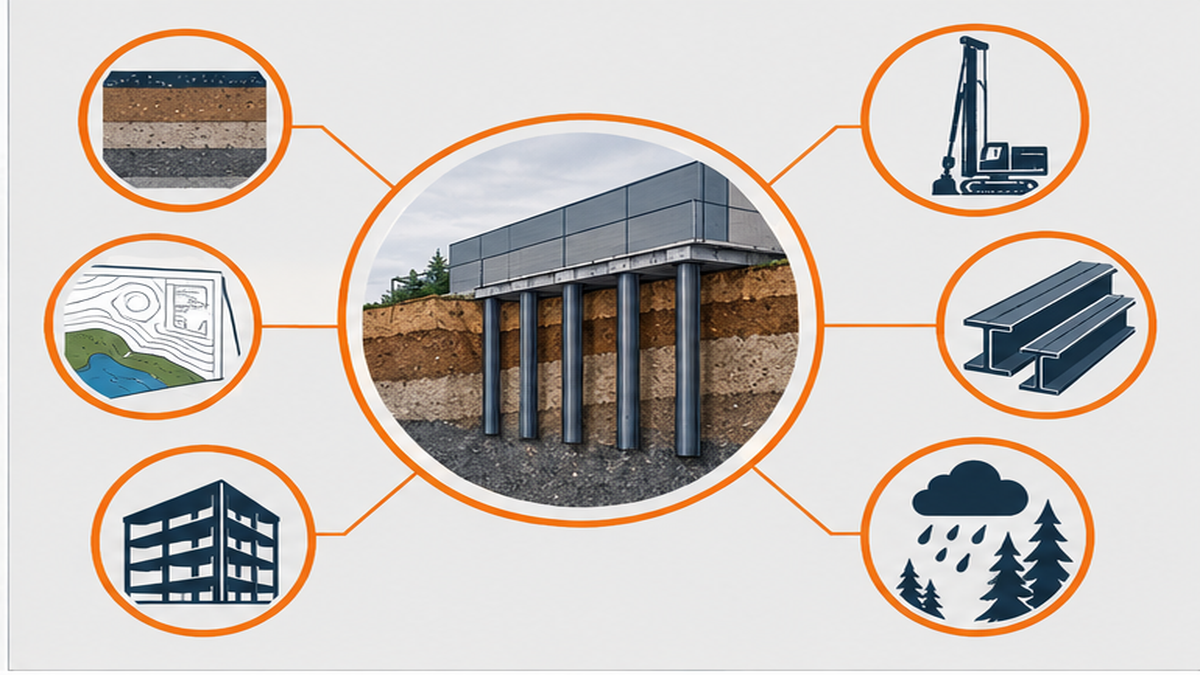
The final number on your estimate depends on several concrete variables defined by your site and structural engineer.
| Cost Factor | How It Affects Your Quote |
|---|---|
| Soil and Material Type | Clean soil is straightforward. Mixed demolition debris or concrete rubble requires specialized handling and higher disposal fees at permitted sites. |
| Volume and Weight | The total yardage of soil removal and the depth of the drilled shafts dictate machine hours and hauling requirements. |
| Site Access | Tight lots limit truck and machine size, often requiring double-handling of materials, which increases labor time. |
| Preparation Readiness | If a site needs active demolition or sorting before we can begin, that prep work adds to the initial phase. |
Reviewing these factors with your plan set allows us to build a transparent quote. We provide complete Borehole Drilling Services tailored to these specific site constraints.
What a Professional Earthworks Quote Covers
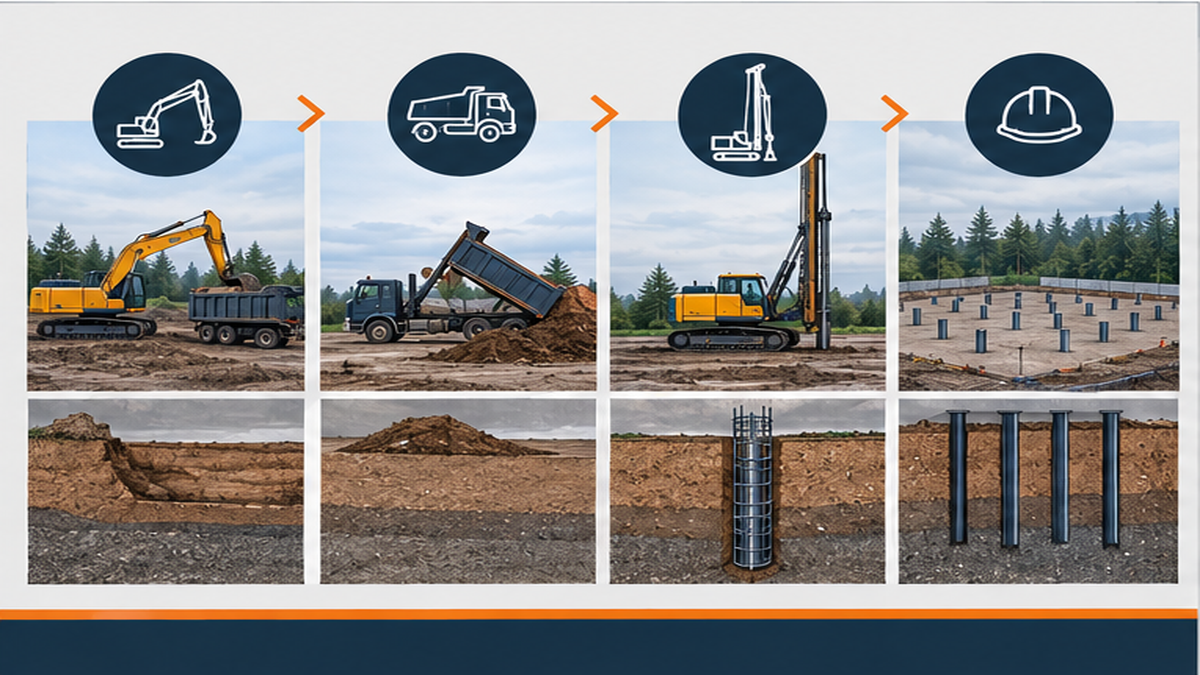
A complete earthworks and drilling package from Ruffhouse Construction LLC covers the physical installation and site management required to get your foundation ready for the next trade. When we provide a fixed estimate for drilled shafts or soldier piles, it includes the mobilization of our heavy equipment to your site. The quote covers the active drilling to the depths specified by your structural engineer, the fabrication and placement of the rebar cages, and the management of the excavated dirt.
Depending on the agreed scope, our package often includes demolition, soil haul-off, and disposal fees at approved facilities. We also handle the necessary quality control and documentation during the installation process to ensure the work aligns with the stamped drawings. We provide a warranty on our completed work. We do not include the structural engineering design, load rating calculations, or plan stamping.
Conditions That Escalate Project Expenses
Hidden site conditions are the primary reason a project escalates in complexity. Discovering buried foundations, massive boulders, or undocumented utilities during excavation forces a halt in drilling and requires immediate mitigation. Unstable soils that cave in during the process might require temporary casing, which adds both equipment time and material handling.
Access constraints also push quotes higher. If your project is on a steep slope or a narrow street where standard heavy machinery cannot operate safely, we have to deploy specialized equipment or smaller machines that take longer to complete the same volume of work. Finally, if the structural engineer revises the plan set mid-project to require deeper piles or thicker rebar, the material and labor scope will expand accordingly.
How to Control Site Preparation Costs
The most effective way to control your site preparation costs is to have complete, stamped engineering drawings and a thorough geotech report before requesting bids. Guesswork leads to inflated estimates to cover unknown risks. When you provide exact soil data and structural requirements upfront, we can price the job accurately without building in massive contingency buffers.
Clearing the site of surface debris and ensuring clear access for heavy machinery before our crews arrive prevents you from paying our operators to do basic prep work. Additionally, working with your engineer to explore practical alternatives—such as benching or rockery walls instead of full soldier pile walls where space permits—can sometimes achieve the required stabilization with less intensive installation methods.
The Hidden Risks of the Lowest Bid
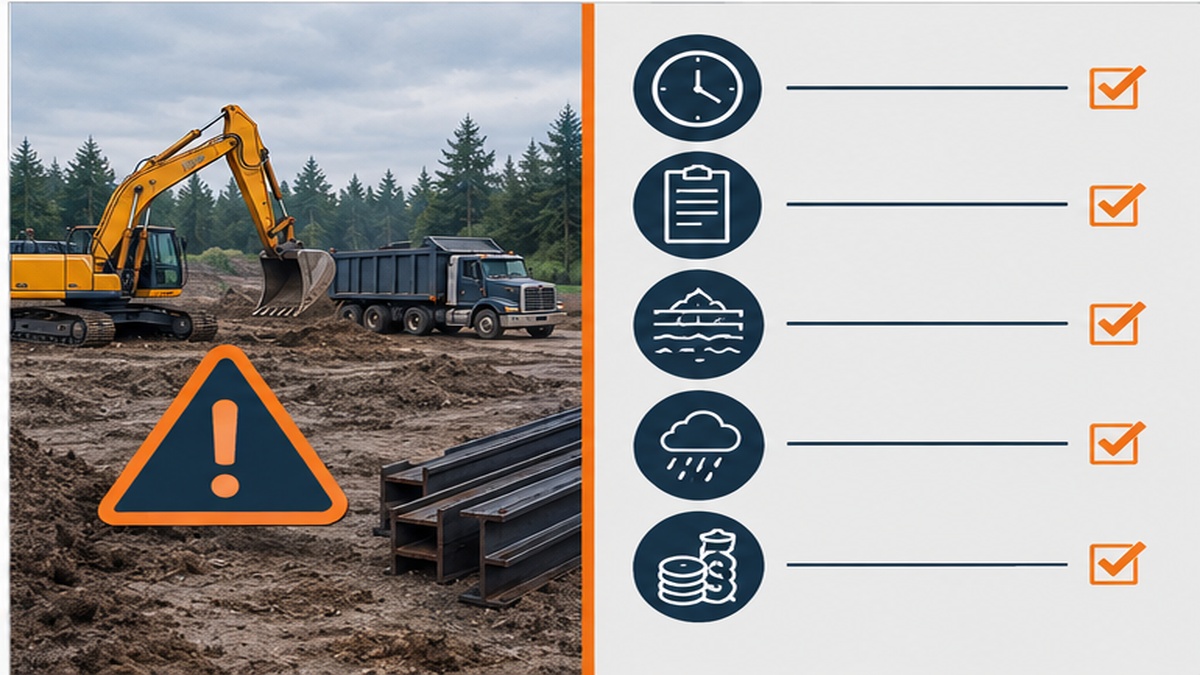
Selecting an excavation contractor based solely on the lowest initial bid often leads to cascading delays and change orders. Cheap bids frequently omit critical line items like contaminated soil disposal fees, proper shoring during excavation, or the cost of hauling away excess dirt. When a contractor underbids the volume of soil removal, you will eventually receive a change order when they hit their limit at the disposal facility.
Low-bid operators might also lack the heavy-duty equipment necessary to handle unexpected buried concrete or severe water management issues, causing your project to stall. In heavy civil work, an excavation delay cascades into foundation and framing delays, disrupting your entire construction schedule. We provide a fixed cost estimate before work begins, ensuring you know exactly what the installation entails.
How to Prepare for a Project-Specific Estimate
Online calculators cannot account for the soil realities of your specific lot. To get an accurate, fixed estimate, you must prepare the right documentation. The process starts when you email us your stamped plan set and the geotech report. We review the access constraints, the soil data, and the engineer's specifications for the drilled piles and rebar cages.
If the project involves complex retaining walls, tight access, or soil unknowns, we will schedule a site visit to assess the logistics firsthand. Once we understand the exact scope, we provide a detailed, fixed written estimate. If you do not have stamped drawings yet, we can recommend a licensed Washington engineering firm. You can review our Drilling & Caging process to see exactly how we execute the work once plans are approved.
Common Questions About Foundation Drilling Costs
How much does a foundation cost for a 2000 sq ft house?
Why is piling so expensive?
How long does Drilling & Caging take?
How do I get an estimate?
Ready for a Fixed Installation Estimate?
Payment Schedules and Project Funding
Heavy civil installations, including soldier pile walls and extensive site excavation, represent a significant phase of your construction budget. Ruffhouse Construction LLC operates with transparent, fixed pricing before work begins, allowing developers and general contractors to allocate funds accurately. We do not offer in-house consumer financing, as our primary clients are GCs, municipalities, and developers managing commercial or large-scale residential budgets.
Payment schedules are tied to project milestones, which we clearly define in the written estimate after reviewing your plan set and geotech report. This ensures that you only pay for completed, documented phases of the earthworks and drilling scope. Learn more about this service by contacting our office with your project details.
How Scheduling Impacts Your Final Quote
Rushing an excavation and drilling phase often increases the overall project expense. When a general contractor needs a site prepped immediately to meet a looming foundation pour, we must deploy additional crews and heavy machinery to compress the schedule. This expedited mobilization directly impacts the labor and logistics line items on your estimate.
Conversely, providing your stamped drawings and geotech report well in advance allows us to sequence the work efficiently. Proper planning ensures we have the right equipment on site without paying premiums for rush rentals or overtime labor. For highly specialized deep foundation requirements, we occasionally coordinate with partners like Akita Drilling to ensure the right rig is on site, keeping your project moving without costly delays.