
Understanding Screw Pile and Deep Foundation Costs
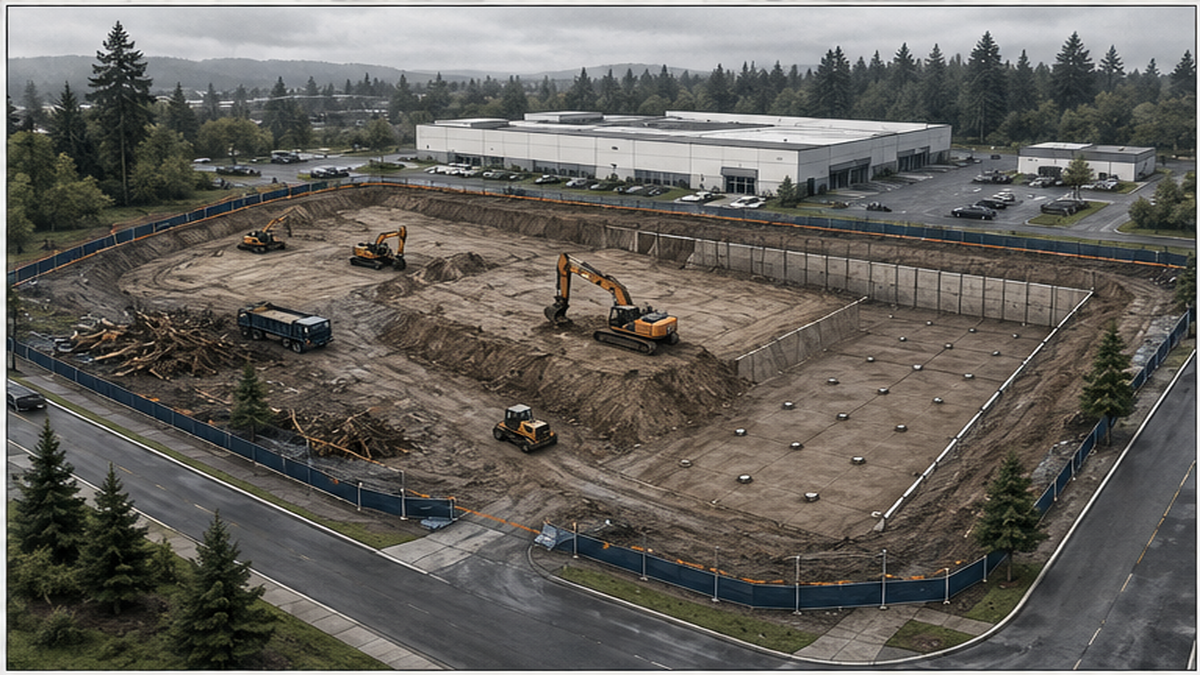
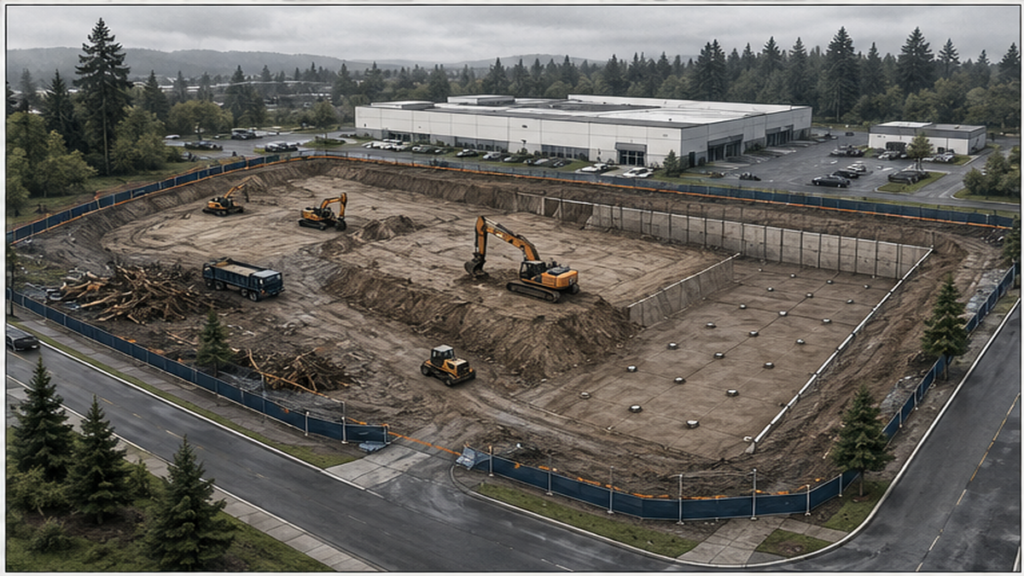
When you are building on unstable Washington soil or dealing with a tight site schedule before a foundation pour, you need to know exactly what it will take to stabilize the ground. There is no flat rate or reliable online calculator for screw piles or helical piles. The final cost depends heavily on the required depth to hit load-bearing soil, the pile diameter specified by your engineer, and the physical access to your site. We do not guess at these numbers. As a heavy civil installer, we base our fixed estimates on your stamped plan set and geotech report. This ensures you get an accurate, transparent price for the exact drilling and caging scope your project requires, without the surprise change orders that come from blind bidding.
Why Two Similar Sites Quote Differently
Two foundation or shoring projects with the exact same square footage can result in completely different pile costs. The primary variable is what your geotech report reveals about the soil conditions beneath the surface. If our crews hit refusal early or need to drill significantly deeper to reach stable, load-bearing ground, the material and labor requirements shift immediately. Site access also plays a massive role in the final number. If we cannot get standard drilling equipment onto a tight Seattle lot, we have to mobilize specialized rigs or double-handle materials, which adds hours to the job. Weather conditions, discovering buried foundations during excavation, and the need to coordinate with other earthworks trades all impact the final estimate. We review these realities upfront so the number we give you is the number you pay.
Core Variables That Drive Your Estimate
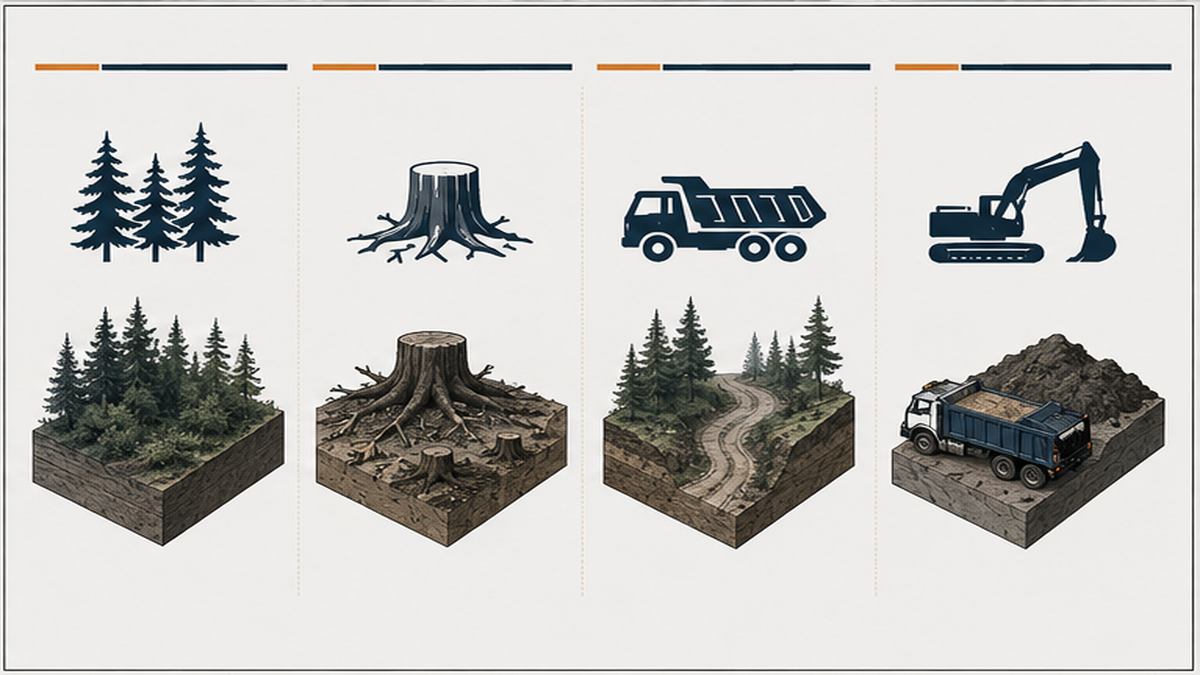
Several specific factors determine the cost of your deep foundation or shoring package. We break these down during our scope review.
| Cost Factor | How It Affects Your Quote | Typical Impact |
|---|---|---|
| Pile Specifications | The diameter, helix size, and required depth dictated by your structural engineer directly dictate the steel material costs. | Higher depths and larger diameters increase material totals. |
| Soil and Substrate Conditions | Clean soil is straightforward. Mixed demolition debris, concrete rubble, or highly unstable soils require more time and sometimes different pile types like Auger Cast Piles. | Obstructions and poor soil significantly increase labor and equipment time. |
| Site Access and Logistics | Tight urban lots or steep slopes restrict the size of the machines we can deploy, forcing slower, more methodical installation. | Restricted access often adds labor days to the schedule. |
| Disposal and Haul-Off | If your project requires significant excavation alongside pile installation, the volume, weight, and contamination level of the soil dictate disposal fees. | Hazardous materials or heavy concrete rubble drive up haul-off costs. |
What a Professional Installation Quote Covers
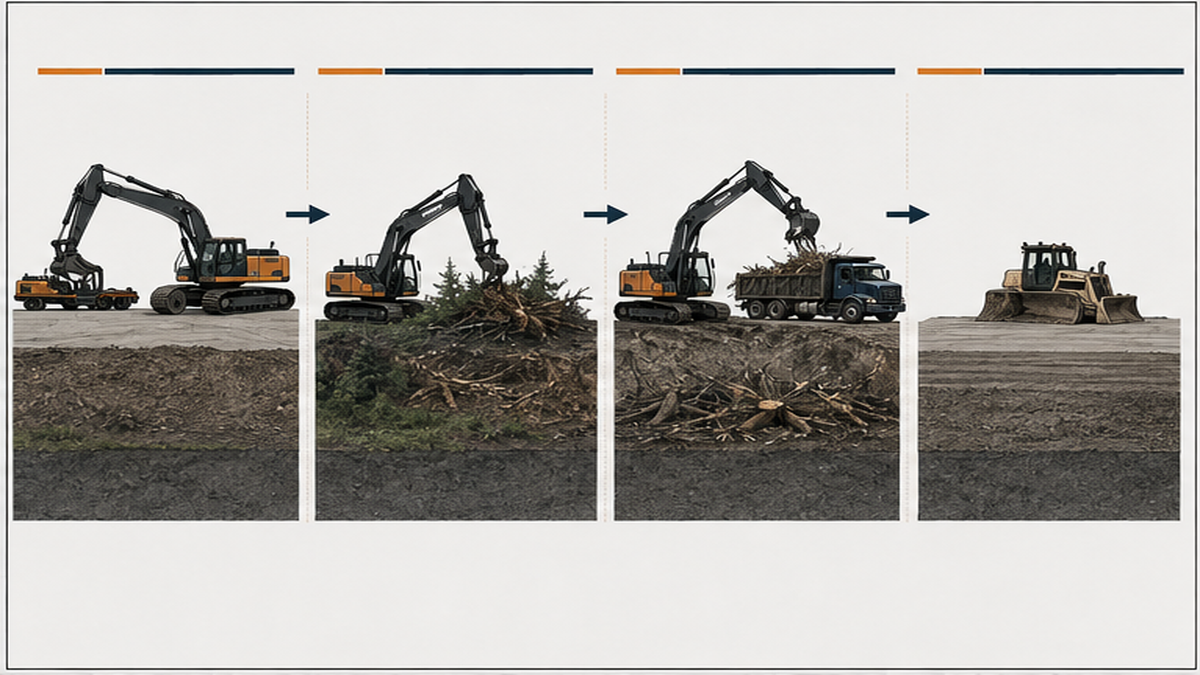
A comprehensive heavy civil estimate covers the full scope of the installation phase. When we bid a project, the quote includes equipment mobilization, the steel piles or caging materials, and the specialized labor required to drive or drill the piles to the engineer's exact specified torque and depth. It also covers cutting the piles to the correct elevation so your concrete contractor can step in without delays. If we are handling the full earthworks package for your site, the estimate will clearly itemize excavation, demolition, and soil haul-off. It is important to note what is not included: we are the installer, not the design engineer. Our quote does not cover structural engineering, load ratings, or design stamps. You must secure those documents before we can provide a firm price.
Conditions That Push Quotes Higher
Certain site realities will inevitably increase the cost of your foundation work. Hitting unexpected buried foundations, old concrete rubble, or heavy debris during drilling slows down the machines and requires active sorting or removal before we can proceed. If the excavation phase uncovers contaminated soil, handling and transporting that material to permitted disposal sites will increase haul-off fees. Tight schedules also drive up costs; if you are facing immense schedule pressure before a foundation pour, we may need to run extra crews or mobilize additional machines to meet the deadline. Additionally, if the site requires extensive temporary measures—such as a Learn more about this service application to stabilize the area before primary drilling—that adds another distinct phase to the project.
How to Control Your Earthworks Budget
The most effective way to control costs on a deep foundation project is to be fully prepared before you request a bid. Having a complete, stamped plan set and a thorough geotech report eliminates the guesswork. When we know exactly what is in the ground, we do not have to price in worst-case scenarios or contingencies for unknown soil conditions. Another major factor in controlling costs is consolidating your trades. Bundling your earthworks—having the same crew handle the site prep, excavation, shoring, and pile installation—reduces overlapping mobilization fees and eliminates the scheduling conflicts that happen when multiple contractors are trying to work on the same tight lot.
The Reality of the Lowest Bid
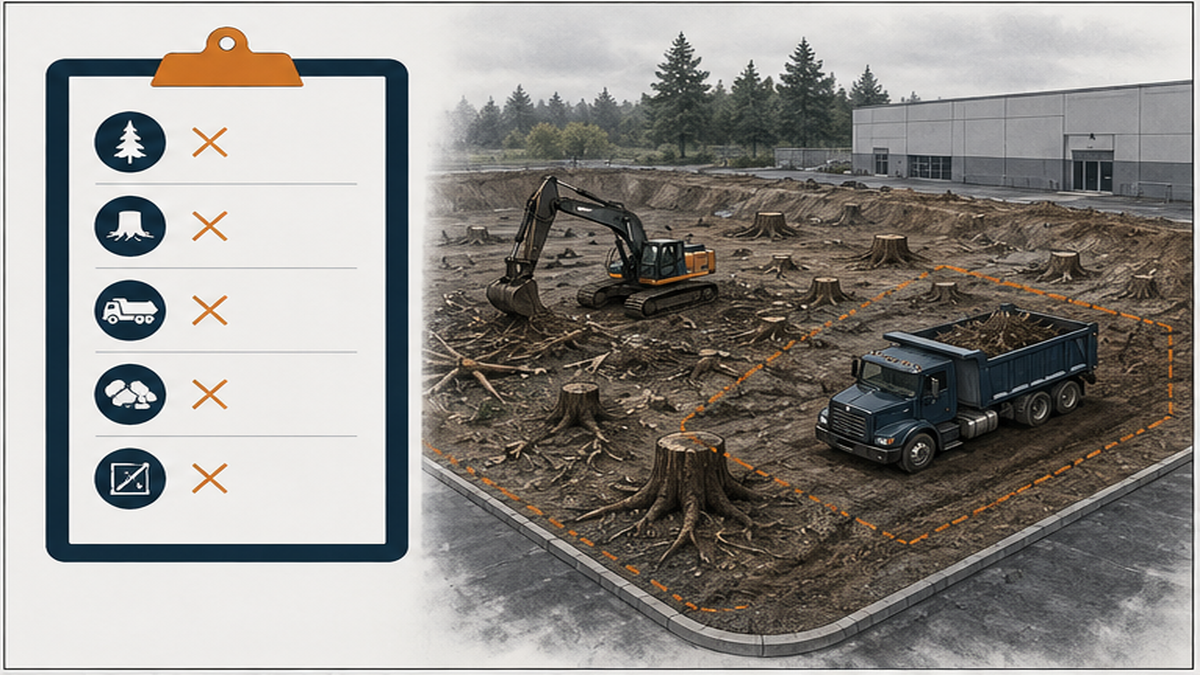
Taking the lowest bid on deep foundations or shoring often leads to expensive change orders once the machines are on site. Cheap quotes usually assume perfect soil conditions and wide-open access. When the crew inevitably hits buried debris or needs to drill deeper to meet the engineer's torque requirements, a low bidder will halt work and issue a change order to cover the difference. They may also exclude the cost of hauling away the displaced soil or fail to coordinate properly with your concrete contractor. These omissions cause delays that cascade into your framing schedule, ultimately costing you more time and money than a realistic, comprehensive estimate would have upfront.
Preparing for a Project-Specific Estimate
You need a custom quote when you are ready to move from concept to actual construction. Because we are the installer and not the design engineer, we require specific documents to build your estimate. To get started, email us your stamped drawings and the geotech report. We will review the exact load requirements, access constraints, and soil realities. If the project is complex, involves a tight urban lot, or has significant soil unknowns, we will schedule a site visit to assess the logistics in person. Once we have all the facts, we provide a transparent, fixed price before any work begins, ensuring you know exactly what the project entails.
Common Questions About Pile Installation
How much does a screw pile cost?
Are screw piles cheaper than concrete piers?
How long do screw piles last?
How do I get an estimate?
Ready to Review Your Plan Set?
Funding Your Earthworks Phase
Heavy civil installations, including shoring and deep foundations, are typically funded through your primary construction loan or commercial project financing. We work directly with developers, general contractors, and municipalities to ensure our billing schedule aligns with your project milestones. Having a clear, fixed estimate upfront means you can submit accurate numbers to your lender or project stakeholders without worrying about hidden excavation fees derailing the budget later in the build.
How Your Schedule Impacts the Quote
Your project timeline directly impacts the final cost of pile installation and site prep. If you are facing a tight schedule before a foundation pour, we may need to mobilize extra machines or run larger crews, which increases labor and equipment costs. Conversely, giving us a flexible window allows for more efficient scheduling and logistics. Delays caused by poor weather or discovering unstable soils mid-project will also shift the timeline. Having all your permits, stamped drawings, and engineering documents ready before we mobilize is the best way to keep the project moving efficiently and on budget.