
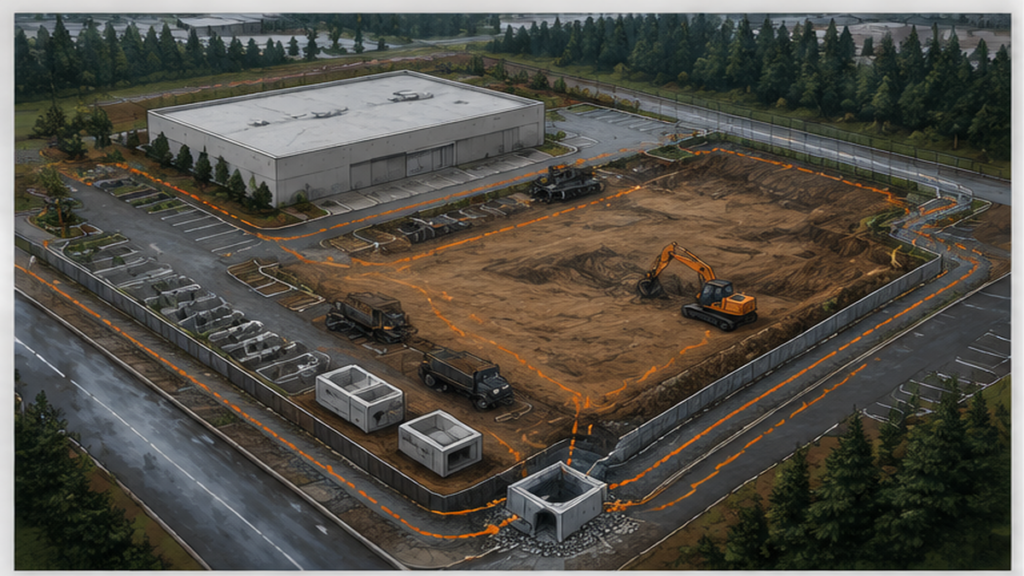
How Much Does It Cost To Install Drainage System Guide
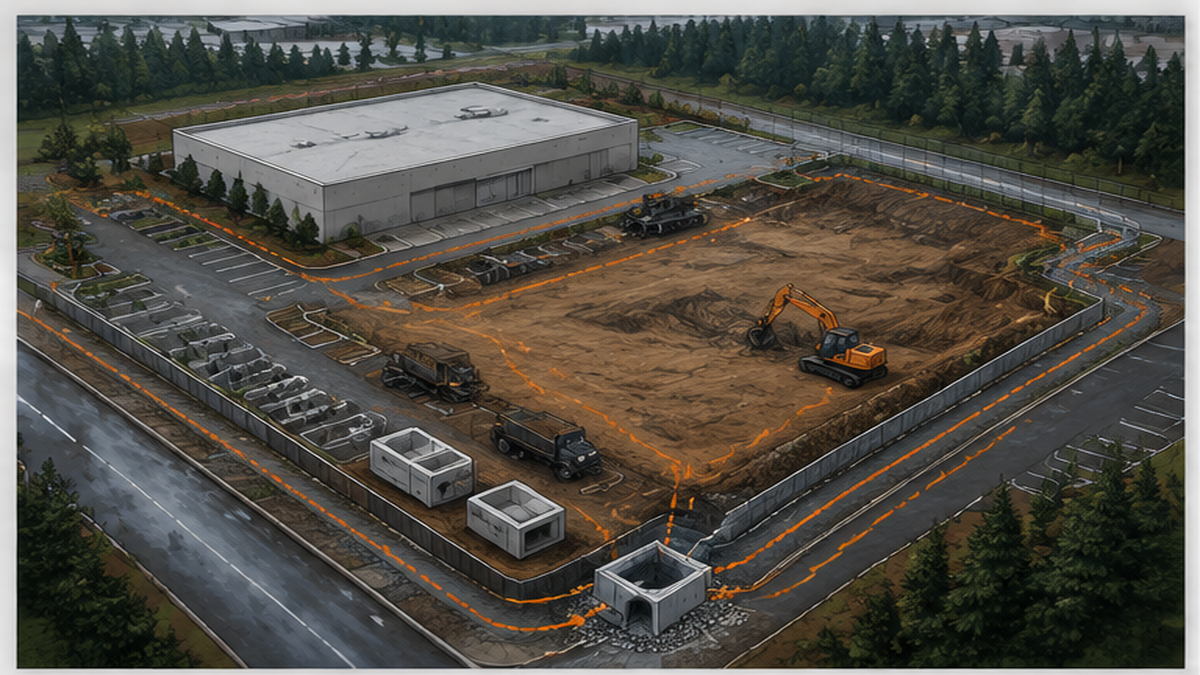
Unstable soils and poor slope water management can stall your foundation pour and cascade into expensive framing delays. If you are wondering how much does it cost to install drainage system, the reality is that there is no single online price or calculator that can give you an accurate number. Your final quote depends entirely on the volume of soil to be moved, site access for heavy machinery, and the specific requirements outlined in your geotech report.
We are a heavy civil earthworks installer serving Washington and Oregon, and we do not guess on pricing. We provide a fixed, transparent estimate only after reviewing your stamped plan set and assessing the physical site. This ensures your site preparation is done correctly the first time, keeping your subsequent trades on schedule.
Why Two Drainage Projects Quote Differently
Two lots in the same neighborhood can yield completely different estimates for earthworks. A standard trench on a flat, open lot requires standard machinery and predictable labor hours. Conversely, a steep slope with limited access requires double-handling of materials and specialized shoring or soldier piles before we can even begin to lay the pipe.
Buried concrete rubble or contaminated soil discovered during the initial dig drastically changes disposal fees and hauling logistics. If you need Utilities & Drainage installed on a tight residential footprint, the equipment must be sized down, which increases the time required to move the same volume of dirt. This is exactly why we rely on stamped drawings and a thorough site visit rather than throwing out a blind number over the phone.
Main Cost Factors for Site Drainage
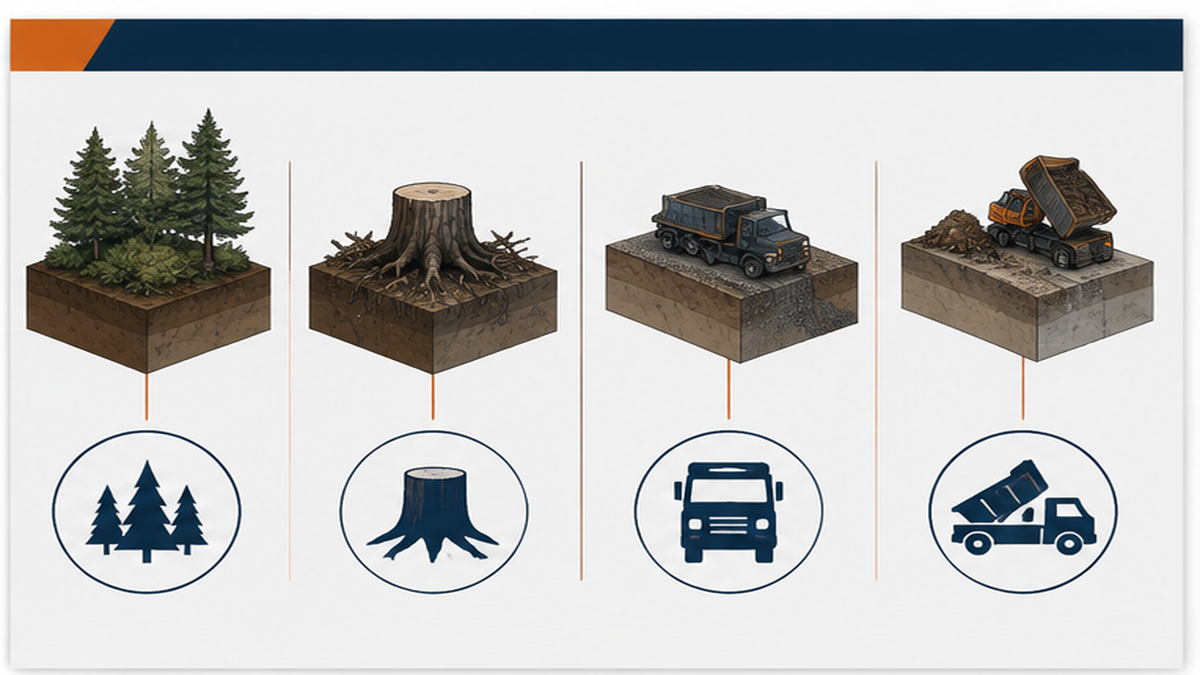
Several concrete variables dictate the final number on your earthworks contract. We review these factors against your engineering documents to build a fixed quote.
| Cost Factor | How It Affects Your Quote | Typical Impact |
|---|---|---|
| Material Type | Clean soil is standard to haul; mixed demolition debris or concrete rubble requires sorting and higher disposal fees. | Moderate to Higher |
| Volume and Weight | Heavier, larger volumes of displaced earth require more dump truck trips to the permitted disposal facility. | Higher |
| Site Access | Tight lots force the use of smaller machines and double-handling of dirt, increasing total labor hours. | Higher |
| Soil Stability | Unstable soils identified in the geotech report require shoring or soldier piles before trenching can safely occur. | Often the largest line item |
The specific requirements of your site dictate the equipment and crew size needed for the job. Municipal guidelines, similar to the City Of Columbus Stormwater Drainage Manual, often dictate strict compliance for runoff and pipe sizing, which directly influences the materials required. We price the job based on what the engineer has stamped, ensuring full compliance with local regulations.
What a Professional Earthworks Quote Includes
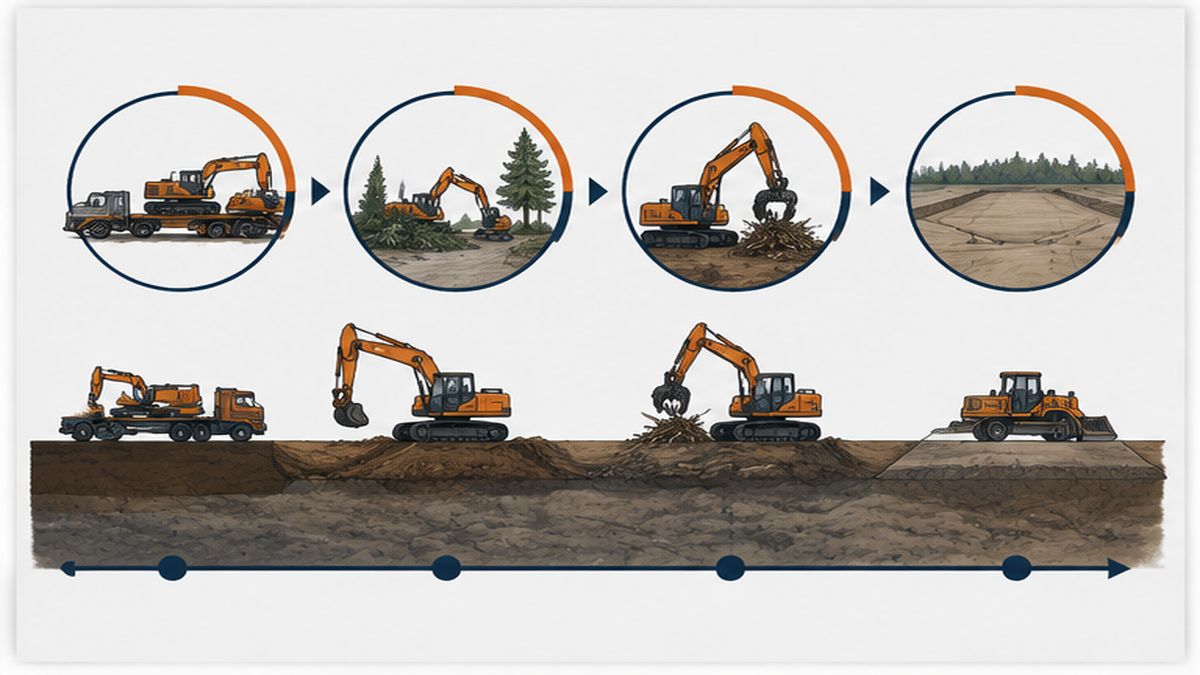
A complete utilities and drainage package covers far more than just dropping pipe into a trench. A professional quote includes full site preparation, excavation to the engineer's specified depth, and the installation of the stormwater or sewer lines. It also covers proper backfilling and compaction testing to ensure the ground is stable for the next phase of construction.
Crucially, a legitimate bid includes the hauling and disposal of displaced soil and demolition debris. We handle the heavy civil dirt work from start to finish, including road restoration if required, so your general contractor and subsequent trades can stay on their critical path without worrying about site conditions.
Variables That Drive Up Excavation Costs
Discovering buried foundations, old concrete slabs, or hazardous materials mid-dig will immediately impact the project budget. These obstacles require active demolition, sorting, and transport to specialized, permitted disposal sites. If the debris is not ready for immediate loading, the extra handling time increases labor costs.
Winter weather in Washington can turn a standard excavation into a severe mud management issue, requiring extra ground stabilization and pumping. Additionally, working around existing infrastructure requires extreme care; Planting Near Underground Utilities or navigating established root systems and old pipes slows down the machinery, adding hours to the excavation phase.
How to Prepare and Control Your Site Prep Budget
The single best way to control your site preparation budget is to have your stamped engineering plans and geotech report completely finished before requesting a bid. We are the installer, not the design engineer. Having your documents ready allows us to price the exact scope without padding the quote for unknowns.
Clear access to the site is another major factor. If you can clear obstacles to allow standard-sized excavators and dump trucks onto the property, we avoid the slow, expensive process of double-handling soil with compact equipment. Finalizing your scope early and providing comprehensive site data prevents mid-project change orders and keeps the schedule intact.
The Danger of Lowball Dirt Work Bids
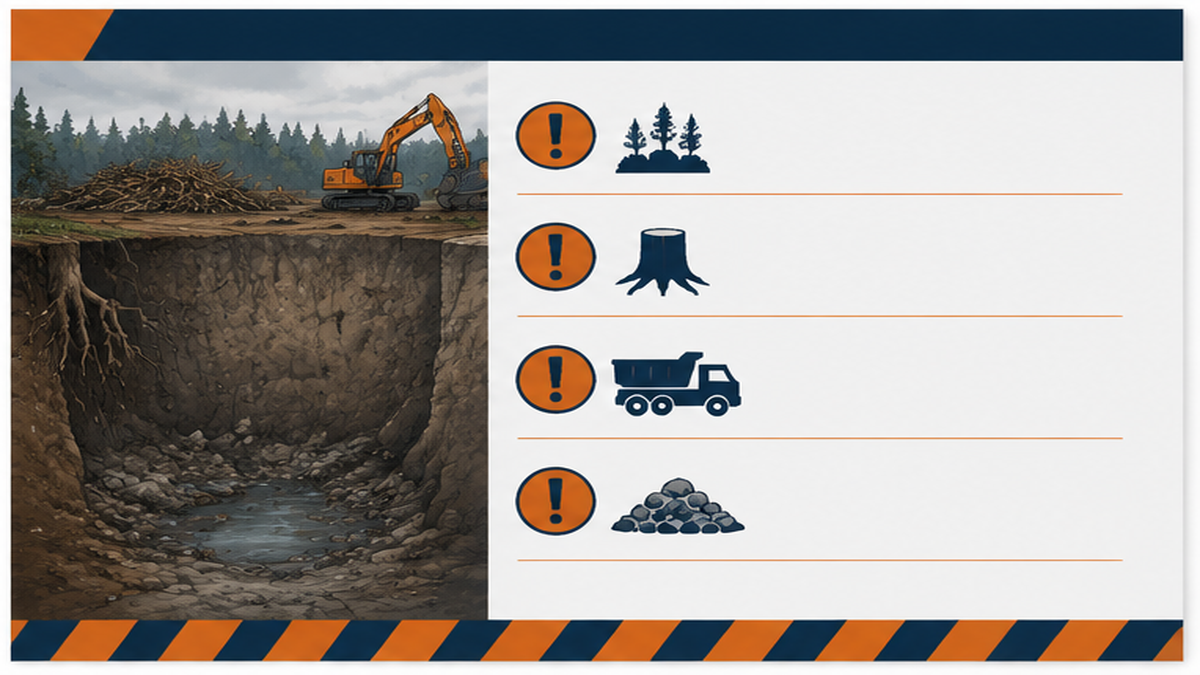
A lowball bid on heavy civil work often leaves out critical, expensive line items like soil haul-off, proper compaction testing, or necessary shoring for trench safety. If a contractor ignores the realities of the geotech report to save time, you risk trench collapse or future settling that compromises the entire new drainage system.
Accepting a cheap estimate that lacks a detailed scope of work usually results in aggressive change orders once the excavator hits the dirt. We price the job based on the engineered plan set and the actual site conditions. This ensures the work passes inspection the first time and provides a stable foundation for the rest of your build.
Steps to Get a Fixed Earthworks Estimate
Because heavy civil work relies heavily on specific site conditions and soil mechanics, a custom quote is always required. To get an accurate number, email us your stamped drawings, complete plan set, and the geotech report. We will review the scope to understand exactly what the engineer requires.
If access constraints or soil unknowns are a concern, we will schedule a site visit to evaluate the logistics in person. Once we have all the facts, we provide a fixed written estimate before any work begins. If you do not have an engineer yet, let us know—we can recommend a licensed Washington firm to get your project started.
Common Questions About Drainage Installation
how much does it cost to install drainage system?
how much is it to install a drainage system?
How long does Utilities & Drainage take?
How do I get an estimate?
Ready for a Fixed Site Prep Quote?
Billing and Payment Structures
Heavy civil and excavation projects require clear payment schedules tied to concrete project milestones. We outline all costs, from initial mobilization and demolition to final backfill and haul-off, directly in your written contract. We work directly with developers, general contractors, and municipalities to ensure billing aligns with your project phases and approved draws, keeping the financial side of your site prep straightforward and documented.
How Schedule Pressure Impacts Your Quote
Tight schedules directly impact your final heavy civil quote. If your foundation pour is looming and you need the site prepped immediately, we may need to deploy additional machines and crews to meet the strict deadline, which increases labor and equipment costs. Weather delays during wet Washington months can also require extra mud management and temporary shoring to keep the site safe. Planning your earthworks well in advance and finalizing your engineering documents early allows for a much more predictable schedule and budget.