
How Much Does Stormwater Drainage Cost?
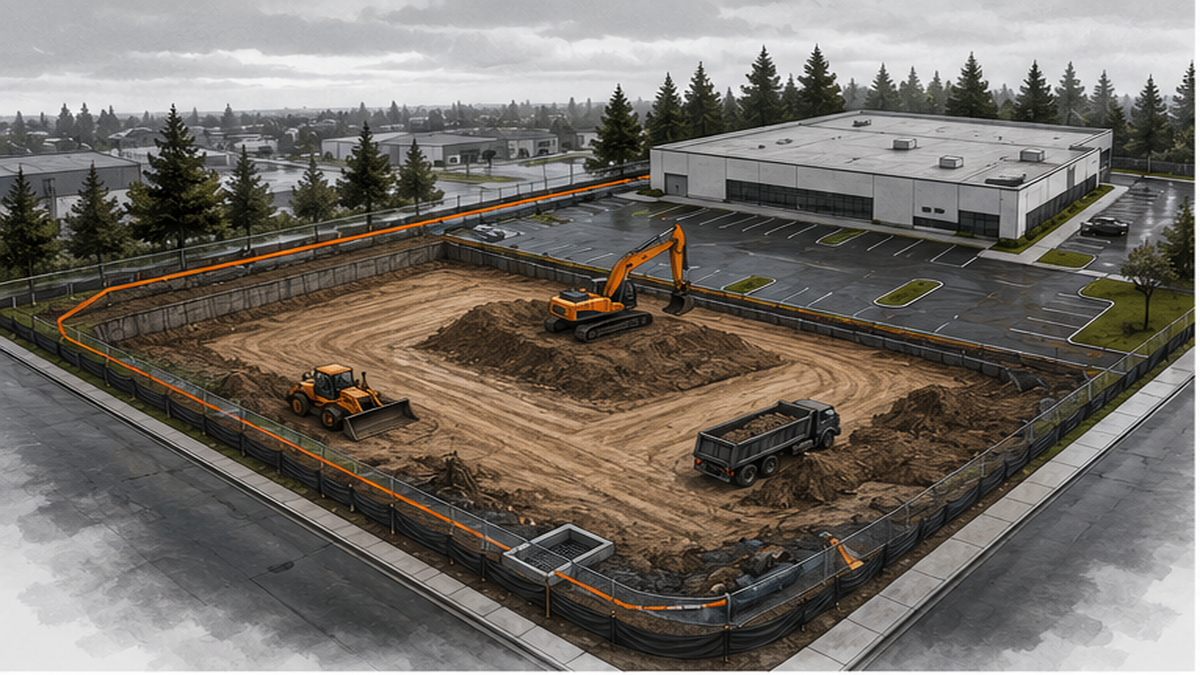
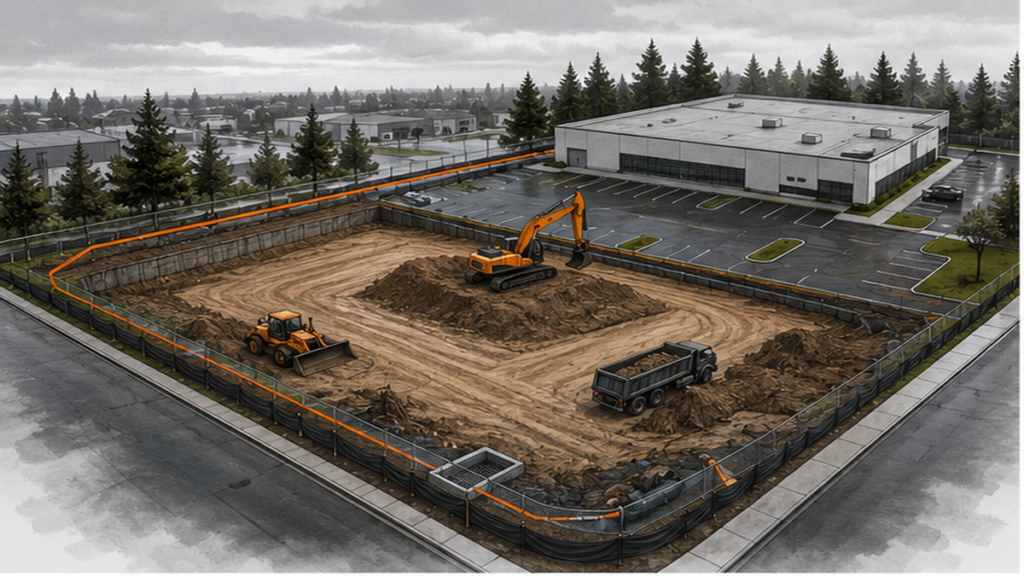
Managing unstable soils and pooling water on a commercial or residential site forces developers to ask how much stormwater drainage costs before the foundation pour gets delayed. There is no single online price for a reliable system in Washington; your final quote depends heavily on material volume, tight lot access, and whether you have stamped engineering plans ready. We are the installer, not the design engineer. We review your plan set and geotech report, assess the site realities, and provide a fixed written estimate before any dirt moves. Getting the water off your site safely requires clear planning, not a generic square-foot guess.
Why Two Drainage Projects Quote Differently
Two sites in Federal Way can require the exact same linear footage of pipe but result in vastly different quotes. The difference comes down to what is buried underground and how hard it is to get heavy equipment into the space. If one lot has clean soil and easy street access, the excavation and installation move quickly. If the other lot reveals buried concrete rubble, unstable soils, or requires double-handling of materials due to tight boundaries, the labor and disposal fees increase.
We base our numbers on the realities of your specific site, not a generic average. This is why a site visit and a review of your geotech report are required before we lock in a number. A site with active water issues or steep slopes may also require temporary shoring or benching to keep the trench safe during installation, which shifts the final cost.
Main Cost Factors for Site Drainage

To give you a clear picture of where your budget goes, we break down the major variables that drive the final number. While municipal guidelines like the City Of Columbus Stormwater Drainage Manual offer baseline engineering standards, local Washington codes dictate our specific installation requirements.
| Cost Factor | How It Affects Your Quote |
|---|---|
| Material Type and Disposal | Clean soil is cheaper to haul off than mixed demolition debris or concrete rubble. |
| Volume and Weight | Disposal facilities charge by weight and volume; larger excavations mean higher haul-off fees. |
| Site Access | Tight lots that require smaller machines or double-handling of materials add labor hours. |
| Site Readiness | If we have to actively sort debris or demolish old structures before trenching, the timeline extends. |
| Soil Stability | Unstable soils discovered during digging require extra shoring or benching to keep the trench safe. |
What a Professional Quote Includes
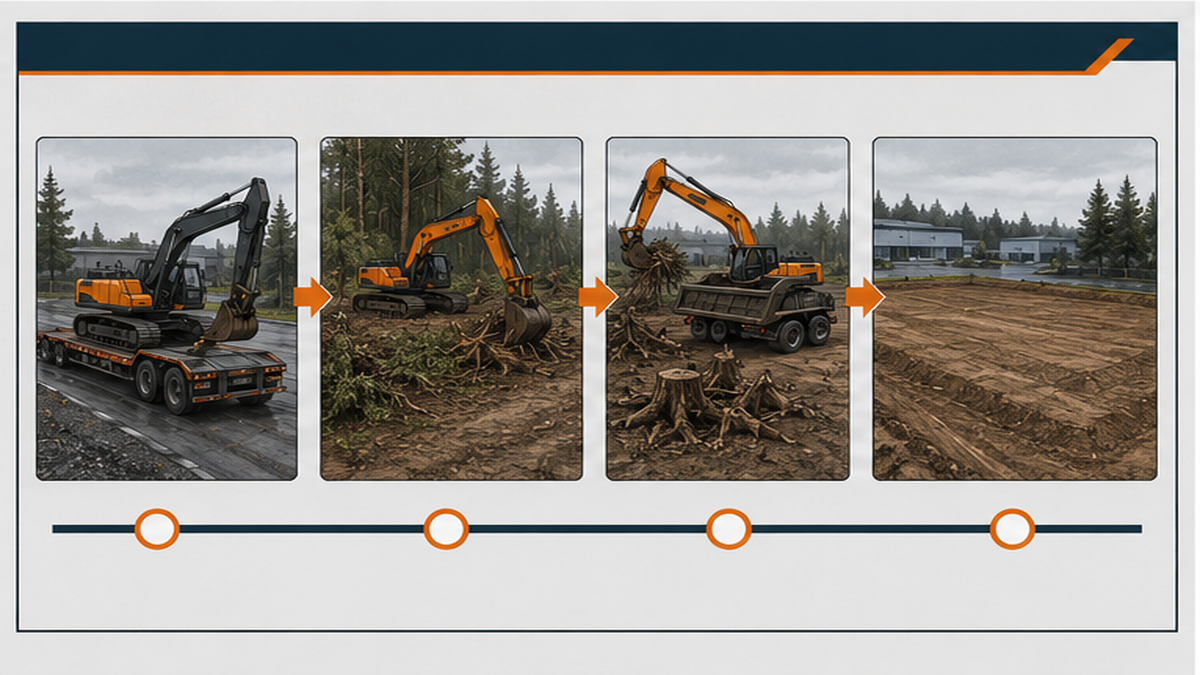
A complete quote for Stormwater Drainage covers the full earthworks scope required to get the water off your site safely. When we bid a project, the estimate typically includes the initial excavation and trenching, the installation of catch basins and underground utilities, and the proper backfill and compaction of the soil.
It also covers the logistics of loading and hauling away the displaced dirt or demolition debris to permitted disposal sites. You receive a transparent, fixed price for this entire package before work begins, ensuring your site prep aligns with your overall construction schedule. We do not leave you guessing about disposal fees or equipment mobilization charges.
What Pushes Drainage Quotes Higher
Several site-specific conditions can push a drainage quote higher. Hazardous or contaminated materials require specialized handling and specific permitted disposal sites, which carry higher fees. Weather plays a massive role in the Pacific Northwest; heavy rain creates muddy, unstable soils that slow down heavy machinery and require additional water management during the dig.
Schedule pressure is another major factor. If you need the site cleared and drained immediately before a scheduled foundation pour, we may need to deploy extra crews or larger machines to hit the deadline, which increases the labor cost. Finally, discovering undocumented buried foundations or old utility lines during excavation will require a pause and a scope adjustment.
How to Control Your Earthworks Budget
The best way to control your site preparation budget is to come prepared with approved documents. Having a stamped plan set and a completed geotech report allows us to bid the job accurately without building in contingencies for unknown soil conditions. You can also control costs by ensuring the site is clear of surface debris and equipment before our machines arrive, reducing the time we spend on site readiness.
If you are already hiring us for soldier piles or retaining walls, bundling the drainage and utility trenching into the same mobilization often creates efficiency. Clear communication about access routes for our dump trucks also prevents delays and double-handling of excavated dirt.
The Risks of the Lowest Bid
Accepting the most budget-friendly bid for underground utilities often leads to cascading delays that impact your foundation and framing crews. Low estimates frequently omit the cost of soil haul-off, leaving you with unexpected disposal fees once the dirt is out of the ground. They may also skip crucial steps like proper trench compaction, which causes the ground to settle later and damages the newly installed pipes.
A low-bid contractor might proceed without reviewing the geotech report, risking trench collapse in unstable soils. We provide a fixed estimate based on engineering realities so you know exactly what the job takes to pass inspection the first time. Skipping steps in the dirt work phase always costs more to fix after the concrete is poured.
Preparing for a Project-Specific Estimate
Online calculators cannot see the soil conditions under your lot. You need a custom quote when you are coordinating multiple earthworks trades and cannot afford a delay before the foundation pour. Before you contact us, gather your stamped drawings, permit status, and the geotech report. Take photos of the site access points so we can evaluate equipment logistics.
Our process is straightforward: email us the plan set and geotech report so we can review the scope. If the access is tight or the soil conditions are complex, we will schedule a site visit. Once we understand the engineering requirements, we deliver a detailed, fixed estimate. If you need Sewer Line Installation Near Me, the preparation steps are identical. We are the installer, not the design engineer, so having your paperwork ready is the first step to getting a firm number.
Common Questions About Drainage Costs
How much does it cost to install a drainage system?
Why am I being charged a stormwater fee?
How long does Utilities & Drainage take?
How do I get an estimate?
Ready for a Fixed Earthworks Quote?
Commercial Billing and Payment Terms
Heavy civil and commercial site preparation projects require clear payment schedules tied to project milestones. We outline all payment terms, mobilization deposits, and progress billing phases in your written contract before the equipment arrives in Federal Way. Because we work heavily with developers and general contractors, our invoicing aligns with standard commercial construction draws.
We do not offer in-house consumer financing, but we ensure our fixed pricing gives your lending institution the exact numbers they need to approve your construction loan disbursements. Having a firm, documented estimate from an experienced installer keeps your project funding on track.
How Schedule Pressure Affects Your Quote
Tight schedules directly impact the cost of your site preparation. If a project requires aggressive timelines to beat a foundation pour deadline, we must deploy larger machines, additional operators, or coordinate multiple trucking routes for faster soil haul-off. Rushing a dig in the Pacific Northwest also means battling wet weather, which requires extra water management and shoring to keep the site safe.
When you provide your ideal schedule alongside your plan set, we build those logistical realities into the quote. Planning ahead and allowing a standard window for excavation and utility installation is the most effective way to keep your earthworks budget in check.