
Utility Pole Cost Installation Guide
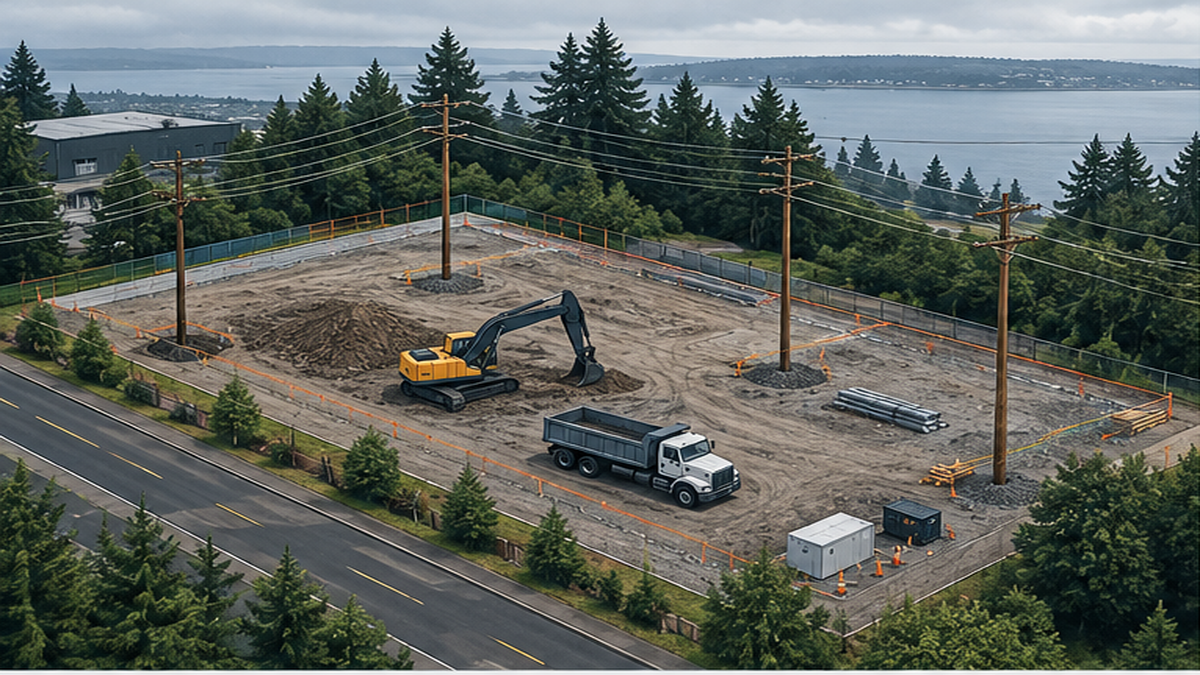
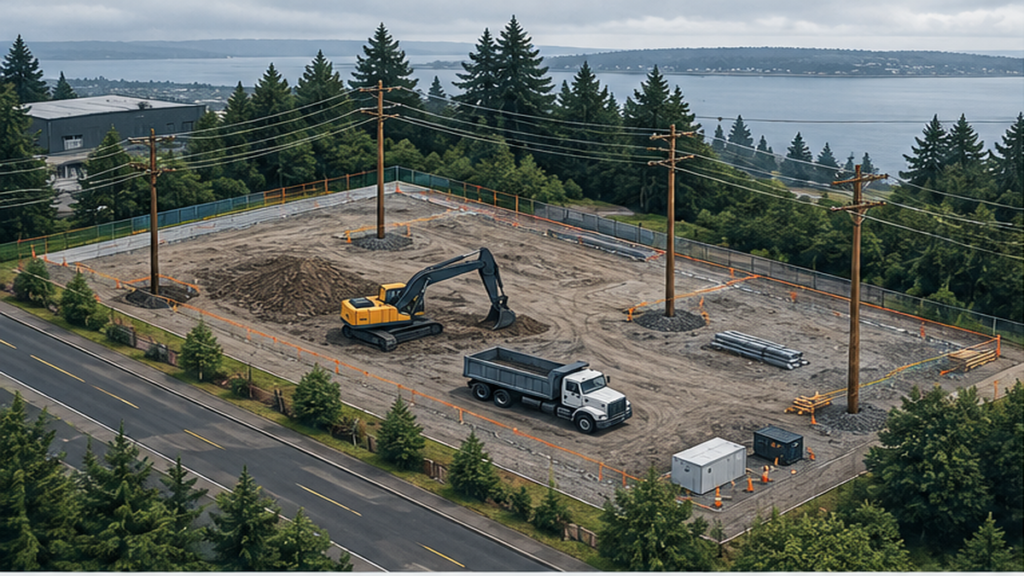
Developers and general contractors coordinating utility pole cost installation face tight schedules before foundation pours and the reality of unstable soils. There is no single online price for heavy civil utility installation because quotes depend entirely on site access, soil conditions, and the exact scope of underground utilities needed. We do not publish blind online numbers. Instead, a firm quote requires a review of your plan set and geotech report to assess material types, disposal volume, and access constraints. Once we evaluate the engineering documents, we provide a transparent, fixed estimate before any heavy equipment arrives on site.
Why Utility Installation Quotes Vary
Two utility installations on the same block in Washington can result in completely different estimates. The variation comes down to what is hidden underground and how easily our heavy equipment can reach the work area. If one site has clean soil and wide access, the dirt work moves quickly. If another site reveals buried foundations, requires hazardous material handling, or forces double-handling of materials on a tight lot, the labor and disposal requirements increase. Weather and unstable soils discovered during excavation also shift the required approach. We base our numbers on the physical realities of your site, which is why we require stamped drawings and a geotech report before providing a fixed estimate.
Core Variables That Drive Your Estimate
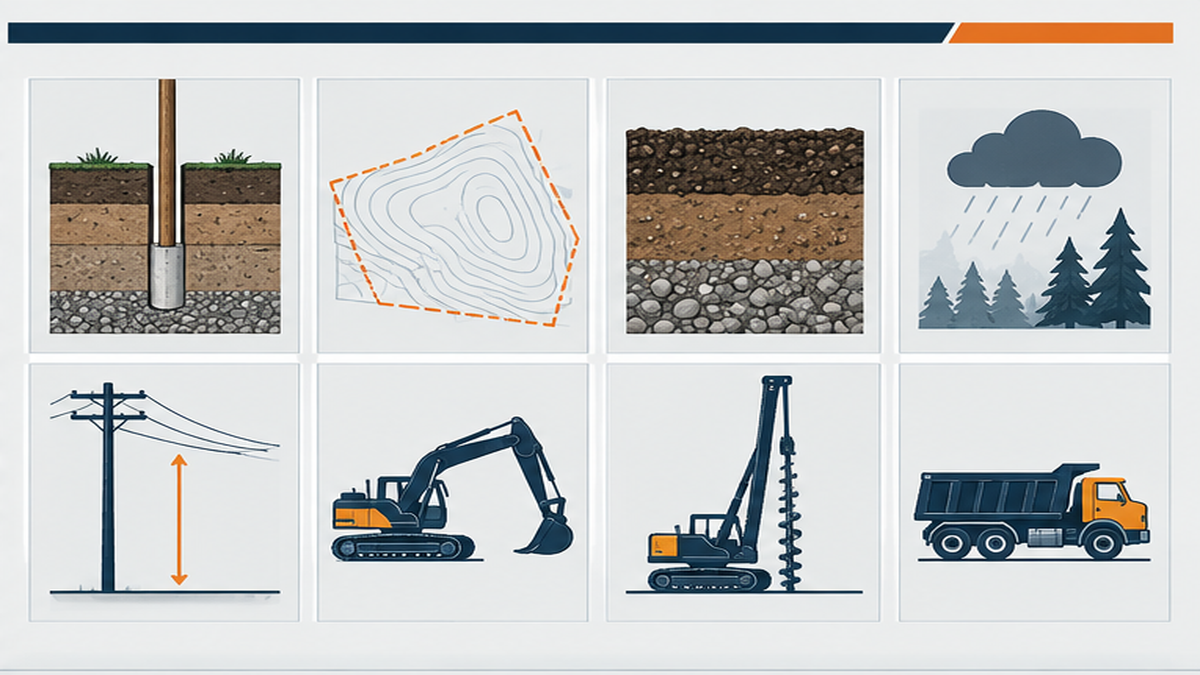
The final number on your estimate is driven by several physical site constraints. We evaluate these core variables when reviewing your plan set:
| Cost factor | How it affects your quote |
|---|---|
| Material type | Clean soil is straightforward to move, while mixed demolition debris or concrete rubble increases disposal fees. |
| Volume and weight | The total tonnage hauled to permitted disposal facilities dictates our trucking requirements and routing. |
| Site access | Tight urban lots that require smaller machines or double-handling of materials will add labor hours to the project. |
| Hazardous materials | Contaminated soil requires specialized handling, halting standard haul-off and necessitating specific disposal sites. |
| Schedule pressure | Accelerating the earthworks before a foundation pour often requires dispatching extra crews or machines. |
What a Professional Earthworks Quote Covers
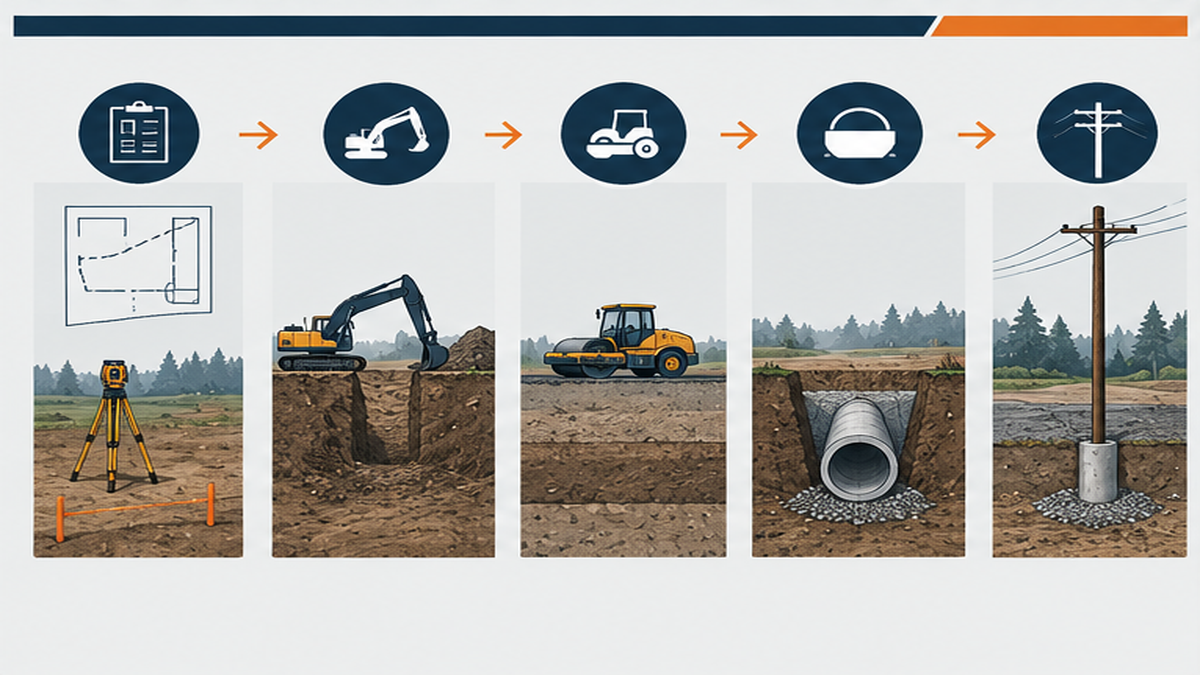
A complete earthworks and site preparation package covers more than just digging a trench. When Ruffhouse Construction LLC submits a fixed estimate for developers or municipalities, it includes the full scope of excavation, site prep, and soil haul-off. We account for the heavy machinery required, the labor to safely manage the site, and the logistics of moving materials to permitted disposal facilities. If the project involves our Utilities & Drainage crews, the quote covers the necessary trenching, bedding, and backfill to meet local codes. The estimate also factors in road restoration and final grading to leave the site ready for the next phase of construction.
Site Conditions That Increase Project Scope
Hidden site conditions are the primary driver of increased utility installation costs. If our crews encounter buried concrete foundations, abandoned underground utilities, or severe soil instability that was not detailed in the initial geotech report, the scope of excavation and demolition expands. Tight lots in cities like Seattle or Bellevue often restrict machine size. When we cannot fit standard heavy equipment on site, we have to rely on smaller machines and double-handle the soil, which extends the timeline. Additionally, discovering contaminated soil requires halting standard haul-off to coordinate hazardous material transport. Finally, extreme weather that degrades site access or requires emergency shoring will also impact the final requirements.
How to Control Heavy Civil Costs
The most effective way to control costs on a heavy civil project is thorough upfront engineering and site assessment. Providing a comprehensive plan set and an accurate geotech report allows us to plan the exact machinery and crew size needed, preventing mid-project surprises. If you are managing a large site, ensuring clear, unobstructed access for heavy trucks and excavators reduces the time spent maneuvering and double-handling materials. For projects involving extensive demolition and soil removal, separating clean soil from mixed demolition debris before haul-off can lower disposal fees at the facility. Finally, allowing a flexible schedule rather than demanding accelerated earthworks right before a foundation pour eliminates the need for overtime.
The Reality of Cut-Rate Earthworks Bids
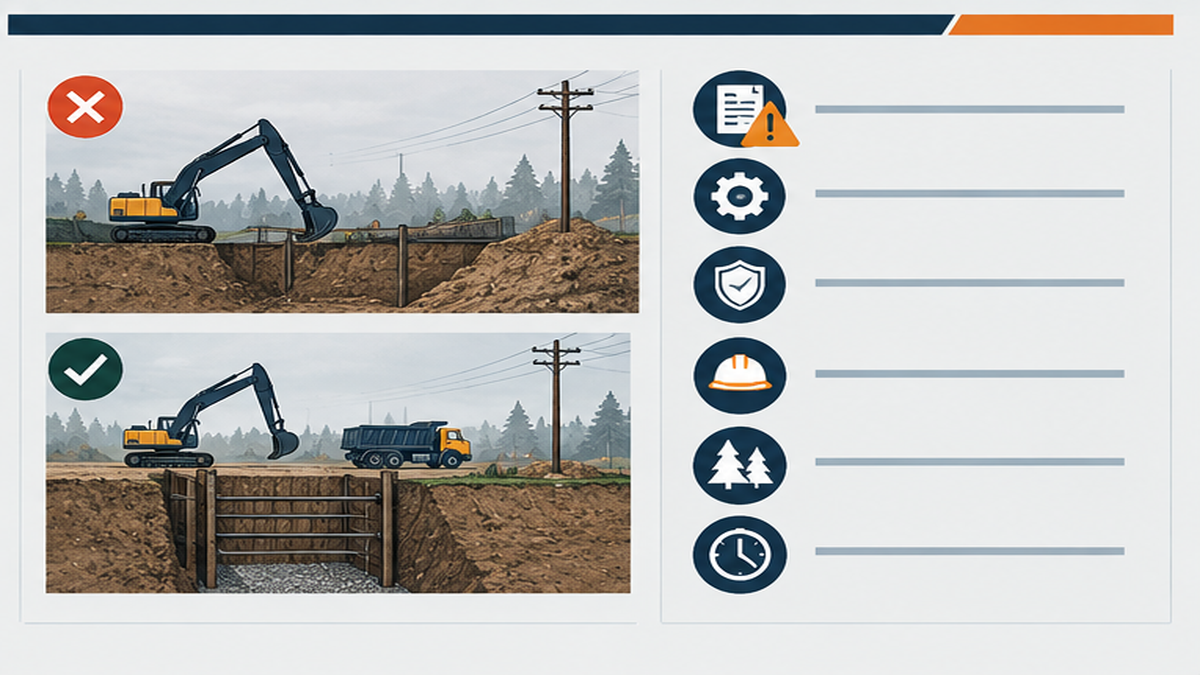
Accepting the lowest bid for utility and drainage systems often leads to expensive change orders once the ground is open. Cut-rate contractors frequently exclude the true cost of soil haul-off and disposal fees, leaving the developer responsible for moving mixed demolition debris later. They may also skip necessary ground stabilization or ignore the realities of the geotech report, leading to trench collapses or failed inspections. A cheap bid might assume ideal soil conditions and wide-open access. When they inevitably hit buried rubble or unstable soils, they stop work and demand more money. We provide contracted timelines and transparent fixed pricing before work begins, ensuring the scope review covers the actual site conditions.
How to Prepare for Your Estimate
Because every site has unique soil and access constraints, a custom quote is mandatory. We do not guess at numbers over the phone. To get an accurate, fixed estimate, you must prepare specific project details.
What to prepare before contacting us:
- Plan set: Email your stamped engineering drawings so we understand the exact layout.
- Geotech report: We need the soil data to determine excavation and shoring requirements.
- Site photos: Show us the access points, tight corners, and any existing structures.
- Permit status: Let us know where you are in the municipal approval process.
Once you email the drawings and geotech report, we review the scope. If access or soil unknowns are a concern, we will schedule an on-site engineer assessment. We are the installer, not the design engineer—if you do not have stamped drawings yet, start there, and we can recommend a Washington firm.
Common Questions About Utility Installation
how much does it cost to install utilities on a property?
How much is a 20 foot pole?
How long does Utilities & Drainage take?
How do I get an estimate?
Schedule a Site Assessment
Payment Milestones and Fixed Pricing
Large-scale earthworks, shoring, and utility installations are significant capital investments for developers and general contractors. We operate with transparent fixed pricing, meaning the number on your detailed written estimate is the number you pay for the agreed-upon scope. We do not offer in-house consumer financing, as our primary clients are municipalities, industrial facilities, and private developers who typically secure commercial construction loans or project-specific funding. Payment schedules are tied to clear project milestones, such as the completion of demolition, the installation of stormwater drainage, and final road restoration. This ensures that your capital is deployed efficiently as the heavy civil work progresses. For reference on municipal standards that dictate these milestones, you can review documents like the City Of Columbus Stormwater Drainage Manual.
How Your Schedule Impacts the Final Number
The project schedule directly impacts the final cost of excavation and site preparation. When developers face tight schedules before a foundation pour, accelerating the earthworks often requires dispatching additional crews and larger fleets of heavy machinery. This increased daily resource allocation raises the overall labor and equipment costs. Conversely, a flexible timeline allows us to sequence the demolition, soil removal, and utility trenching more efficiently. Weather also plays a critical role in this interaction. Attempting to push through heavy Washington rains can turn a standard excavation into a complex mud-management operation, requiring additional ground stabilization and slowing down the haul-off process. For landscaping considerations that follow the earthworks phase, refer to our guide on Planting Near Underground Utilities. By planning the heavy civil work with realistic, contracted timelines, we help you avoid the premium costs associated with rushed, weather-delayed, or poorly sequenced site prep.