
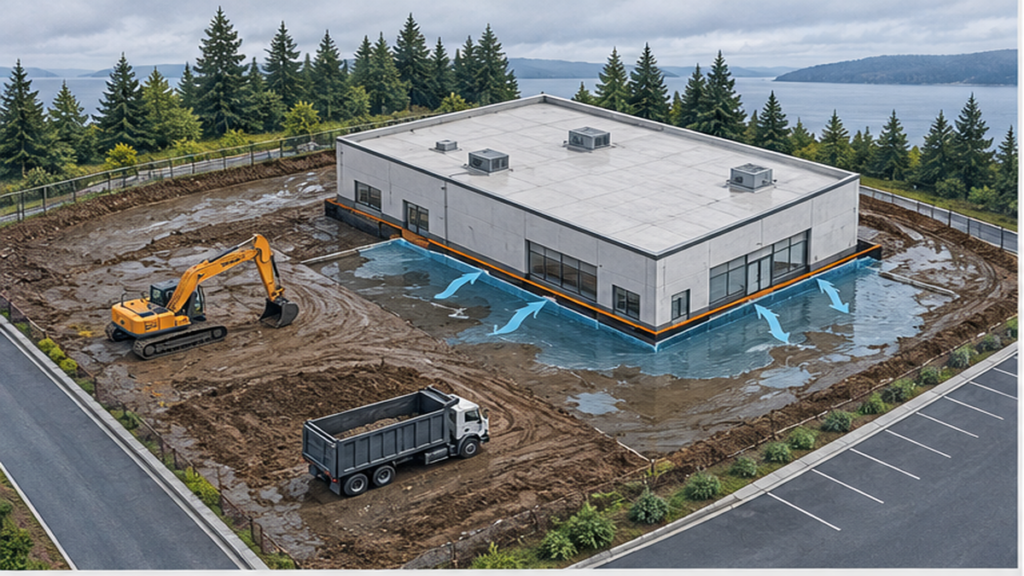
Water Pooling Near Foundation Cost Washington State Guide
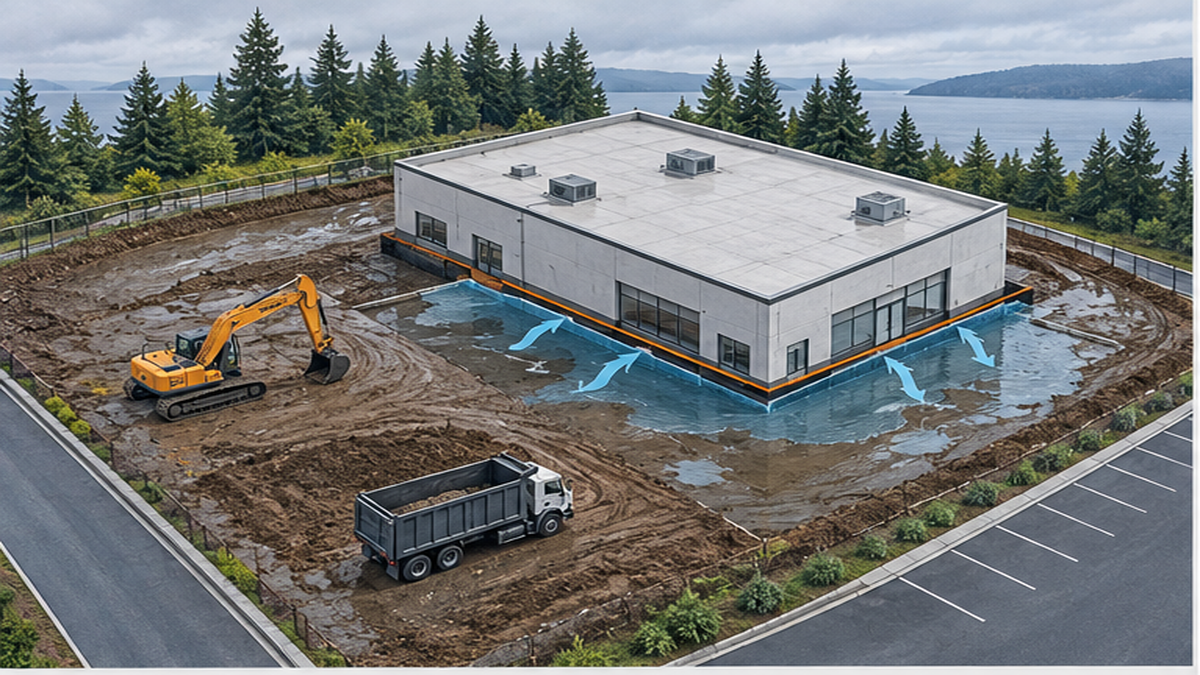
Unstable soils and water pooling near your foundation threaten the structural integrity of your building and delay foundation pours. Fixing this requires proper site grading and stormwater management. There is no single online price for this work. The final quote depends on soil volume, site access, and whether you need deep excavation or retaining structures. We review your plan set and geotech report, assess the site, and provide a fixed estimate before work begins.
Why Drainage and Excavation Quotes Vary
Two sites with similar drainage issues often receive completely different quotes. The variation comes down to what is buried beneath the surface and how hard it is to move equipment around the property. If your site has clean soil and wide access for heavy machinery, the work moves quickly. If we encounter buried foundations, concrete rubble, or unstable soils that require shoring, the labor and disposal requirements increase. Weather also plays a major role in Washington State. Heavy rain creates mud, which slows down excavation and requires additional surface protection or soil haul-off. Because these variables change on every job, a flat rate does not work. We evaluate the specific realities of your site to determine the exact scope required.
Main Cost Factors for Site Preparation
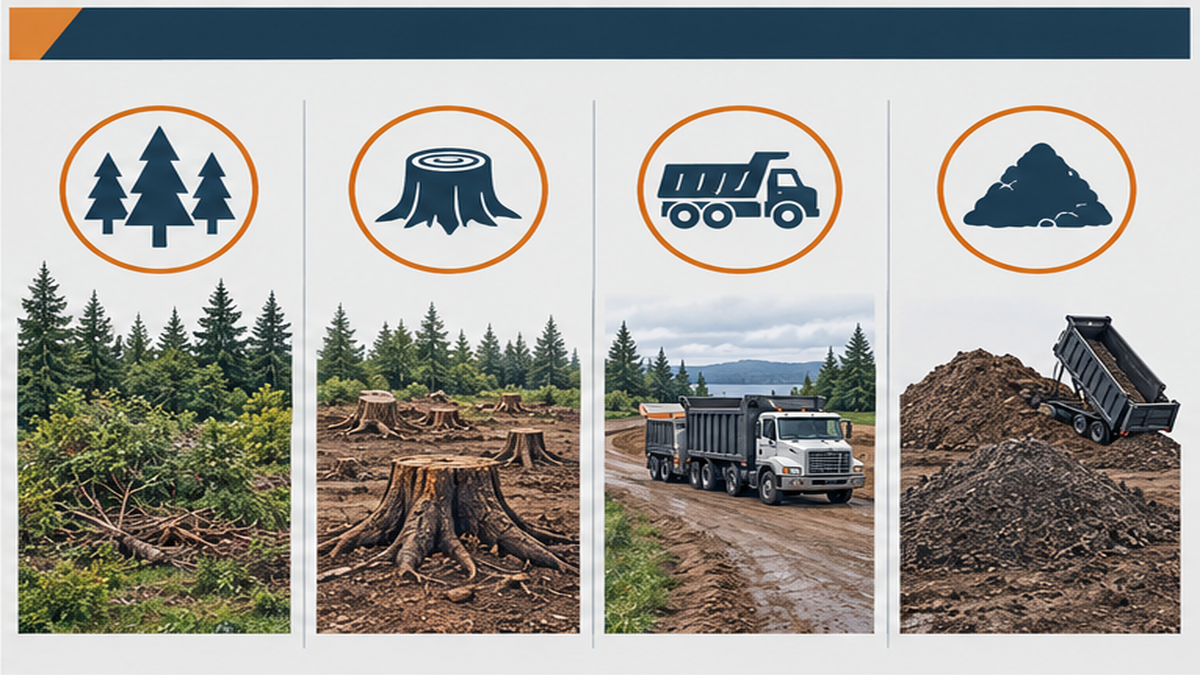
Several concrete factors drive the cost of correcting water pooling near a foundation. We look at these variables when reviewing your project documents.
| Cost Factor | How it affects your quote |
|---|---|
| Material type | Clean soil costs less to dispose of than mixed demolition debris or concrete rubble, which require sorting. |
| Volume and weight | The total amount of material hauled off directly impacts disposal fees and trucking hours. |
| Site access | Tight lots require smaller machines and double-handling of materials, adding labor time compared to wide-open commercial sites. |
| Hazardous materials | Contaminated soil requires specialized handling and permitted disposal sites, increasing the overall budget. |
| Unstable soils | Discovering poor soil conditions during excavation means we may need to install shoring or soldier piles before continuing. |
| Schedule pressure | Rushing dirt work before a foundation pour often requires extra crews and machines on site simultaneously. |
What a Professional Earthworks Quote Includes
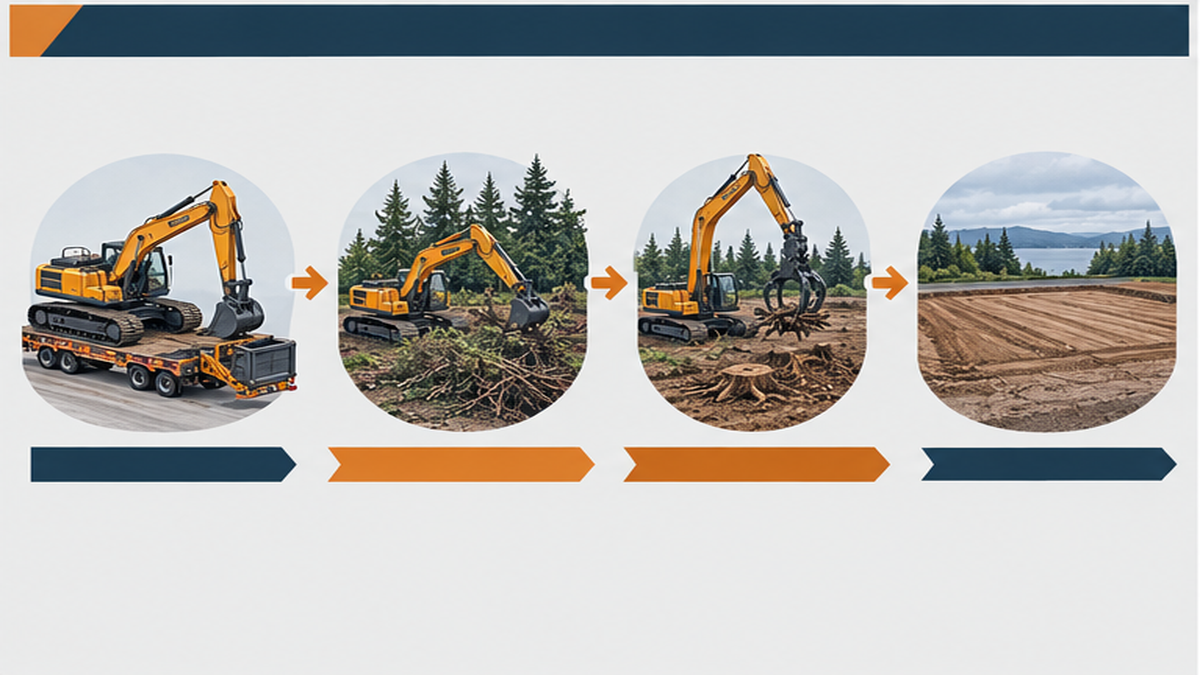
A comprehensive earthworks quote covers the entire process from initial digging to final grading. When we bid on a project, the estimate includes the heavy equipment required for excavation and site preparation. It covers the labor for our crews to dig trenches, install stormwater pipes, and route underground utilities away from the building. If the job requires ground stabilization, the estimate will detail the drilling, caging, and installation of soldier pile walls. Finally, the proposal includes the road restore process and final grading to ensure water flows correctly across the site. You receive a detailed breakdown of these phases so you know exactly what the crew will execute.
Site Conditions That Increase Project Costs
Certain site conditions force a project into a higher cost tier. Discovering buried concrete or old foundations during excavation is a primary driver of change orders, as it requires heavy demolition before drainage work can proceed. Tight access is another major factor. If a site in King County has narrow property lines that prevent standard excavators from entering, crews must use smaller equipment and double-handle the soil, multiplying the labor hours. Contaminated soil pushes costs up, requiring transport to specialized, permitted facilities. Winter weather creates mud, forcing crews to manage the site rather than advance the installation. If the geotech report reveals that the slope requires active specialty site work like tiebacks or commercial retaining walls to prevent a landslide, the engineering and material requirements will expand the budget.
How to Control Your Site Preparation Budget
You can control costs by defining the scope clearly before equipment arrives. Projects generally fall into three scope tiers: targeted repair, standard installation, and expanded reconfiguration. A targeted repair requires minimal excavation to route a single downspout away from the building. A standard installation involves trenching for new drainage across the property. An expanded reconfiguration includes deep excavation, soil haul-off, and ground stabilization. To keep your project in a lower tier, provide a complete plan set and geotech report upfront. This allows us to plan the most efficient equipment approach and avoid surprises. Clearing the work area of obstacles before the crew arrives also saves hourly labor. Finally, scheduling the dirt work during drier months reduces the need for extensive mud management and temporary shoring, keeping the project moving efficiently.
The Risks of Accepting the Lowest Bid
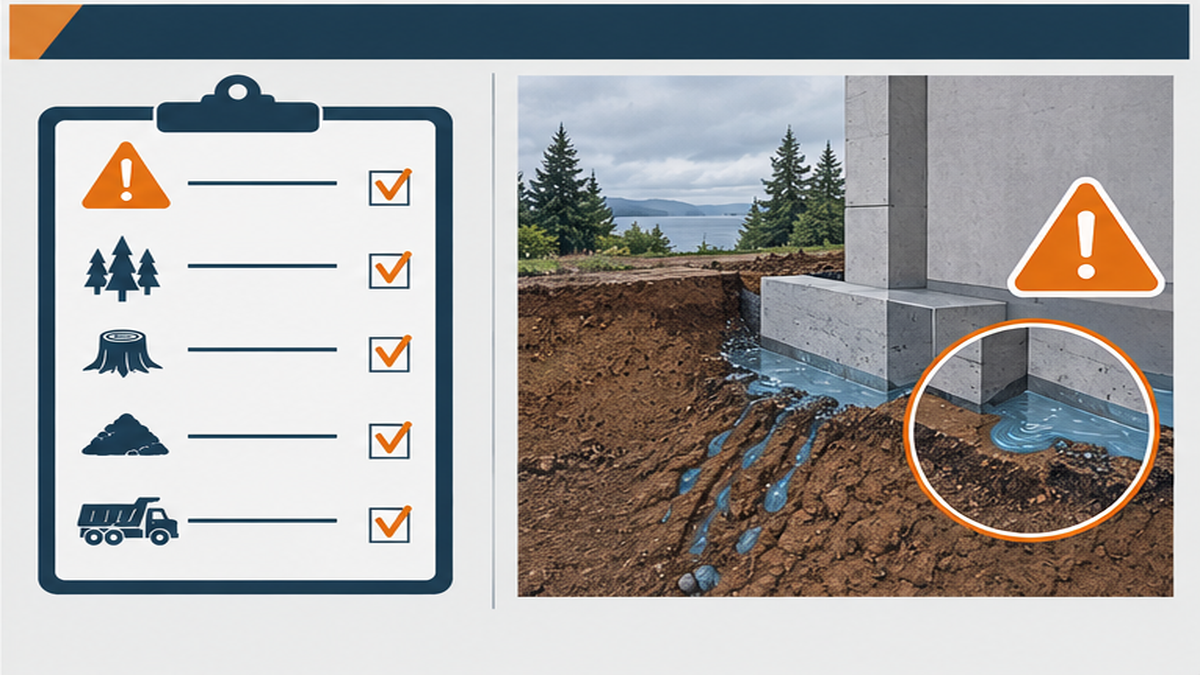
Accepting the lowest bid for site preparation often leads to expensive delays during the foundation pour. Cheap bids typically omit critical line items like soil haul-off, disposal fees, or proper ground stabilization. Low bids may also ignore the geotech report, skipping necessary shoring or soldier piles. When the trench collapses or water continues pooling near the foundation, you face severe project delays and structural risks. Furthermore, inexperienced operators might damage existing lines, complicating tasks like referencing guides for Planting Near Underground Utilities later on. We provide a transparent, fixed estimate based on your engineering documents so you know the true scope required to stabilize the site and manage water correctly.
When a Custom Quote is Required
Every commercial earthworks and drainage project requires a custom quote based on engineering documents. We do not provide blind online pricing. The process starts when you email your drawings, plan set, and geotech report. We review the scope to understand the soil realities and access constraints. For complex jobs involving retaining walls, soldier piles, or tight lots, we conduct a site visit to assess the terrain. We then provide a fixed written estimate before work begins. We are the installer, not the design engineer. If you do not have stamped drawings yet, we can recommend a licensed Washington firm to assess the site first. Once the engineering is complete, we deliver the heavy civil installation. Learn more about our core Utilities & Drainage services.
Common Questions About Drainage Costs
How is Utilities & Drainage priced in my area?
What should I know about Utilities & Drainage?
How long does Utilities & Drainage take?
How do I get an estimate?
Ready to Resolve Your Site Drainage Issues?
Payment Structures for Commercial Earthworks
Commercial earthworks and high-ticket shoring projects require clear payment structures tied to project milestones. We align our billing with the contracted phases of excavation, drainage installation, and final grading. We do not offer consumer financing plans. Instead, we provide a transparent, fixed estimate upfront based on your engineering documents. This allows you to build the exact site preparation costs into your overall development budget or construction loan. Clear documentation and quality control at every phase ensure that your draws align with completed, verifiable work on site. Engineers often reference municipal guidelines, similar to the City Of Columbus Stormwater Drainage Manual, when designing these approved site plans.
How Project Timelines Impact Your Final Cost
Rushing a site preparation package often increases the total budget. This schedule pressure raises labor and equipment costs because we must deploy multiple crews simultaneously. Conversely, allowing a standard lead time for mobilization and executing the work during dry weather keeps costs manageable. Winter weather introduces mud, requiring extra hours for surface protection and water management. By engaging us early in the planning phase and providing your geotech report promptly, we can schedule the excavation during optimal conditions, avoiding the premium costs associated with accelerated, weather-impacted site work.