
Sewer Installation and Earthworks Coordination
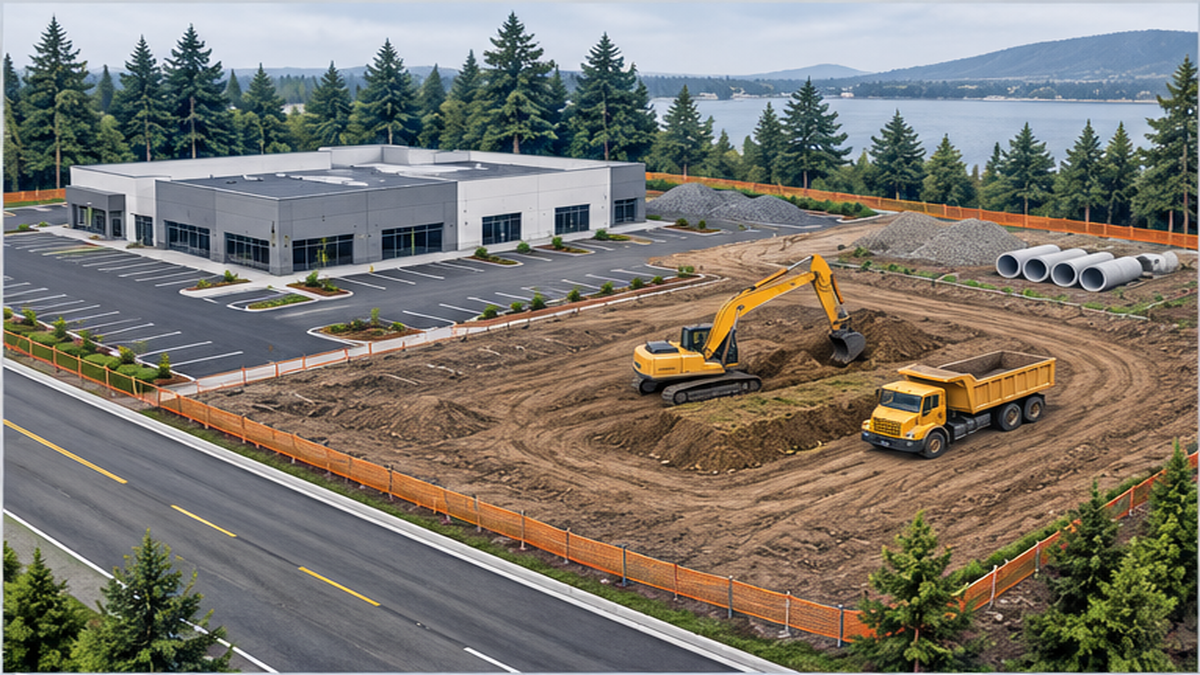
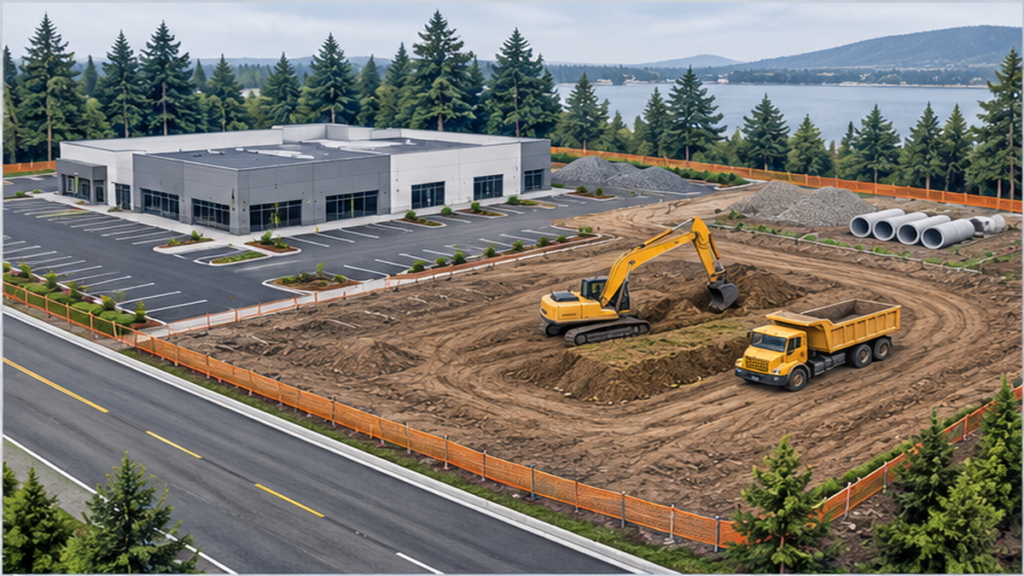
Coordinating sewer installation before a foundation pour in Federal Way, WA requires a contractor who can handle the full earthworks scope, from excavation to underground utilities. Developers and general contractors often face tight schedules, unstable soils, and the headache of managing multiple trades before framing can even begin. We manage the complete site package across Washington and Oregon, including trenching, pipe laying, demolition, and soil removal, so your project keeps moving forward. A typical job starts with a thorough review of your stamped drawings and geotech report to assess site access and soil realities. Once we understand the specific conditions of your lot, we provide a transparent, fixed estimate before any dirt is moved.
The Reality of Commercial Utility Trenching
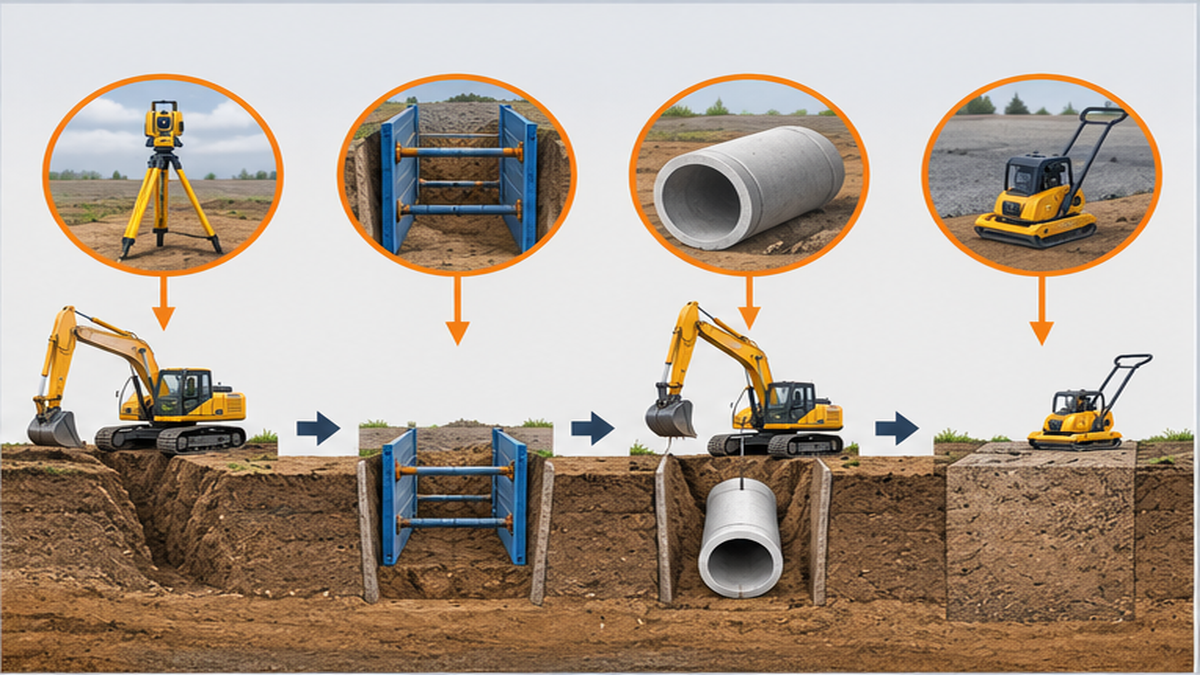
Installing a new sewer line on a commercial or large residential site involves much more than just digging a trench. The process requires precise grading, proper shoring for deep trenches, and strict adherence to municipal codes. The utility trenching must coordinate smoothly with utilities and drainage systems, as well as gas lines, to avoid costly rework. We handle the heavy civil requirements, including demolition, soil haul-off, and ground stabilization, before laying the pipe.
If your site has buried foundations, high water tables, or contaminated soil, those factors dictate the equipment size and disposal methods we deploy. We rely entirely on your engineer's design to execute the installation, as we are the installer, not the structural engineer. By reviewing your plan set early, we can identify access constraints—like tight urban lots requiring double-handling of material—and adjust the equipment plan accordingly. This proactive approach keeps the dirt work on schedule and prevents cascading delays for the concrete and framing crews waiting to start.
Critical Site Factors Before Trenching Begins
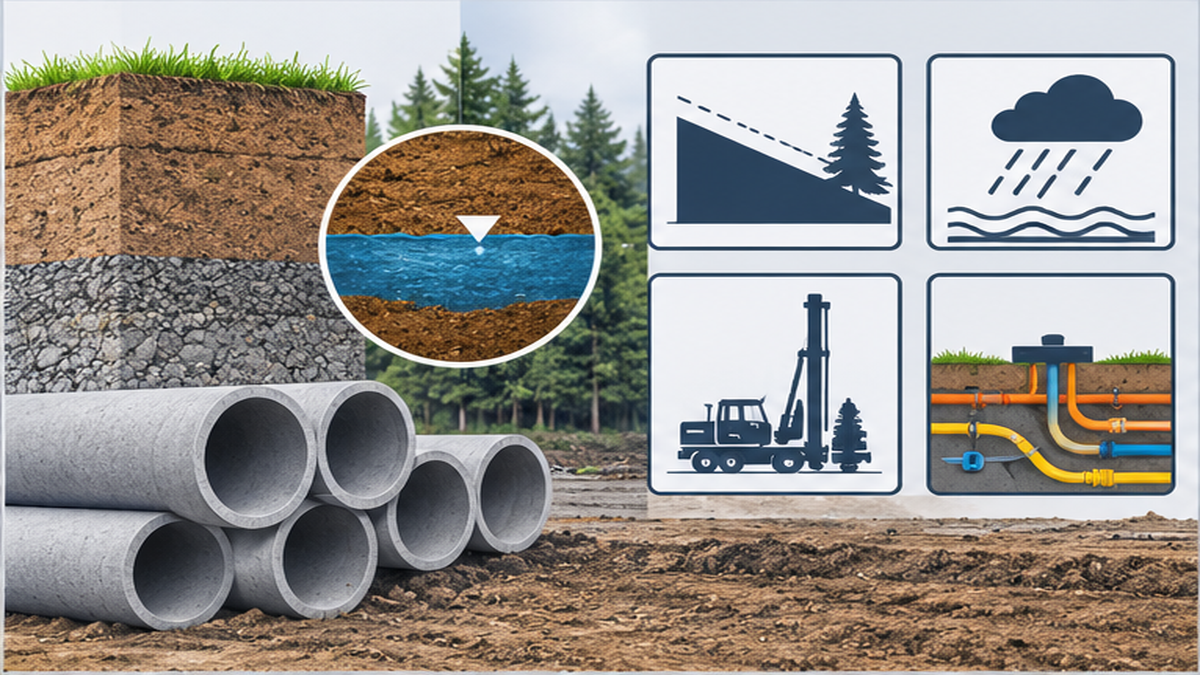
General contractors and developers must evaluate several critical site factors before trenching begins. Making the right choices early prevents budget overruns and schedule delays.
- Site Access and Equipment: Tight lots in cities like Bellevue or Kirkland often mean standard excavators will not fit. Using smaller machines requires more time to move soil and carefully navigate around existing structures.
- Soil Conditions: The details outlined in your geotech report matter. Unstable soils might require soldier pile walls, tiebacks, or temporary shoring to keep the trench safe during pipe installation.
- Earthworks Scope: Bundling demolition, grading, and underground utilities with one heavy civil contractor reduces the number of trades you have to manage and speeds up the schedule.
- Material Disposal: Clean soil is significantly easier and cheaper to haul away than mixed demolition debris or concrete rubble. Knowing exactly what is buried on your site helps us give you a realistic number.
Understanding these variables allows us to provide a fixed estimate rather than a rough guess, keeping your project budget grounded in reality.
Avoiding Delays in Underground Utilities
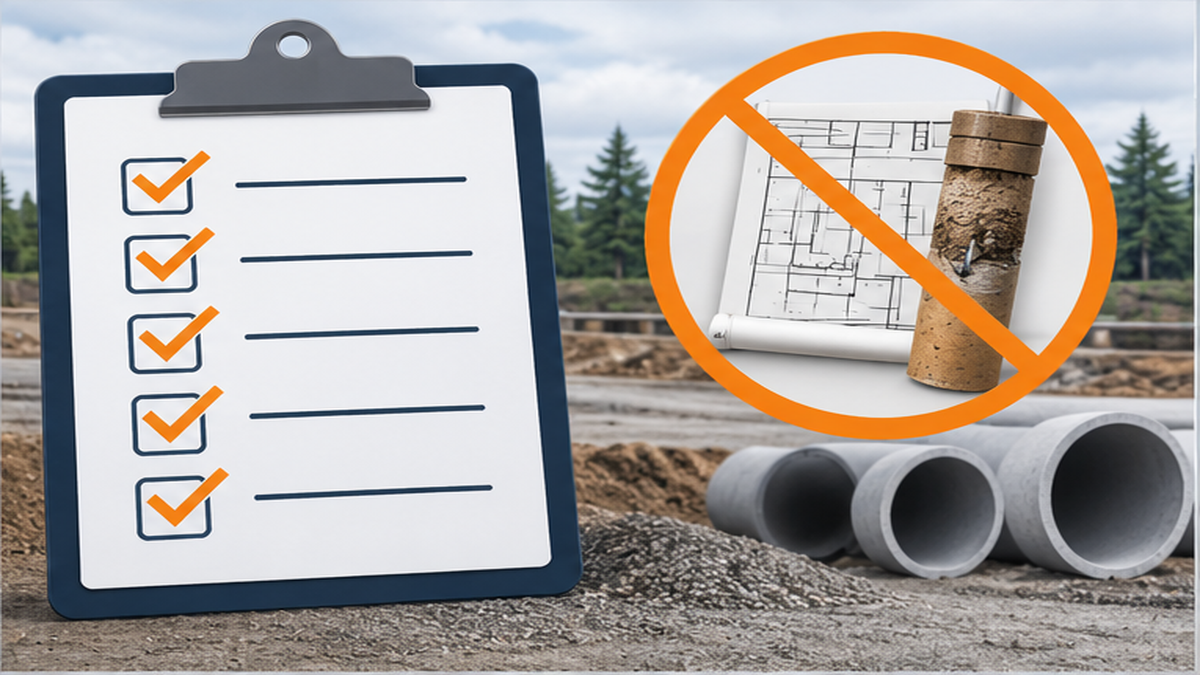
A frequent mistake on commercial builds is requesting a firm price without providing a geotech report or stamped drawings. Without knowing the soil composition, water table, or exact utility layout, any number given over the phone is just a guess. Another major error is failing to coordinate sewer installation with other underground utilities. Trenching multiple times for gas, water, and sewer wastes valuable time and increases the risk of damaging newly installed lines.
Some developers also underestimate the space needed for soil stockpiling during the excavation phase. If the lot is too small to hold the dirt, it must be hauled off and then brought back later for backfill, which adds significant trucking and disposal costs. You can avoid these logistical issues by sending your complete plan set early. This allows us to review the access, plan the equipment staging, and sequence the dirt work correctly from day one.
When to Bring in a Heavy Civil Contractor
You need a heavy civil contractor when your project involves deep trenches, unstable slopes, or complex municipal tie-ins. If your site requires shoring, soldier piles, or retaining walls to safely install the sewer, it is time to bring in an experienced excavation crew. We step in when developers and general contractors need a turnkey site package that moves from demolition straight through to final grading and utility connections.
Do not rely on a standard landscaper or light-duty operator for deep sewer lines or commercial stormwater management. If you have your stamped drawings and geotech report ready, email them to us. We will review the documents, walk the site if access is tricky, and provide a detailed cost estimate for the entire earthworks scope. We pride ourselves on a response within 24 hours on quote requests, so you can make informed decisions and keep your build on track.
Related Earthworks and Drainage Resources
Ready to Plan Your Site Preparation?
Common Questions About Sewer and Utility Installation
How is Utilities & Drainage priced in my area?
What should I know about Utilities & Drainage?
How long does Utilities & Drainage take?
How do I get an estimate?
Protecting the Site After Utility Installation
After your sewer and underground utilities are installed and the trench is backfilled, protecting the site is critical for long-term stability. Heavy machinery should avoid driving directly over newly laid pipe routes until the final grading and road restoration are complete. If your project includes planting near underground utilities, ensure that landscaping crews know the exact location of the lines to prevent root intrusion or accidental strikes during digging.
Keep surface water directed away from the trenches to prevent soil erosion and settling before the final paving is done. Following local municipal stormwater drainage protocols ensures the site remains compliant and stable while the rest of the construction phases move forward. Proper site management immediately after installation protects your investment and prevents unnecessary repair calls.