
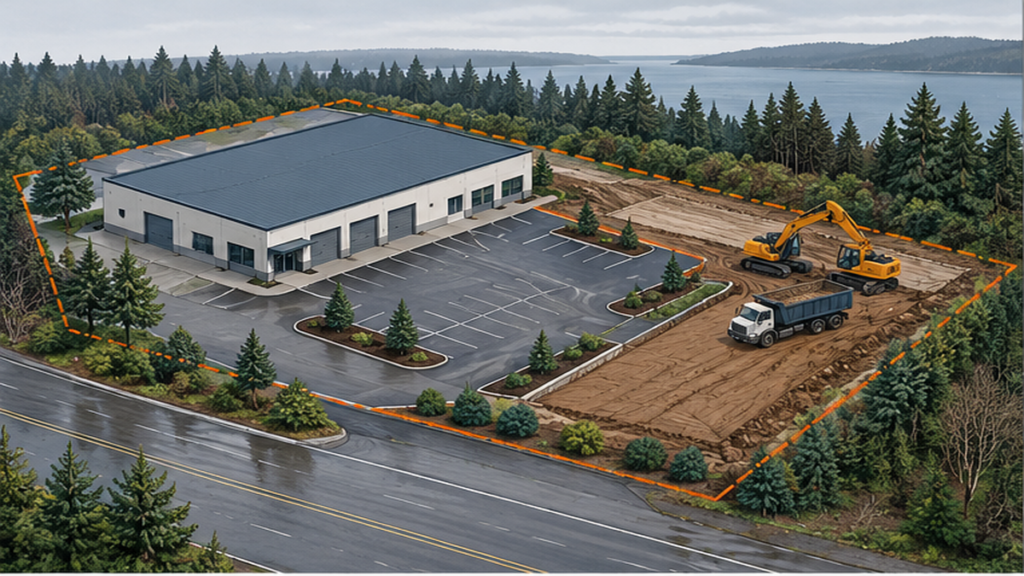
Driveway Excavation Contractors
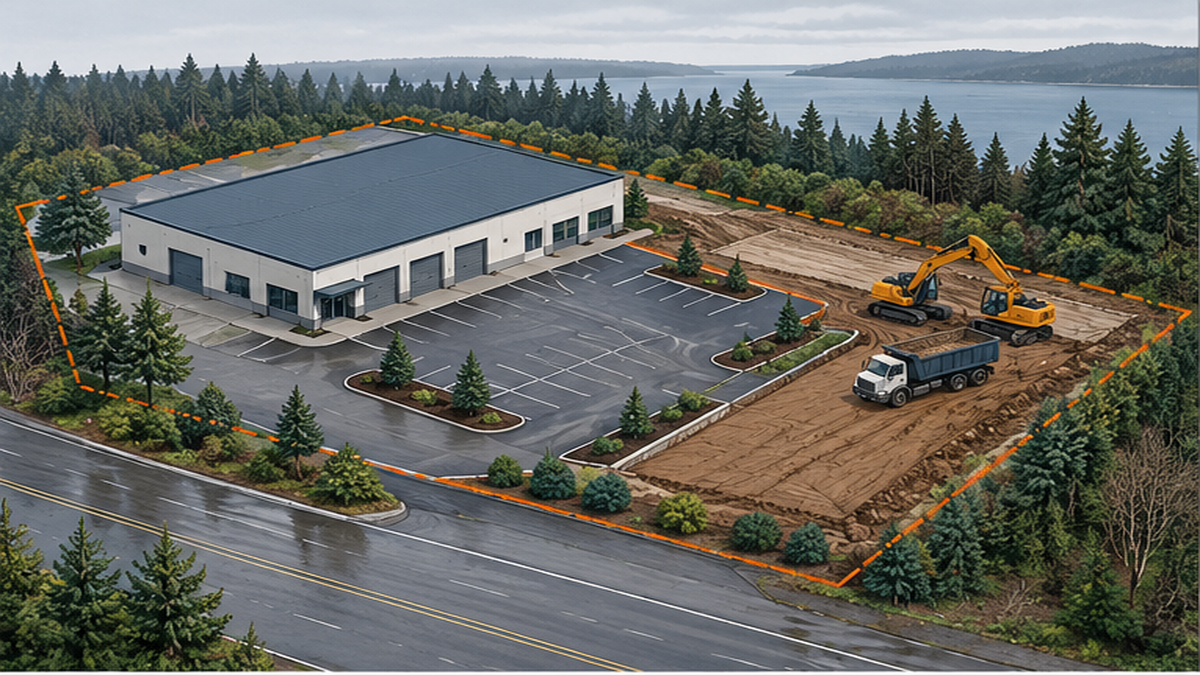
When expanding a buildable area or replacing a failing driveway in Washington, hiring a driveway excavation contractor means securing the heavy civil team that handles the dirt work, grading, and soil haul-off before the surface crew arrives. Ruffhouse Construction LLC provides earthworks and site preparation for developers, general contractors, and private landowners across Federal Way and the Puget Sound region. If you are dealing with unstable soils, tight schedules before a foundation pour, or complex slope management, the first step is reviewing your site plan and geotech report to determine the exact excavation scope.
Understanding the Driveway Excavation Scope
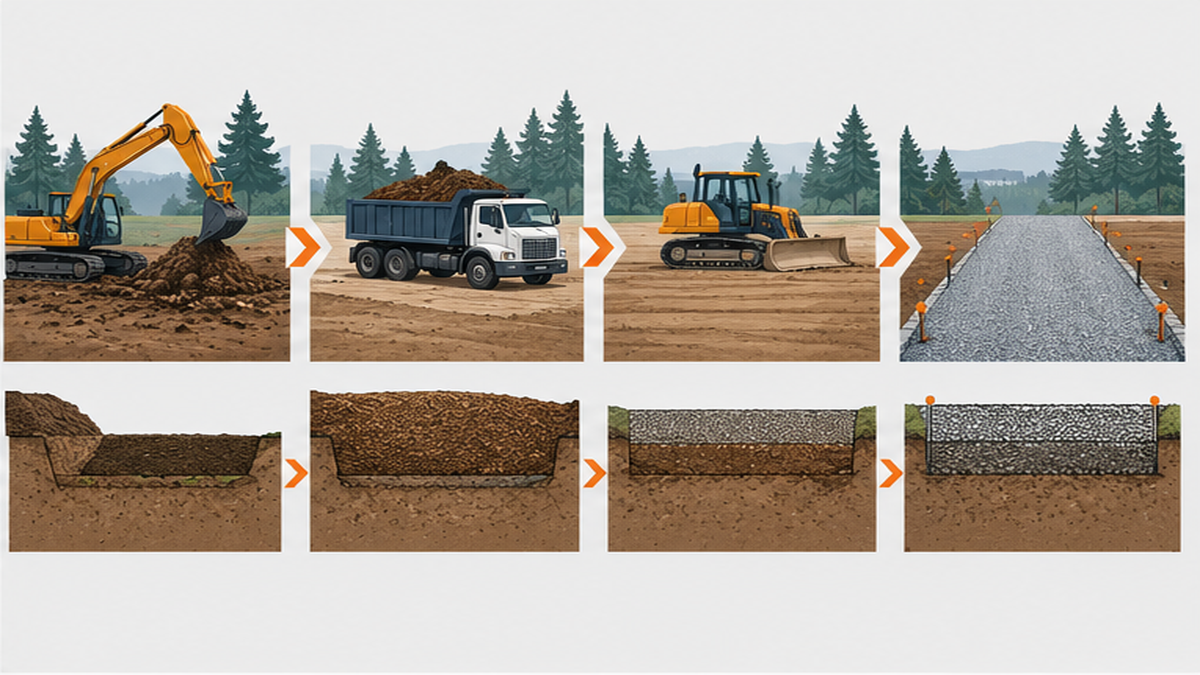
Driveway excavation requires more than just scraping the topsoil. The process involves site grading, earthworks, and preparing a stable subgrade that can support heavy vehicle loads without settling. We handle the full earthworks scope, which includes demolition of the existing surface, soil haul-off, and utility trenching if drainage systems need to be installed beneath the driveway path.
For properties on steep inclines, driveway excavation often triggers the need for retaining structures. We install soldier pile walls and handle the associated drilling and caging to ensure the surrounding earth remains stable. We are the heavy civil installer, not the design engineer. This means we execute the stamped drawings provided by your structural engineer to exact specifications. Proper site assessment dictates the machinery required, the volume of soil to be removed, and the logistics of navigating tight residential or commercial lots.
Coordinating multiple earthworks trades can delay a project. By managing the demolition, grading, and soil removal in one package, we keep the site moving forward so the concrete or asphalt contractors can begin their work on a properly prepared foundation.
Key Decisions Before Starting Site Prep
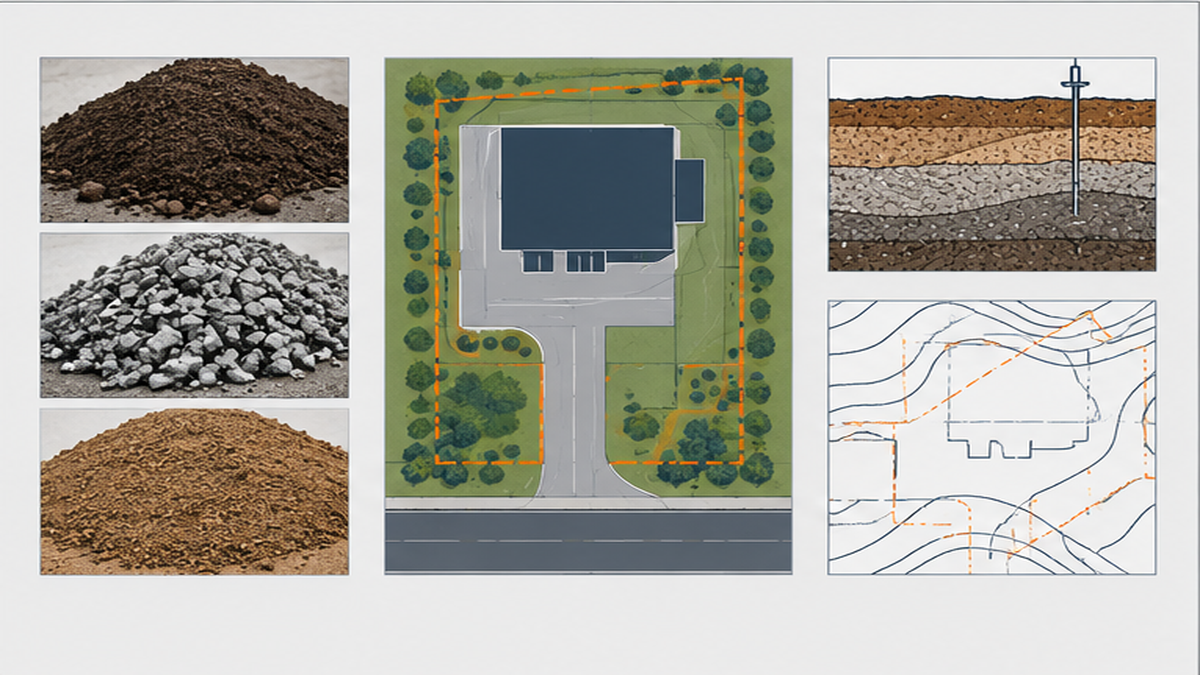
Before scheduling heavy machinery for your driveway project, you need to finalize the site layout and engineering requirements. Your primary decision involves the structural demands of the land. If your property has significant elevation changes, you must decide between benching the slope, installing a rockery, or requiring a fully engineered soldier pile wall to retain the earth beside the driveway.
Access is another major factor. Tight lots limit the size of the excavators and dump trucks that can safely enter the workspace. This directly impacts how quickly soil haul-off occurs and whether materials require double-handling. You also need to confirm the location of existing underground utilities and whether new drainage systems must be integrated into the driveway subgrade.
| Decision Factor | Impact on Excavation Scope |
|---|---|
| Slope and Elevation | Steep grades may require retaining walls, tiebacks, or specialized shoring during the dirt work phase. |
| Soil Condition | Unstable soils identified in a geotech report dictate the depth of foundation excavation and the type of fill material required. |
| Site Access | Narrow streets or overhead obstructions limit equipment size, altering the timeline for demolition and soil removal. |
If you are unsure whether a full retaining wall will fit, we can review your site and offer practical alternatives based on the geotech data.
Common Mistakes During Driveway Earthworks
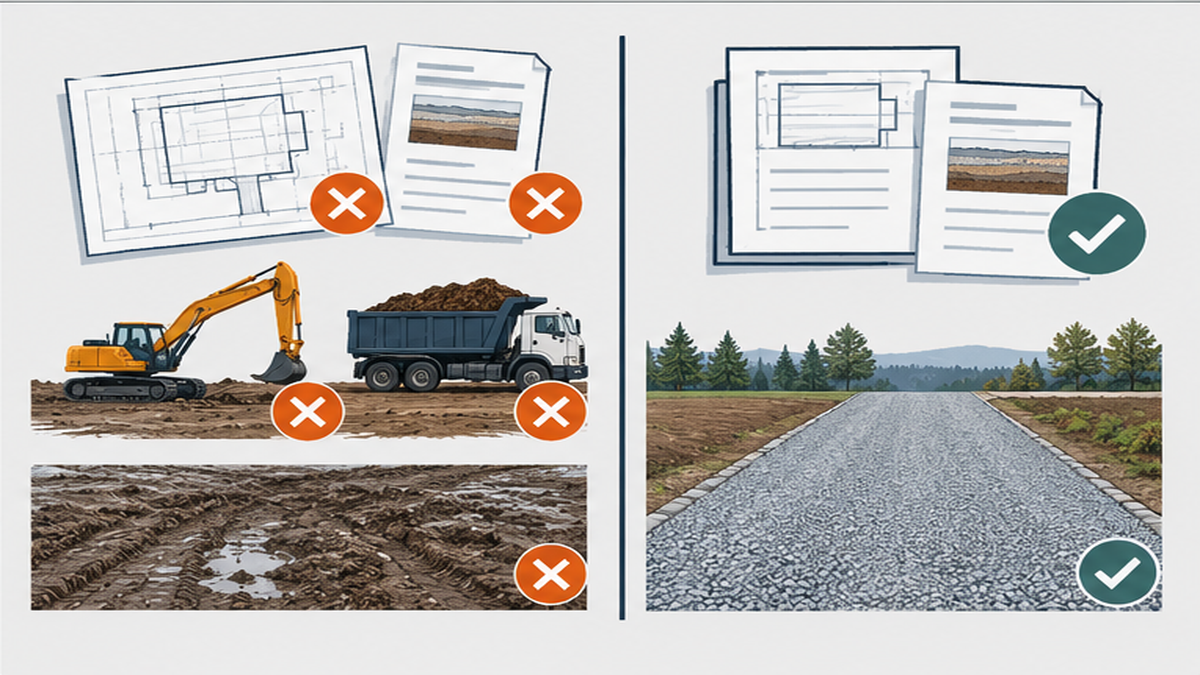
The most frequent error developers and homeowners make is requesting a firm quote without providing a geotech report or stamped plan set. We cannot promise a firm price without knowing the soil realities and the exact engineering requirements. Guessing at subsurface conditions leads to unexpected costs when buried foundations, large boulders, or contaminated soils are discovered during the dig.
Another mistake is hiring a surface contractor who lacks the heavy civil equipment to perform deep soil stabilization. If the subgrade is not properly compacted and graded, the final concrete or asphalt driveway will crack and settle prematurely. Relying on a crew that cannot handle complex slope and water management often results in drainage failures that undermine the driveway foundation.
Finally, failing to account for disposal fees and hazardous material handling can derail a project budget. The cost of soil haul-off depends heavily on the material type—whether it is clean soil, mixed demolition debris, or concrete rubble. Understanding these variables early prevents schedule pressure before the foundation pour. For broader site clearing insights, review our Commercial Land Clearing capabilities.
When to Call a Heavy Civil Contractor
You need a professional excavation contractor when your driveway project involves significant earth movement, structural retaining walls, or complex drainage installations. If your site plan calls for deep foundation excavation or you are building on a steep incline that requires active specialty site work, it is time to bring in a heavy civil team. We work directly with developers, municipalities, and private landowners who need a turnkey site package.
Call us when you have your stamped drawings and geotech report ready for review. If you are dealing with a failing slope next to an existing driveway, do not wait for the earth to shift further. While we do not provide the structural engineering or load ratings, we can execute the landslide or slope repair using engineered soldier piles once the design is approved. If you do not have an engineer yet, we can recommend a Washington-licensed firm to get your project started.
For projects requiring deep foundational support, learn more about our Drilled Shaft Excavation and Shoring & Stabilization services. We handle the heavy lifting so your site is fully prepared for the next phase of construction.
Related Earthworks and Site Prep Services
Ready to Review Your Site Plan?
Common Questions About Driveway Excavation
How is Excavation & Site Prep priced in my area?
Is it cheaper to concrete or gravel a driveway?
How long does Excavation & Site Prep take?
How do I get an estimate?
Site Maintenance and Grading Upkeep
Maintaining the integrity of your driveway subgrade starts with proper water management. Ensure that the drainage systems installed during the earthworks phase remain clear of debris, leaves, and sediment. Blocked utility trenches or surface drains force water to pool, which can erode the site grading and compromise the foundation excavation work beneath the driveway.
If your driveway is flanked by a rockery or soldier pile wall, monitor the surrounding soil for signs of unusual settling or shifting, especially after heavy Pacific Northwest rainstorms. Catching minor drainage issues early prevents the need for extensive soil haul-off and remediation later. For commercial properties managing larger earthworks compliance, maintaining your Dpie Site Grading Certification standards ensures your site remains safe and structurally sound year-round.