
Why Your Foundation Needs Piles
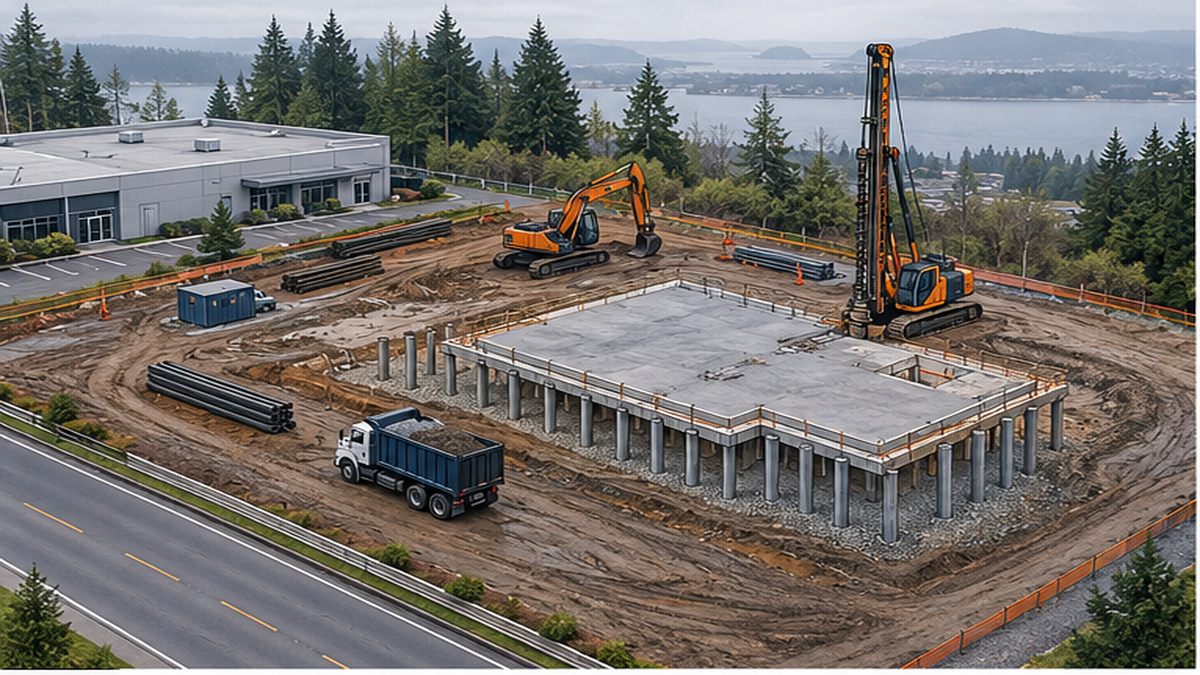
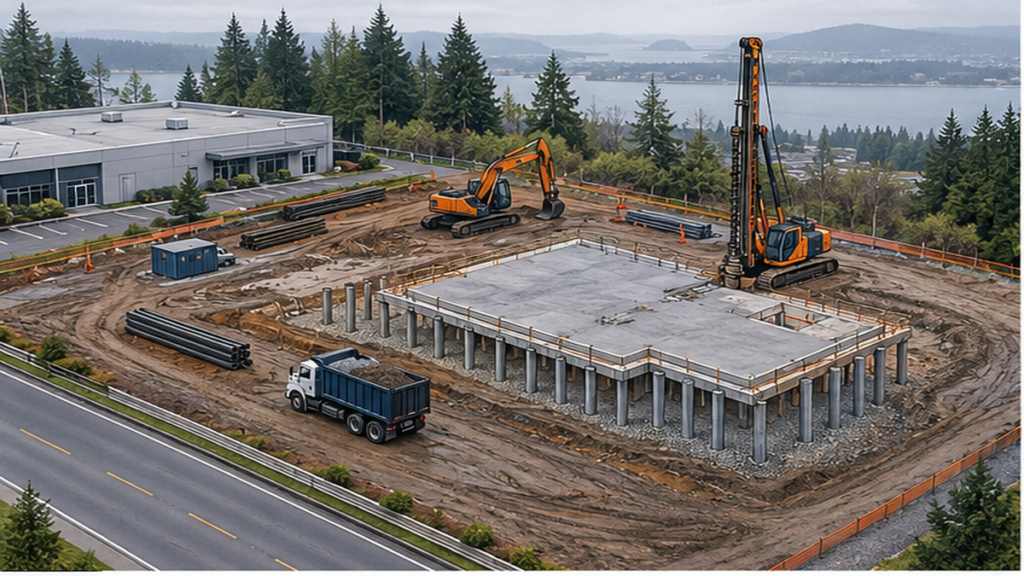
A building foundation needs piles when near-surface soil lacks the load-bearing capacity to support structural weight safely. In unstable ground, steep slopes, or areas with high water tables across Washington and Oregon, shallow footings risk differential settlement, wall cracking, or structural failure. Deep foundation elements, such as drilled shafts and auger cast piles, bypass weak soil strata to transfer structural building loads directly into competent bedrock or dense bearing soil below. Ruffhouse Construction LLC provides deep foundation drilling and caging services from Federal Way, Washington, executing engineering specifications for residential builders and commercial general contractors.
How Deep Piles Protect Structural Integrity
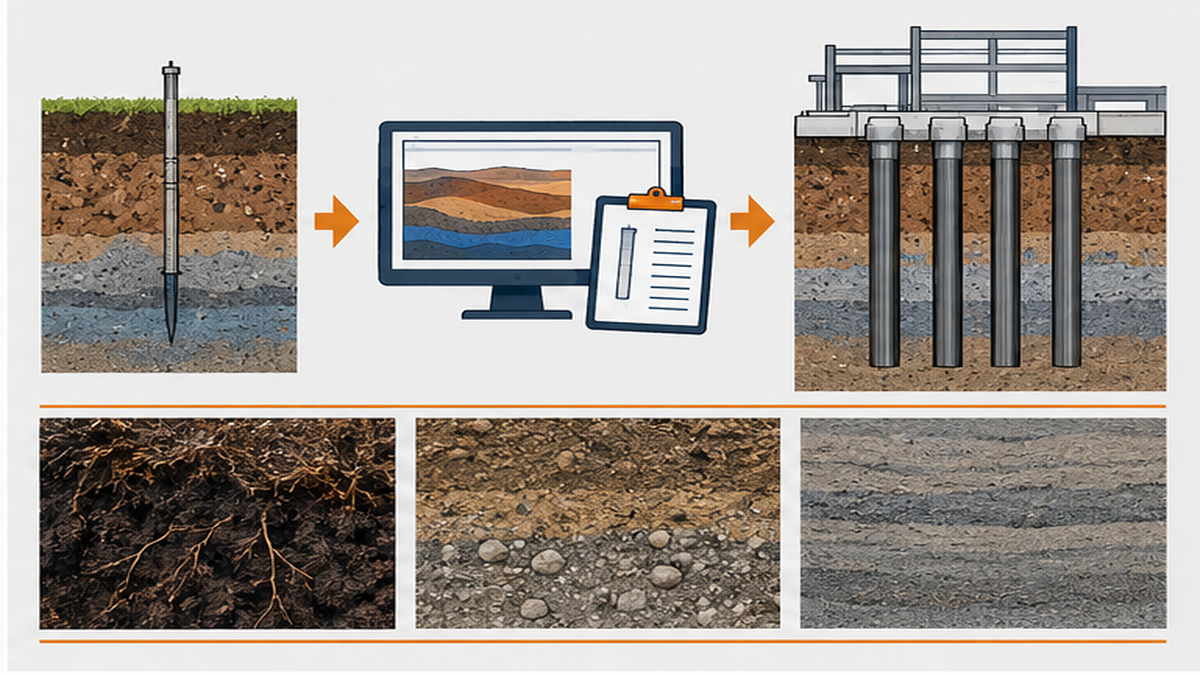
When soil testing reveals peat, uncontrolled fill, or loose silt deposits, a geotechnical engineer determines the depth required for structural stability. Drilled piles function through end-bearing resistance, skin friction, or a combination of both along the length of the shaft. Heavy drilling rigs bore deep cylindrical shafts into the ground until they reach the engineered bearing layer. Once crews confirm borehole depth and remove loose spoils, ironworkers and rigging crews place heavy welded steel rebar cages into the vertical shaft to resist tension, shear, and lateral seismic forces.
Concrete is then placed within the borehole around the reinforcing steel to create a reinforced column. If you want to evaluate project trade-offs before mobilization, reviewing the advantages and disadvantages of borehole drilling helps clarify when drilled shafts outperform driven methods. In dense Pacific Northwest glaciomarine drift or hard rock layers, specialized rotary drilling methods provide clean penetration without severe ground vibrations that could disturb adjacent homes or municipal infrastructure.
Key Planning Decisions Before Drilling Begins
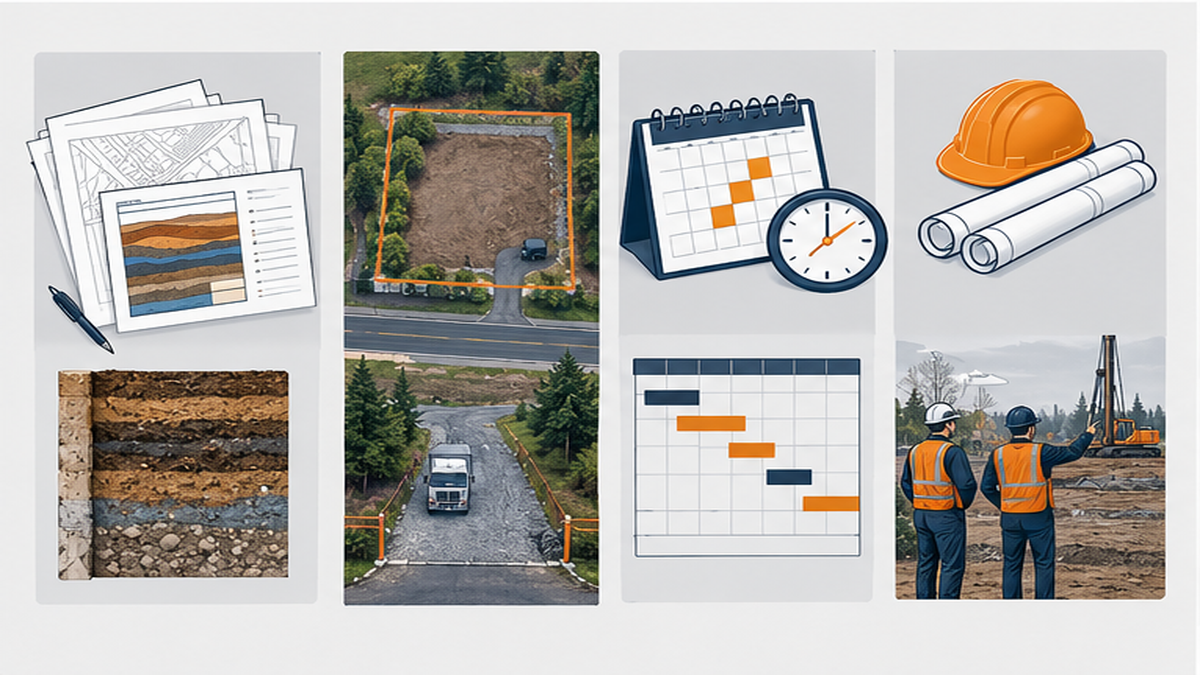
Planning a pile-supported foundation requires coordinating engineering data, physical property access, and scheduling before equipment arrives on site. Builders and homeowners must balance several practical constraints during early project phases:
- Geotechnical Data Requirements: Pile depth and diameter cannot be estimated from surface observations. A stamped geotechnical report with test borings is mandatory to establish bearing depths and soil friction values.
- Equipment Access and Overhead Clearances: Rotary drill rigs and delivery trucks require minimum path widths, stable access roads, and overhead clearance away from power lines or tree canopies.
- Subsurface Utility Conflicts: Public utility locates and private line tracing must be completed before augers touch the ground to avoid water, gas, or electrical disruptions.
- Managing Spoils and Slurry: Drilling displaces heavy soil and rock spoils that require containment, loading, and haul-off to approved receiving facilities.
- Rig Selection and Mobilization: Project engineers evaluate whether smaller track-mounted rigs or heavy equipment packages like Akita drilling equipment match the borehole diameters specified on the structural sheets.
Common Pitfalls in Deep Foundation Projects
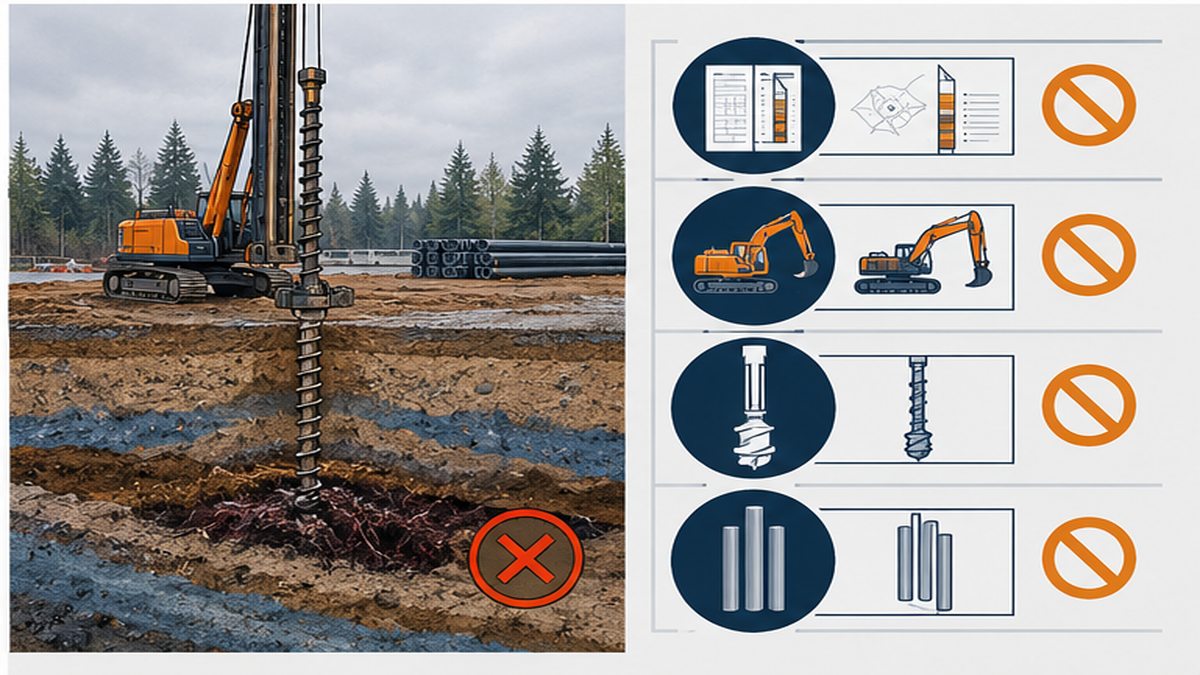
The most expensive mistake on deep foundation jobs is attempting to start excavation or drilling before completing thorough subsurface investigation. Skipping soil borings often leads to contractor delays when augers hit unexpected subterranean boulders, shallow bedrock, or flowing sand layers that collapse open shafts. Modifying borehole depths on the fly without engineering sign-off compromises foundation compliance and can trigger stop-work notices from local building inspectors.
Another common mistake involves mismanaging surface water and groundwater during drilling. In wet Washington conditions, unmanaged runoff can flood open boreholes, softening the base bearing stratum before concrete placement. Contractors must maintain pump systems, temporary casing, or drilling mud when penetrating saturated sand layers. Neglecting rig footprint stability on soft access paths can also cause equipment to tip or sink, creating substantial site recovery expenses before production work starts.
When Professional Drilling Contractors Are Required
Deep foundation drilling requires specialized commercial machinery, certified operators, and precise rigging methods that fall outside standard excavation work. Professional foundation drillers must be engaged the moment structural drawings require cast-in-place piles, grade beams supported by deep shafts, or soldier piles for earth retention. Property owners noticing foundation settling, diagonal wall cracking, or slope movement should immediately retain a licensed geotechnical or structural engineer to evaluate foundation loads.
Once engineered drawings and calculation packages are finalized, specialty contractors execute the installation per plan. Ruffhouse Construction LLC reviews project plans and geotechnical logs from our Federal Way office, coordinating with project teams across Washington and Oregon to establish fixed installation schedules and clear scope deliverables before field work begins.
Related Drilling and Foundation Resources
Plan Your Foundation Drilling Scope
Frequently Asked Questions About Drilling and Caging
How is Drilling & Caging priced in my area?
What should I know about Drilling & Caging?
How long does Drilling & Caging take?
How do I get an estimate?
Long-Term Site Care for Pile-Supported Foundations
While cast-in-place concrete piles buried deep underground require minimal direct maintenance, preserving the ground environment around grade beams and pile caps is essential. Homeowners and facility managers should keep perimeter downspouts and surface drainage directed away from foundation walls to prevent soil erosion around structural caps. Inspect exposed concrete surfaces annually for uncharacteristic cracking or water seepage that could suggest surface drainage problems. Documenting site conditions and consulting your engineer if surrounding soils settle ensures that the deep foundation system continues to perform as designed.