
How Much Does Shoring Cost in Washington and Oregon?
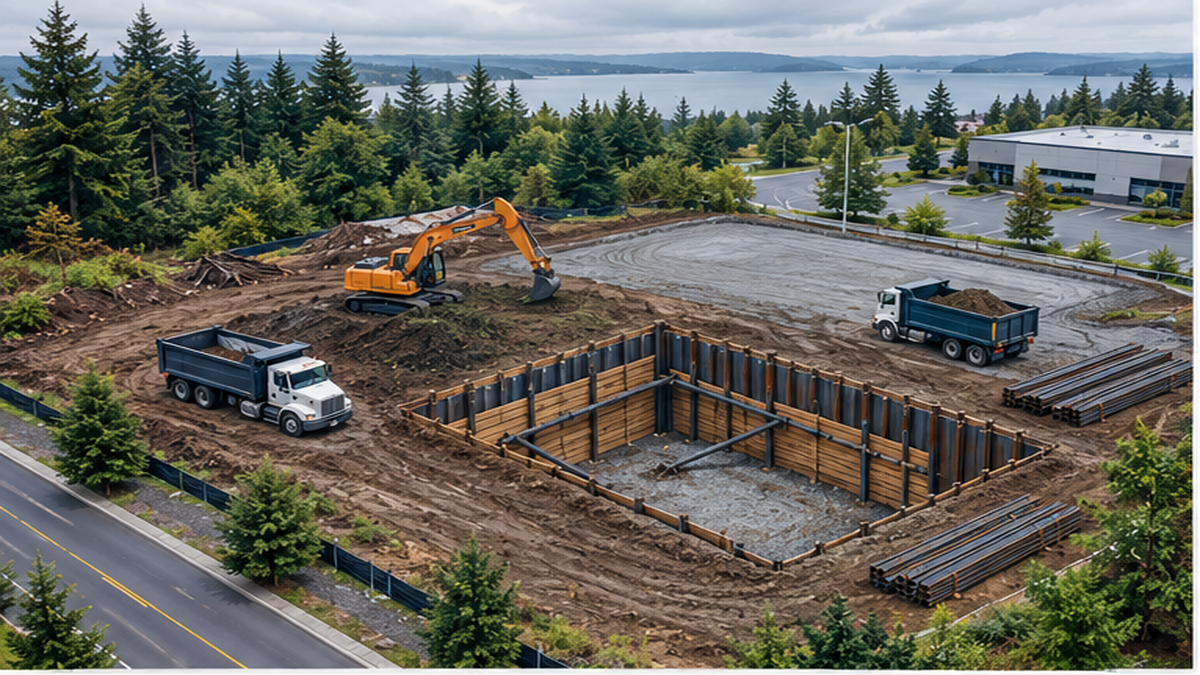
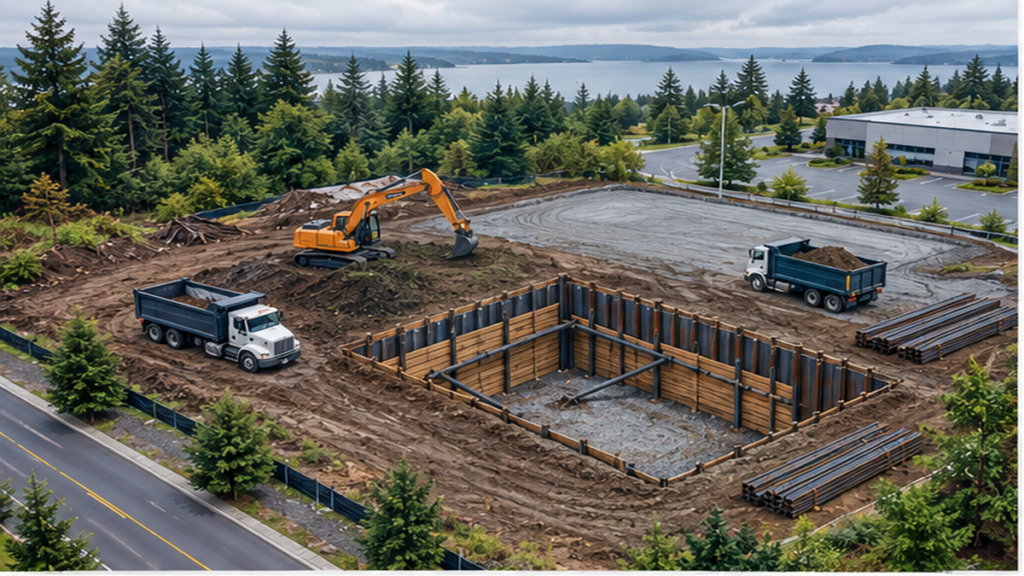
Unstable soils, tight schedules, and slope management can quickly derail a project if your shoring isn't planned right. If you are trying to determine how much shoring costs for your Washington or Oregon site, the direct answer is that there is no standard square-foot price. Your final quote depends entirely on the plan set, geotech report, site access, and the specific soldier pile or sheet pile wall required.
We are the installer, not the design engineer. We do not publish blind online numbers that mislead developers and general contractors. Instead, we base our fixed estimates on your stamped drawings and a thorough site assessment. This ensures you get an accurate number for the heavy civil work required to secure your property.
Why Two Similar Shoring Projects Quote Differently
Two commercial retaining walls with the exact same footprint can result in completely different estimates. Price varies because subsurface conditions dictate the engineering requirements and the installation methods we use. If one site has clean soil and easy truck access, the drilling and caging process moves efficiently. If another site reveals buried foundations, unstable soils, or requires double-handling of materials on a tight lot, the labor and equipment hours increase significantly.
Weather conditions and schedule pressure before a foundation pour also shift the required crew size. Because we provide a fixed cost estimate before work begins, we have to account for these realities upfront. A proper scope review ensures you are not hit with surprise change orders once the heavy equipment arrives on site.
Main Factors That Drive Your Shoring Estimate
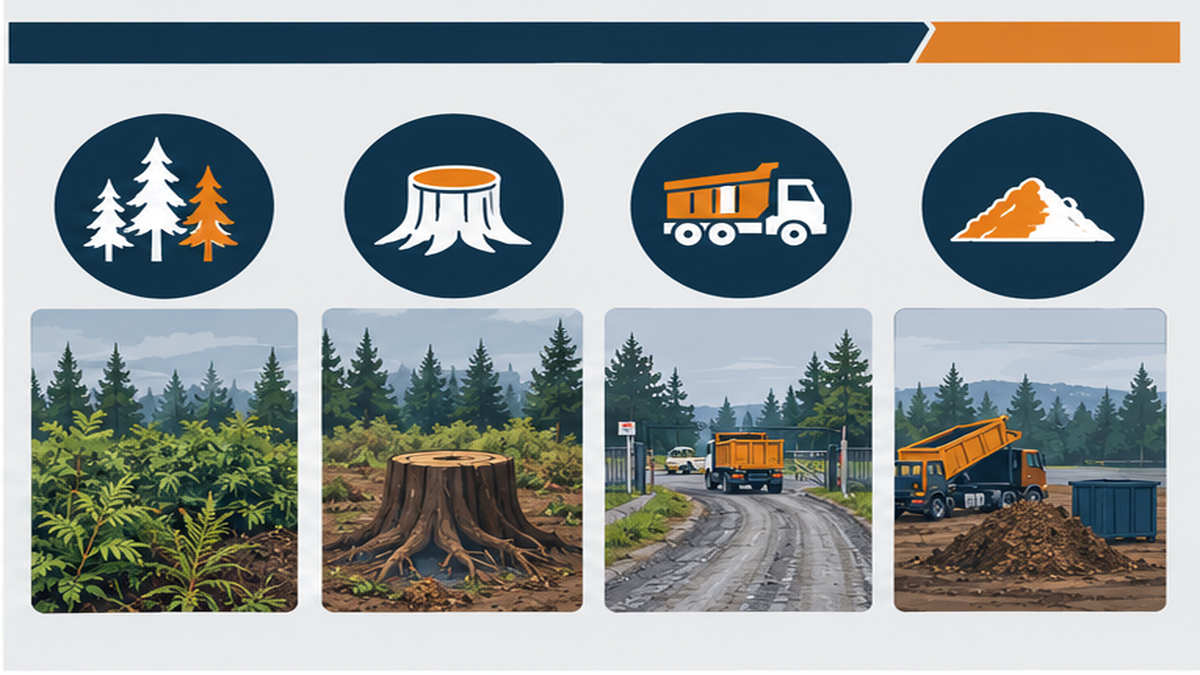
To give you a realistic idea of what drives your quote, we look at several specific variables during our site assessment.
| Cost factor | How it affects your quote |
|---|---|
| Material type and disposal | Clean soil removal is straightforward, while mixed demolition debris or concrete rubble requires specialized sorting and higher dump fees. |
| Volume and weight | The total haul-off tonnage at the disposal facility directly impacts trucking and disposal line items. |
| Site access | Tight lots that limit truck or machine size require double-handling of materials, which increases labor hours. |
| Hazardous materials | Contaminated soil requires specific handling protocols and permitted disposal sites, raising the overall cost. |
| Subsurface surprises | Discovering buried foundations, massive rock, or highly unstable soils during excavation slows down drilling and requires more equipment time. |
| Schedule pressure | Accelerated timelines before a foundation pour often require extra crews and machines, increasing mobilization costs. |
These factors explain why a Sheet Pile Wall on a wide-open commercial lot prices differently than a soldier pile installation on a restricted residential slope.
What a Professional Shoring Quote Covers
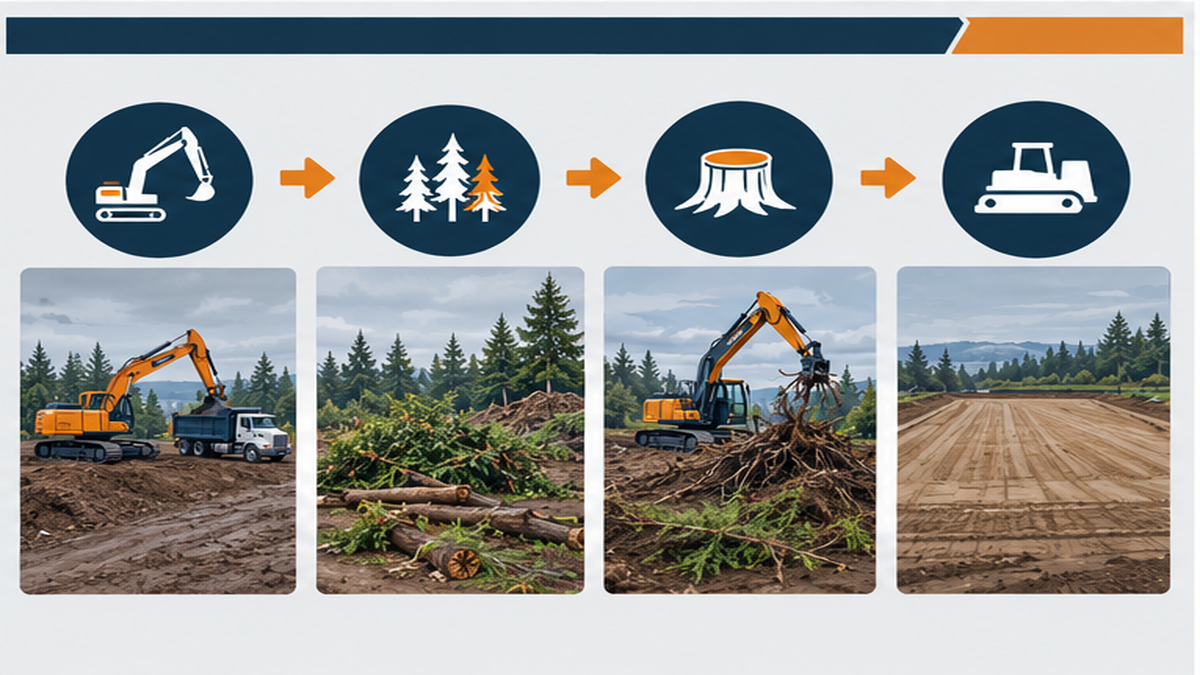
A comprehensive shoring and ground stabilization quote from Ruffhouse Construction LLC covers the full earthworks scope required to safely secure your site. This typically includes the mobilization of heavy equipment, the drilling and caging for soldier pile walls, and the installation of lagging per your engineer's design. We also factor in the demolition and soil removal necessary to create the bench or access point.
Your written estimate will detail the labor, equipment time, and material handling required to reach the final walkthrough. We manage the quality control and documentation so your framing and foundation trades can step onto a secure, prepped site without delay.
Conditions That Push Ground Stabilization Costs Higher
The biggest drivers of increased shoring costs are hidden site conditions and restricted access. If our drilling equipment cannot easily reach the retaining wall location, we have to use specialized machinery or double-handle materials, which adds labor time. Discovering contaminated soil, massive concrete rubble, or excessive groundwater during excavation requires different disposal methods and permitted facilities, increasing haul-off fees.
Additionally, if your project demands an accelerated timeline to meet a tight foundation pour schedule, we may need to deploy multiple crews or work extended hours. Rushing the site preparation phase always increases the baseline operational costs. Learn more about this service to understand how site constraints impact heavy civil work.
How to Control Your Earthworks Budget
The most effective way to control your shoring budget is to finalize your structural engineering and geotech reports before requesting bids. Having a complete plan set allows us to price the exact soldier pile and lagging scope without building in contingencies for unknowns. You can also control costs by ensuring the site is clear and ready for loading, rather than paying our crews for active demolition and sorting before the actual drilling begins.
If you have flexibility in your schedule, avoiding rush mobilizations keeps equipment rates standard. While you cannot change the soil beneath your site, providing accurate, upfront documentation prevents expensive mid-project scope changes.
The Hidden Trade-Offs of the Lowest Bid
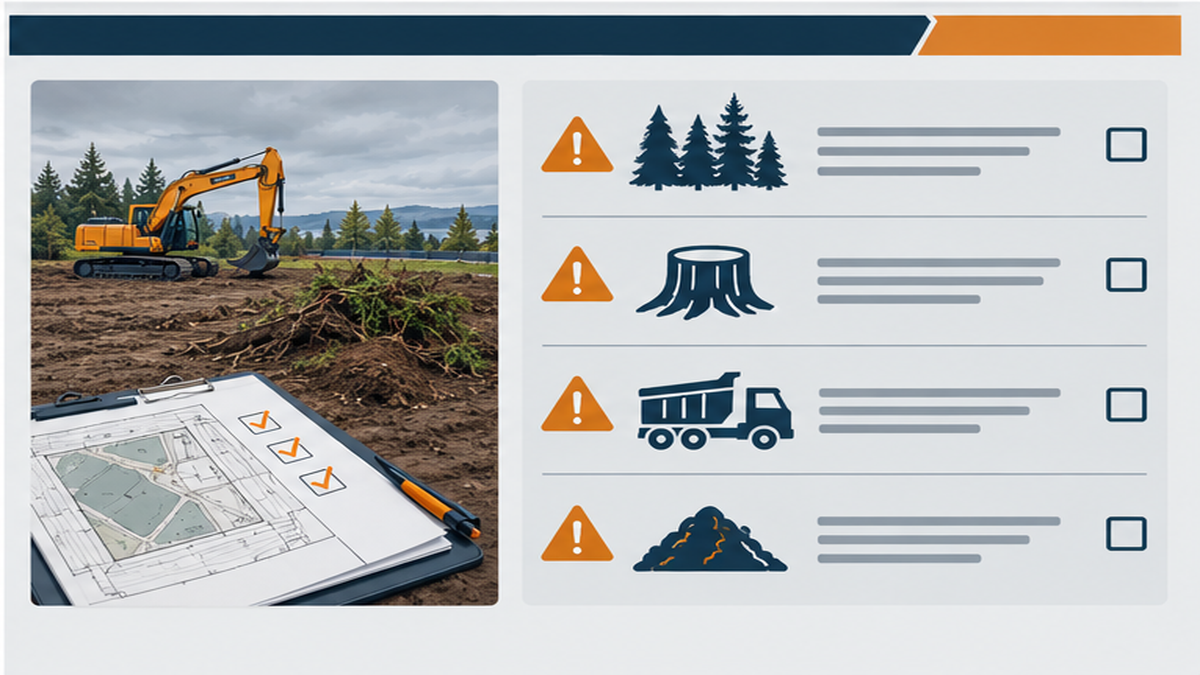
Accepting the lowest bid for ground stabilization often leads to cascading delays for your foundation and framing trades. Cheap earthworks quotes frequently omit critical line items like contaminated soil haul-off, proper site drainage, or the specific tiebacks required by the geotech report. When a contractor underbids the drilling and caging phase, they usually make up the difference through aggressive change orders the moment they hit buried concrete or unstable soils.
A low-bid contractor might also lack the heavy equipment needed to handle tight access, resulting in stalled progress. We provide a transparent, fixed estimate based on your plans so you know the real cost of a safe, compliant site upfront. Reviewing Backyard Retaining Wall Ideas can show you the difference between proper engineering and cut corners.
How to Prepare for a Shoring Estimate
Because we are the installer and not the design engineer, every shoring project requires a custom quote based on your specific site data. To start the process, email us your stamped drawings, plan set, and the geotech report. We will conduct a thorough scope review to evaluate access, soil realities, and material requirements.
If your site has complex access issues or soil unknowns, we will schedule a site visit to assess the logistics firsthand. Once we have all the facts, we provide a detailed, fixed cost estimate before any work begins. If you do not have an engineer yet, let us know—we can recommend a licensed Washington firm to get your plans started.
Common Questions About Shoring Costs
How much does it cost to build 500 sq ft?
How much to excavate 1000 square feet?
How long does Shoring & Stabilization take?
How do I get an estimate?
Ready to Review Your Site Plans?
Planning Your Earthworks Budget
Large-scale earthworks and soldier pile installations represent a significant portion of your development budget. Since we focus on delivering a fixed cost estimate before work begins, you can confidently present our numbers to your lenders or project stakeholders. We require clear payment schedules tied to specific project milestones, such as the completion of drilling, caging, and final soil removal.
Having your geotech and engineering plans finalized upfront prevents unexpected scope changes, ensuring your financing aligns with the actual site requirements. We discuss all payment terms during the initial scope review so your project stays financially on track.
How Your Schedule Impacts the Final Quote
Your project timeline directly influences the final cost of shoring and ground stabilization. If a site requires an accelerated schedule to meet a looming foundation pour, we must deploy additional crews and heavy equipment, which increases the labor and mobilization budget. Conversely, allowing adequate time for proper site preparation, methodical drilling, and organized soil haul-off keeps equipment rates standard and predictable.
Weather also plays a critical role; working through heavy Washington rain can slow down excavation and require extra water management steps. By providing your plan set early, we can build a realistic schedule that balances efficiency with strict quality control.