Need Drilled Shafts For Foundation Cost In Washington State Guide
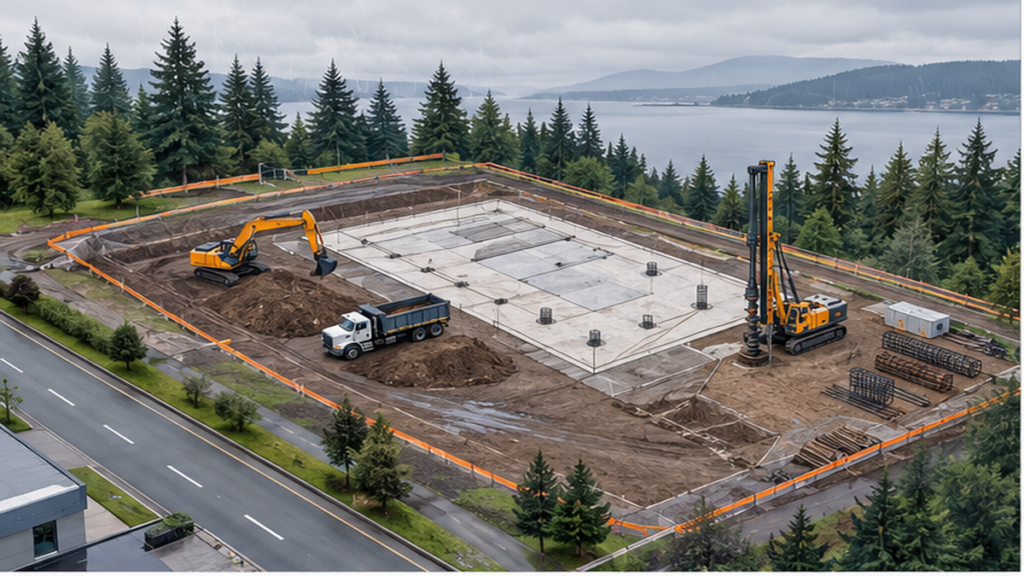
Unstable soils and tight schedules before a foundation pour can stall a commercial build or residential expansion. If you need drilled shafts for a foundation in Washington state, there is no flat online price per pile. Your final cost depends entirely on the geotech report, site access, and the structural engineer's stamped drawings. At Ruffhouse Construction LLC, we are the heavy civil installer—not the design engineer. We base our fixed estimates on your specific soil realities, required pile depth, and material volume. Once you have your plan set, we review the scope to give you an accurate number before any drilling begins.
Why Two Foundation Projects Quote Differently
Two foundation projects with the exact same square footage will quote differently based on what is hiding underground. A site in Bellevue with clean soil and wide access requires less time and equipment than a steep lot in Seattle hiding concrete rubble and buried foundations. The structural engineer dictates the pile diameter, depth, and caging requirements based on load ratings. If the geotech report flags unstable soils or a high water table, the drilling method and temporary casing requirements change immediately.
We also factor in logistics like double-handling materials on tight lots or managing complex stormwater drainage during the dig. A blind online estimate cannot account for these site-specific realities. We review your stamped drawings and geotech data first, so the number we provide reflects the actual work required to stabilize your site.
Main Cost Factors for Drilled Shafts
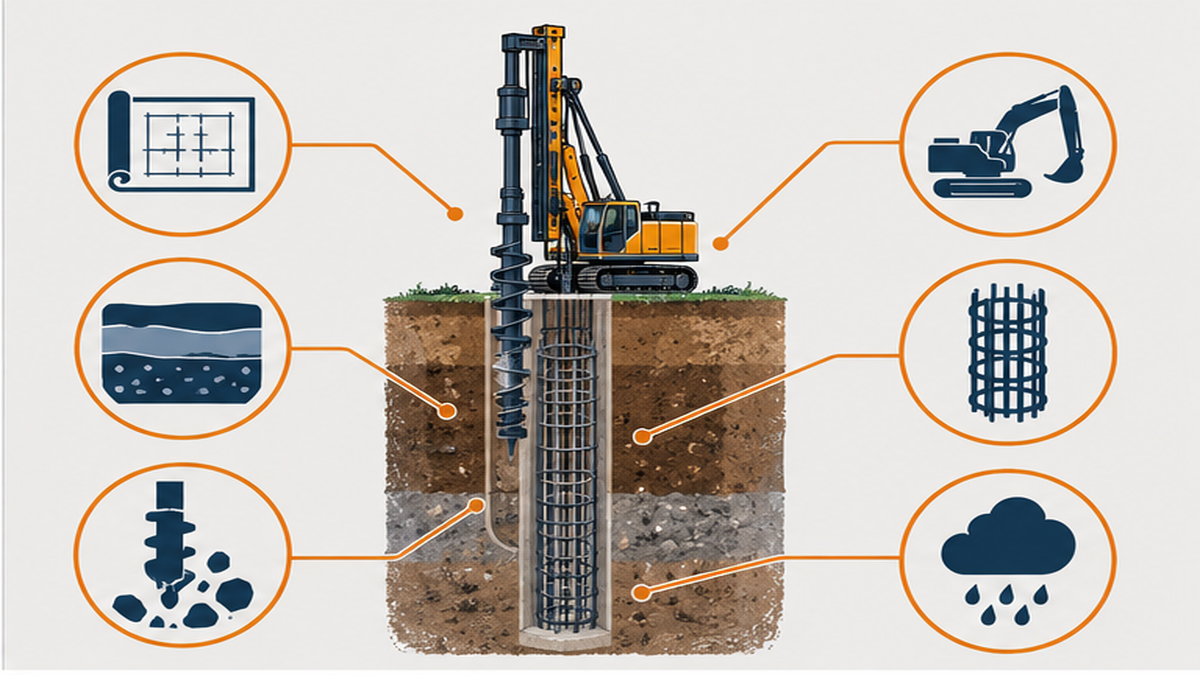
Several major variables dictate the estimate for drilled shafts and foundation caging. We evaluate these directly from your plan set and site visit.
| Cost Factor | How it affects your quote |
|---|---|
| Site Access & Logistics | Tight lots require smaller machines, double-handling of materials, and longer drilling times. |
| Soil Conditions & Geotech | Unstable soils, rock layers, or high water tables dictate the drilling method and casing needs, such as utilizing a Drilled Shaft Caisson. |
| Material Volume & Haul-off | Clean soil removal costs less than sorting and hauling mixed demolition debris or concrete rubble. |
| Shaft Depth & Caging Specs | The structural engineer's load ratings determine the steel caging complexity and concrete volume required. |
| Schedule Pressure | Expediting work before a foundation pour often requires extra crews and machines on site. |
Material type and haul-off logistics are often the largest line items. Removing clean dirt is straightforward, but if we hit buried foundations or hazardous materials, disposal fees and permitted facility requirements increase the quote. Site access also plays a massive role. If our standard drilling rigs cannot fit, we have to mobilize specialized equipment or phase the work, which adds labor hours. Finally, weather and schedule pressure impact the bottom line. Pushing to complete drilling and caging before a strict foundation pour deadline means running extra crews, which shifts the final cost.
What a Professional Earthworks Quote Includes
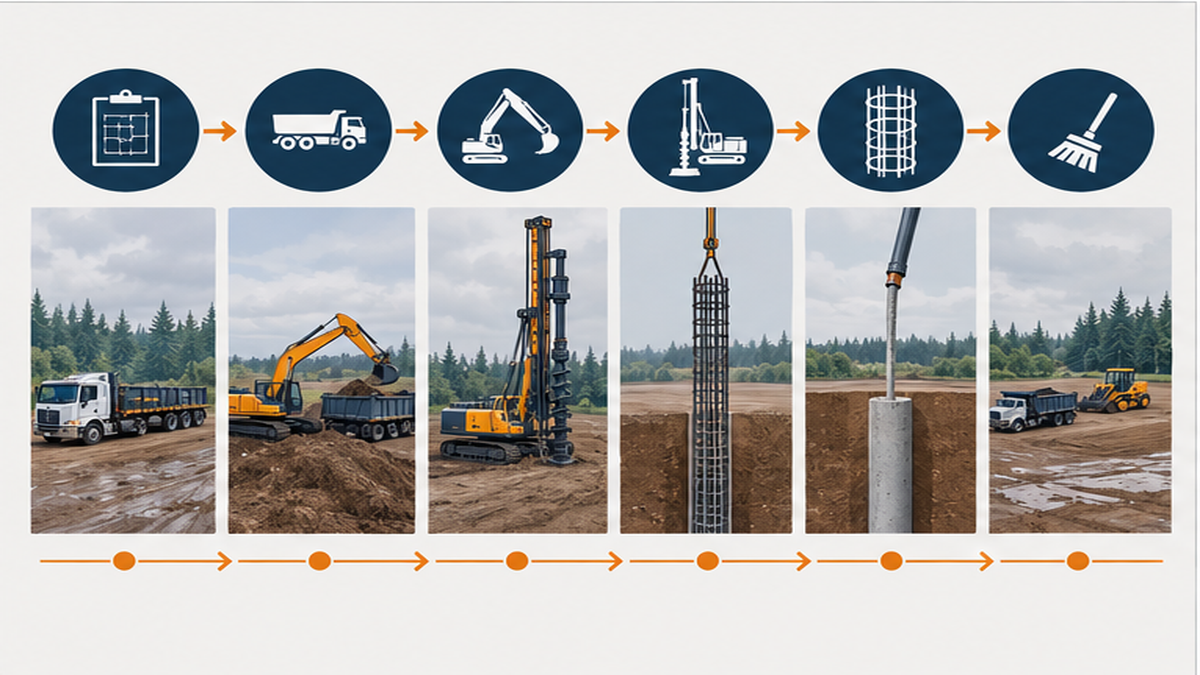
A professional earthworks quote should cover the entire scope from mobilization to final cleanup. When we bid drilled shafts and caging for developers and general contractors in Washington and Oregon, the estimate includes the heavy equipment required for the specific shaft diameter, whether it is a standard drilled pile or Auger Cast Piles. It covers the layout based on your engineer's stamped drawings, the drilling process, and the installation of the steel rebar caging.
We also include the logistics of soil removal—loading, hauling, and disposal fees for the displaced dirt. If your site requires temporary shoring or soldier pile walls to protect adjacent structures during the dig, we outline that clearly. You get a turnkey site package that leaves the project ready for the concrete contractor to pour the foundation.
Conditions That Increase Your Estimate
The fastest way a drilling budget expands is through unknown underground conditions. If the initial geotech report misses a dense rock layer or an underground spring, the drilling process slows down and requires different tooling. Discovering mixed demolition debris, old concrete rubble, or contaminated soil during excavation immediately triggers higher disposal fees. Learn more about this service and how groundwater management affects the pour.
Access constraints also drive up labor. If a lot in Kirkland is too narrow for standard trucks, we have to double-handle the soil, moving it with smaller machines before loading it for haul-off. Mid-project scope changes, like adjusting the pile layout because of unmarked utilities, will also require new engineering approvals and additional drilling time.
How to Control Site Preparation Costs
The best way to control your foundation costs is to have complete, stamped structural drawings and a thorough geotech report before requesting a bid. We are the installer, not the design engineer. When you provide clear documentation upfront, we can accurately price the exact steel caging, concrete volume, and drilling depth required without padding the estimate for unknowns.
Clearing the site of surface debris and ensuring wide, stable access for heavy machinery also reduces the labor hours we spend mobilizing and maneuvering. If you are early in the planning phase and do not have an engineer yet, let us know. We can recommend a licensed Washington firm to get your load ratings and soil testing done right the first time, preventing expensive redesigns later.
The Risks of Accepting the Lowest Bid
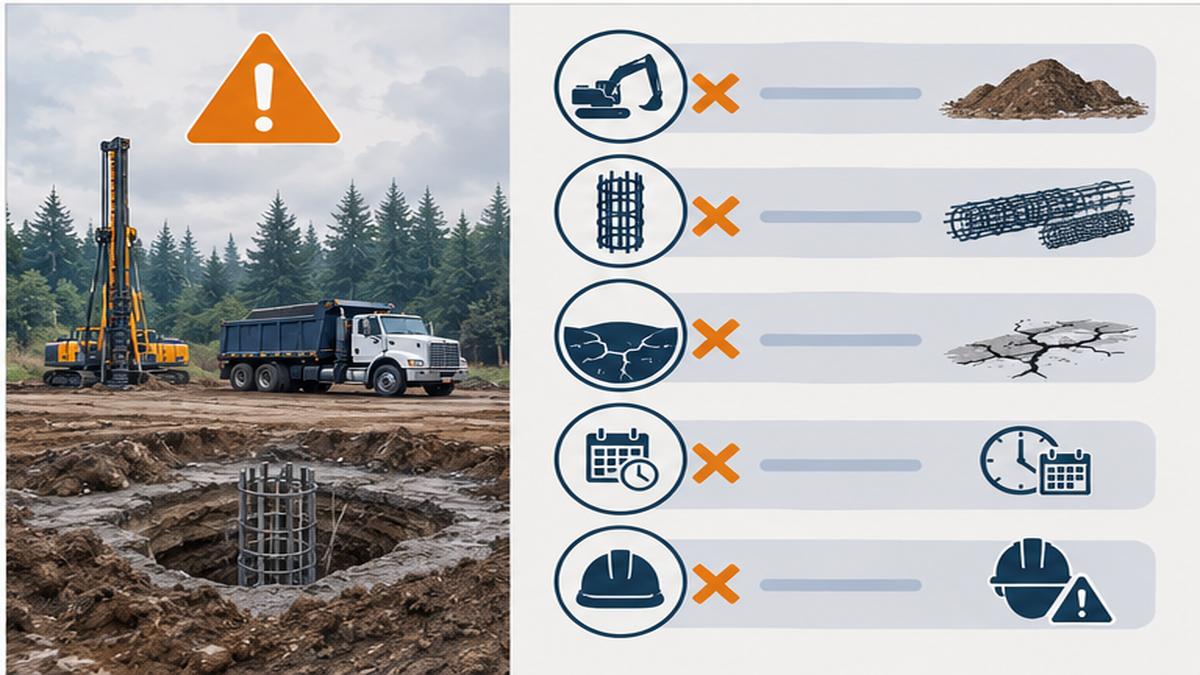
Accepting a cheap bid for heavy civil work usually leads to expensive change orders once the machines are on site. Low estimates often exclude the true cost of soil haul-off and disposal fees, leaving you with a massive unexpected bill when the dirt actually leaves the site. Some contractors will bid the drilling but omit the steel caging assembly or the temporary shoring needed to keep the site safe and compliant.
If a crew lacks experience with Washington's specific soil conditions, they may use the wrong drilling method, causing delays that cascade into your foundation and framing schedules. We provide a transparent, fixed estimate before work begins so you know exactly what the excavation, drilling, and site prep will take to complete correctly.
How to Prepare for Your Estimate
Because every lot has different soil and access constraints, a custom quote is mandatory for drilled shafts. Before we can give you a serious number, you need to gather your stamped structural drawings and your geotech report. Send the plan set and geotech by email so we can review the load ratings, pile depths, and soil realities.
If the access is tight or the soil conditions are complex, we will schedule a site visit to evaluate the logistics. Once we understand the exact scope and haul-off requirements, we deliver a detailed, fixed cost estimate. We respond within 24 hours on quote requests, so you can lock in your schedule and keep your project moving toward the foundation pour.
Common Questions About Foundation Drilling Costs
How much does it cost to build a 1500 sq ft house in Washington state?
What should I know about Drilling & Caging?
How long does Drilling & Caging take?
How do I get an estimate?
Ready to Review Your Plan Set?
Payment Milestones for Earthworks
Heavy civil and commercial earthworks projects operate on strict contract terms rather than consumer financing plans. We work directly with developers, general contractors, and private landowners, establishing clear payment schedules tied to project milestones. Your fixed estimate will outline the exact mobilization deposits and progress payments required as we complete the excavation, drilling, and caging phases. By setting transparent terms upfront, we ensure there are no surprises and that the site preparation stays fully aligned with your overall construction budget.
How Schedule Pressure Affects Your Quote
Tight schedules directly impact the final cost of site preparation. If your foundation pour is fast approaching and you need the drilled shafts completed on an accelerated timeline, we may need to deploy additional crews or run multiple drilling rigs simultaneously. Expediting equipment mobilization and coordinating rapid soil haul-off requires intense logistical management, which shifts the budget. When you provide your plan set and geotech report early, we can schedule the heavy equipment efficiently, helping you avoid the premium costs associated with rushed, last-minute earthworks.