
Ground Stabilization Due To Fatty Clay Cost Guide
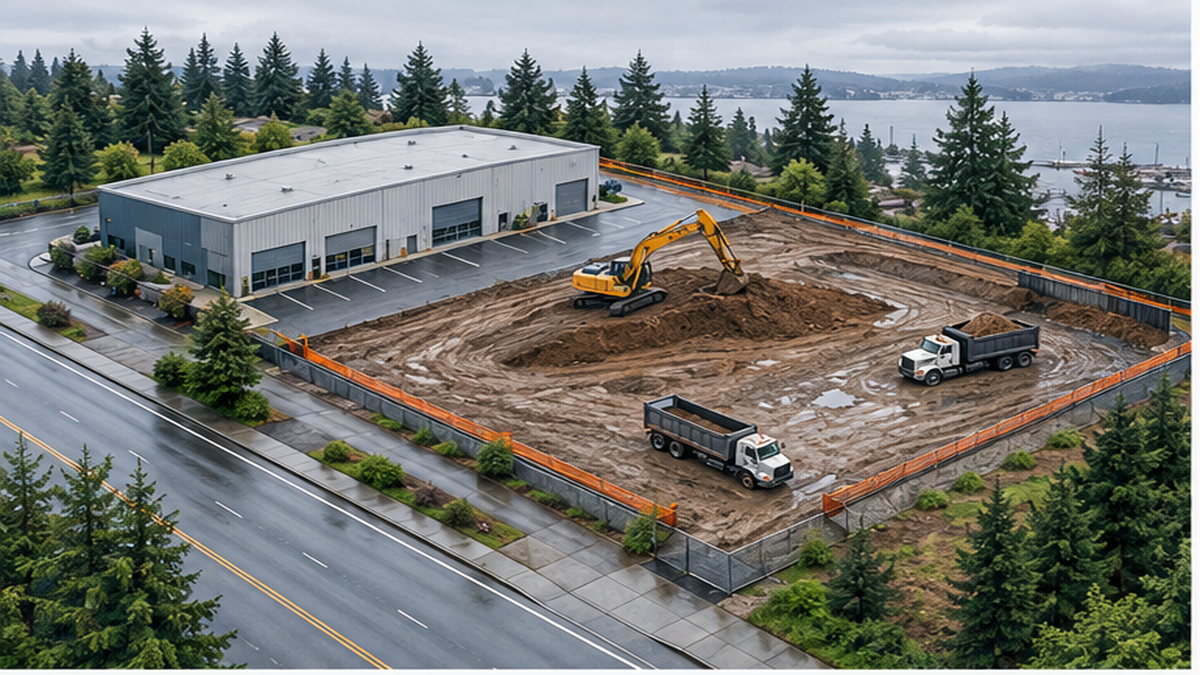
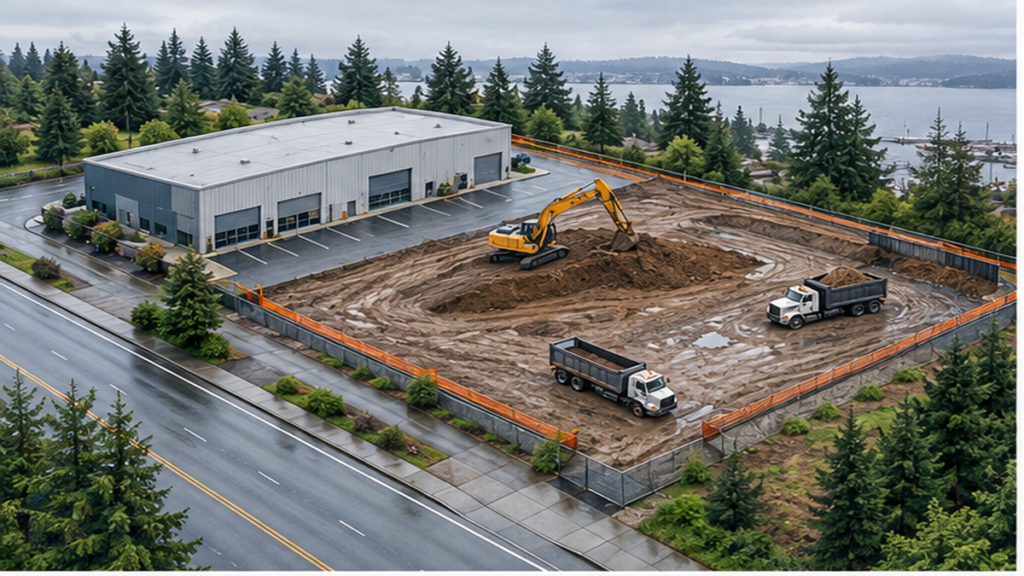
When fatty clay soils threaten to delay your foundation pour or destabilize a slope, you need to know what ground stabilization will cost to keep the project moving. There is no flat online rate for this work. In Washington and Oregon, ground stabilization due to fatty clay cost depends entirely on your geotech report, site access, and the specific shoring method required—whether that means a soldier pile wall, sheet piles, or extensive soil removal.
We are the heavy civil installer, not the design engineer. We price projects based on stamped drawings and actual soil realities. This guide explains the variables that dictate your final number, what to check before calling a contractor, and the specific documents you need to prepare before requesting a fixed estimate.
Why Ground Stabilization Quotes Vary So Much
Fatty clay retains water and expands, making it highly unpredictable during excavation. Two sites with the exact same square footage can receive vastly different quotes based on how the clay behaves and what the structural engineer requires to secure the site. If one site has easy access for heavy drilling equipment and the other requires double-handling material on a tight urban lot, the labor and machine hours shift dramatically.
Furthermore, the volume of soil haul-off and the specific permitted disposal sites for wet, heavy clay impact the bottom line. Heavy clay costs more to transport and dump than clean, dry fill. We review your plan set and geotech report to understand these exact site constraints before putting a number on paper. Without those documents, any price given over the phone is just a guess.
Main Cost Factors for Fatty Clay Stabilization
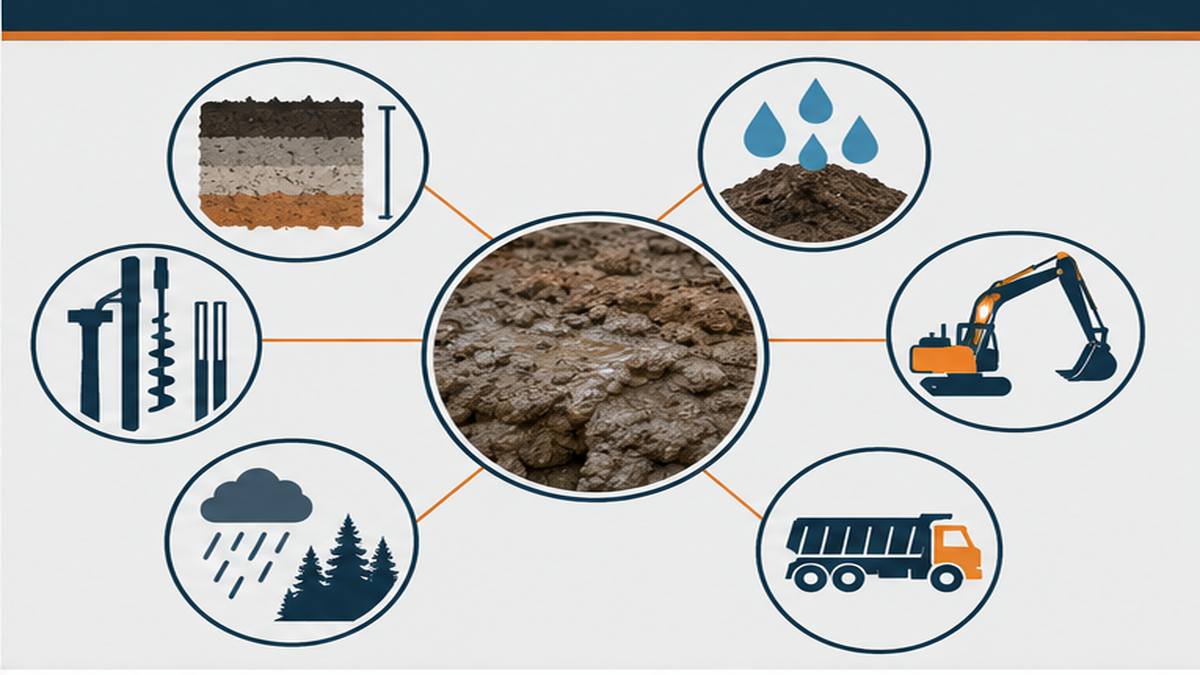
Several distinct variables drive the cost of stabilizing fatty clay soils. We evaluate each of these factors during our scope review to build your fixed estimate.
| Cost Factor | How it Affects Your Quote | Typical Impact |
|---|---|---|
| Geotech Requirements | Dictates the shoring method (soldier piles, tiebacks, sheet pile) and depth of drilling. | Often the largest line item |
| Site Access | Determines if we can use large, efficient machines or if we must use smaller equipment and double-handle material. | Moderate to Higher |
| Soil Volume and Weight | Fatty clay is heavy. Disposal fees are based on weight and the specific permitted facilities that accept it. | Higher |
| Weather Conditions | Wet clay turns into unworkable mud, requiring specialized mats or extra time to navigate the site safely. | Varies widely |
| Schedule Pressure | Rushing the earthworks phase before a foundation pour may require extra crews and expedited material delivery. | Moderate to Higher |
Material type and disposal fees are major drivers. Hauling away saturated clay costs significantly more than moving clean, dry soil. Access constraints also play a massive role; if we cannot get standard trucks close to the excavation zone, the extra time spent moving dirt across the site will increase labor costs.
What a Professional Stabilization Quote Includes
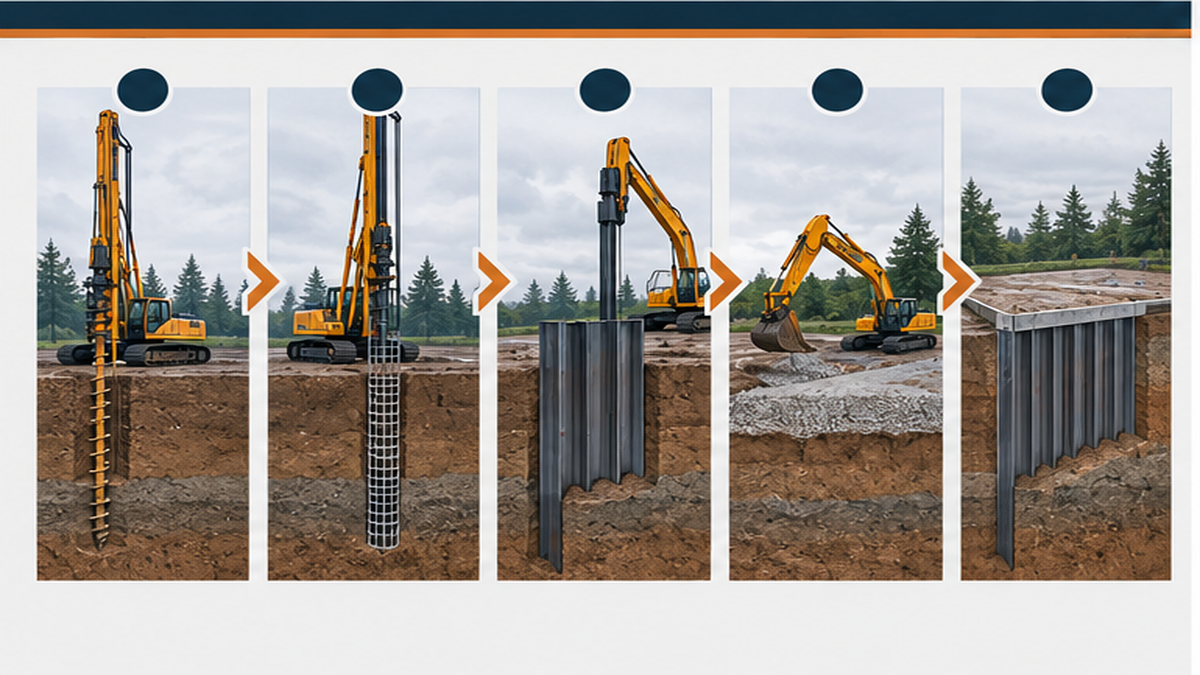
A turnkey earthworks and shoring quote from Ruffhouse Construction LLC covers the complete installation scope required to secure your site. This typically includes site preparation, mobilization of heavy drilling equipment, excavation, and the installation of soldier piles, lagging, or sheet piles as dictated by your plans. It also covers the loading and hauling of excavated clay to permitted disposal sites.
We include quality control, project documentation, and warranty terms on the completed work. What is not included is the structural engineering or design stamps. We are the heavy civil installer; you must secure the stamped designs and geotech report from a licensed Washington or Oregon engineering firm before we can finalize the installation plan and provide a fixed estimate.
What Can Increase Your Ground Stabilization Costs
Discovering buried foundations, old debris, or encountering worse-than-expected soil saturation during excavation will escalate costs. If weather conditions turn the fatty clay into an unworkable hazard, schedule pressure before a foundation pour might require extra crews or specialized timber mats to keep heavy machines from sinking into the mud.
Hazardous or contaminated material handling also requires specific disposal protocols that add significantly to the baseline haul-off fees. Tight urban lots that force us to double-handle material—moving it from the dig site to a staging area before loading it into trucks—will always increase labor hours and equipment time. Finally, mid-project design changes or lacking a clear plan set from the start will inevitably lead to costly delays and change orders.
How to Control Earthworks and Shoring Costs
The most effective way to control ground stabilization costs is to have a complete, stamped plan set and a thorough geotech report before requesting bids. Guesswork leads to inflated contingencies. When you provide clear documentation upfront, we can price the exact scope without padding the numbers for unknowns.
If your site allows for practical alternatives—like benching the slope or installing a standard Contractor Retaining Wall instead of a complex soldier pile system—we will point that out during the scope review. You can also control costs by ensuring clear site access, allowing larger trucks and drills to operate efficiently rather than relying on smaller, slower equipment. Finalizing your design before mobilization is the best defense against budget overruns.
The Risks of the Lowest Bid on Fatty Clay Sites
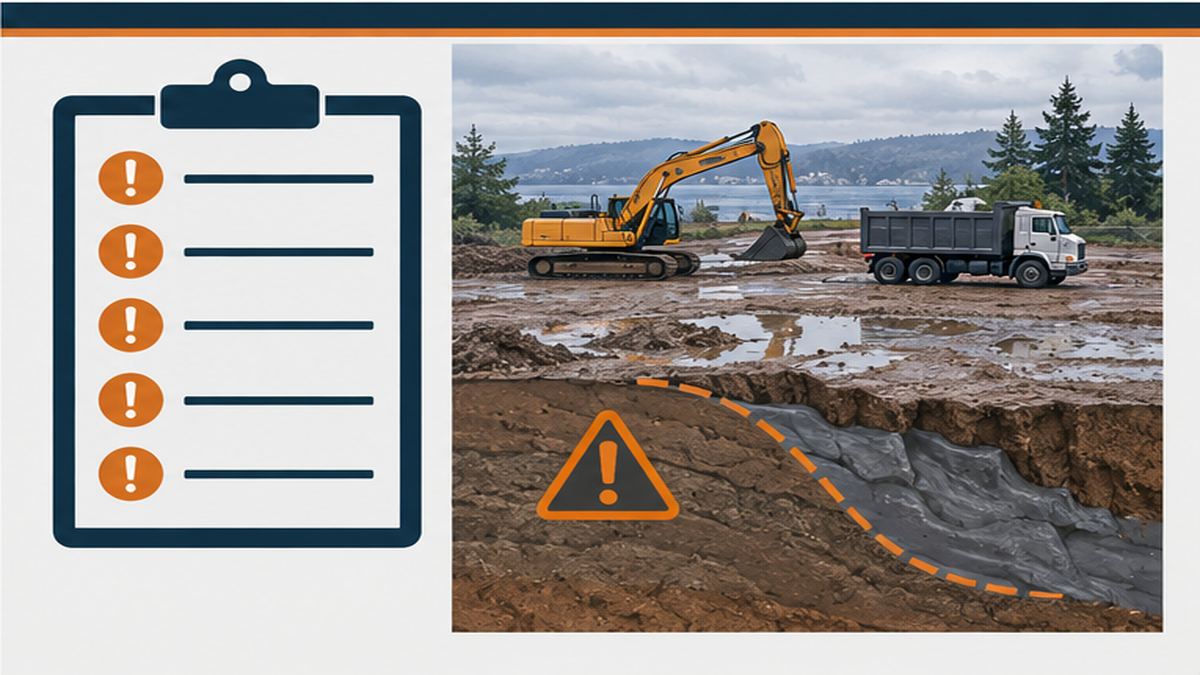
Accepting a lowball bid on fatty clay stabilization often results in mid-project change orders and blown schedules. Cheap bids frequently omit the true cost of heavy soil disposal fees or underestimate the machine hours required to navigate unstable, wet ground. If a contractor promises a firm price without reading your geotech report or reviewing stamped plans, they are guessing.
When the soil fails, the shoring shifts, or the contractor walks off the job because they underbid the haul-off fees, the resulting delays cascade into your foundation and framing schedules. This costs far more than doing the heavy civil work right the first time. Learn more about this service and why hiring a specialized installer with transparent, fixed pricing is critical for complex soil conditions.
When and How to Request a Custom Estimate
You need a custom quote when you have your engineering documents in hand and are ready to move from design to installation. To get an accurate number, you must prepare your stamped drawings, plan set, and geotech report. Email these documents to our team so we can review the scope.
We will schedule a site visit if access constraints or soil unknowns require a closer look. Once we understand the engineering requirements and site realities, we provide a transparent, fixed estimate before any work begins. Note that if you are planning an unrelated backyard project like an Above Ground Pool Deck Construction, that requires a different type of contractor—we focus strictly on heavy civil earthworks, shoring, and commercial retaining structures.
Common Questions About Ground Stabilization
How is Shoring & Stabilization priced in my area?
What should I know about Shoring & Stabilization?
How long does Shoring & Stabilization take?
How do I get an estimate?
Ready for a Fixed Estimate? Send Your Plans and Geotech Report
Payment and Project Funding
Heavy civil earthworks, soldier pile installations, and commercial shoring projects are typically funded through construction loans, developer capital, or municipal project budgets. We operate on clear payment schedules tied to specific project milestones, which are outlined in your fixed written estimate.
We do not offer in-house consumer financing. Our focus is on delivering transparent, fixed pricing upfront so general contractors and developers can manage their project budgets accurately without worrying about hidden installation fees.
How Project Timelines Impact Your Costs
Rushing a ground stabilization project in wet weather or before proper site preparation is complete will inevitably increase your costs. Schedule pressure before a foundation pour often requires us to deploy extra crews, use specialized equipment mats to navigate muddy clay, and pay for expedited material delivery.
Planning your earthworks phase during drier months or allowing adequate time for standard drilling and caging can keep labor and equipment mobilization costs in check. When you provide your plan set early, we can lock in a realistic schedule that avoids the premium costs associated with emergency shoring or rushed excavation.