
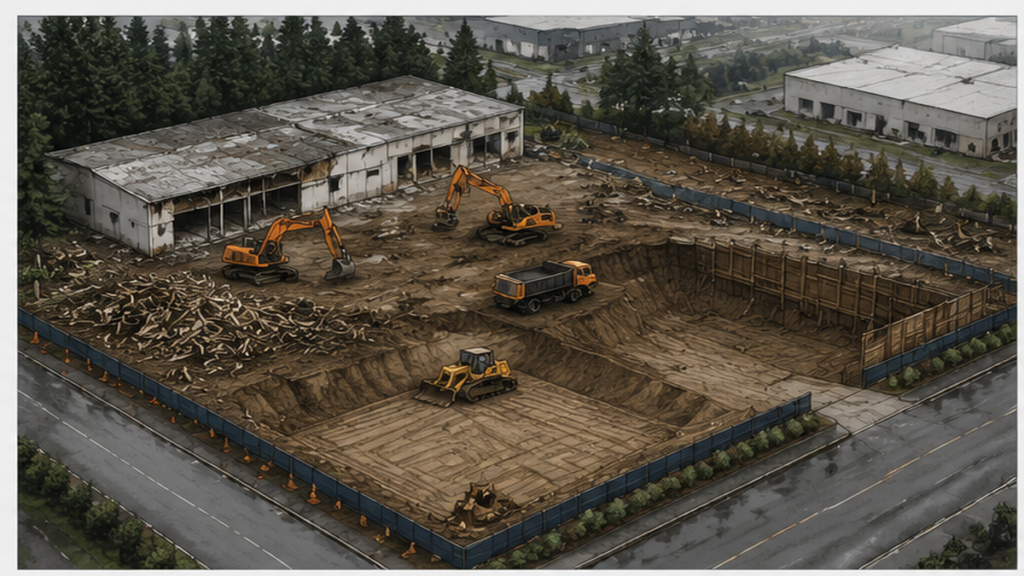
Clearing the Site: Earthworks and Demolition Costs
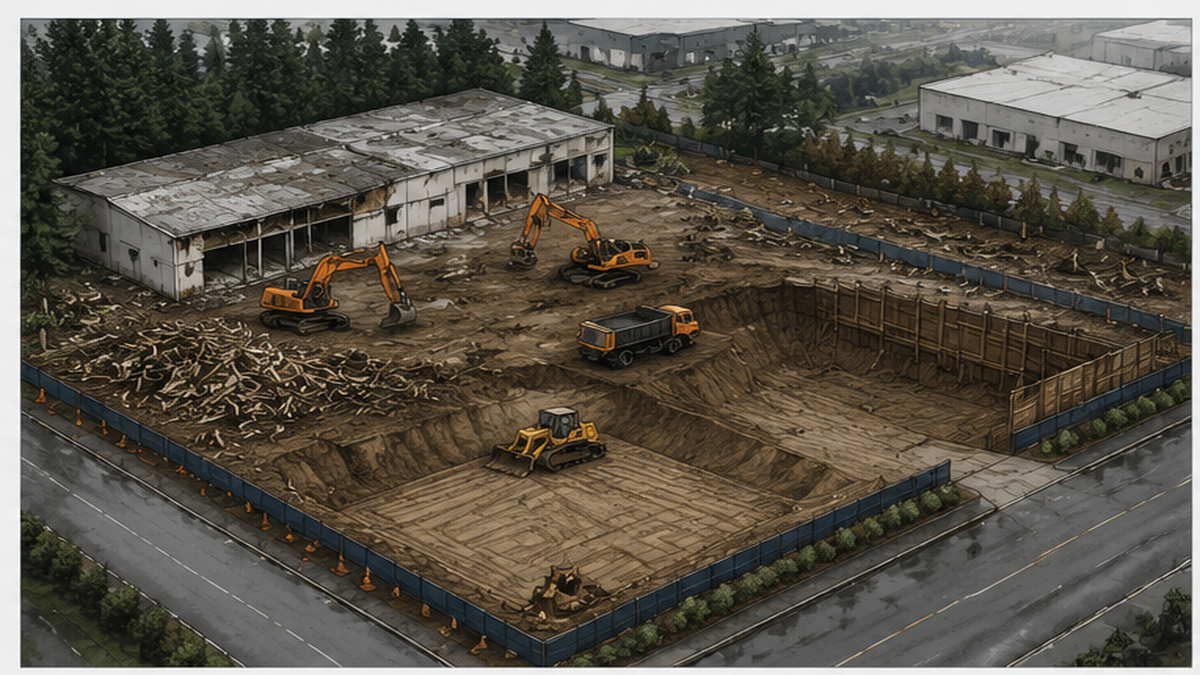
Developers and general contractors facing old structures blocking new build costs in Washington State need to know exactly what it takes to clear the site and prep for the foundation. The cost to demolish an existing building and haul off the soil depends entirely on material weight, disposal facility fees, and lot access. We do not post blind online price lists because every site has different soil realities and logistical constraints. Instead, we review your plan set and geotech report to provide a fixed estimate before work begins.
A successful earthworks package requires more than just knocking down walls. It involves managing the transition from an occupied lot to a dig-ready site. Whether your project requires standard Demolition & Soil Removal or complex shoring to protect neighboring properties, the quote must reflect the actual engineering requirements. We serve King, Pierce, and Snohomish counties, delivering transparent pricing based on hard data rather than guesswork.
Why Two Identical Lots Quote Differently
Two teardowns on the same street in Federal Way can result in completely different earthworks quotes. The difference usually comes down to what is buried underneath the surface and how easily our heavy machinery can access the footprint. If one lot features clean soil and wide street access, the excavation and haul-off proceed rapidly. If the neighboring lot sits on a steep slope requiring soldier piles, or contains mixed demolition debris and concrete rubble, the disposal fees and labor hours increase significantly.
We evaluate these variables during our site assessment to ensure the number we give you holds up throughout the project. When hiring a Construction Debris Removal Company or a full-package earthworks contractor, you must confirm that the bid accounts for the actual soil conditions. Weather also plays a major role; rain turns loose dirt into heavy mud, which drastically increases the tonnage and subsequent disposal fees at the facility.
Primary Drivers of Site Preparation Quotes
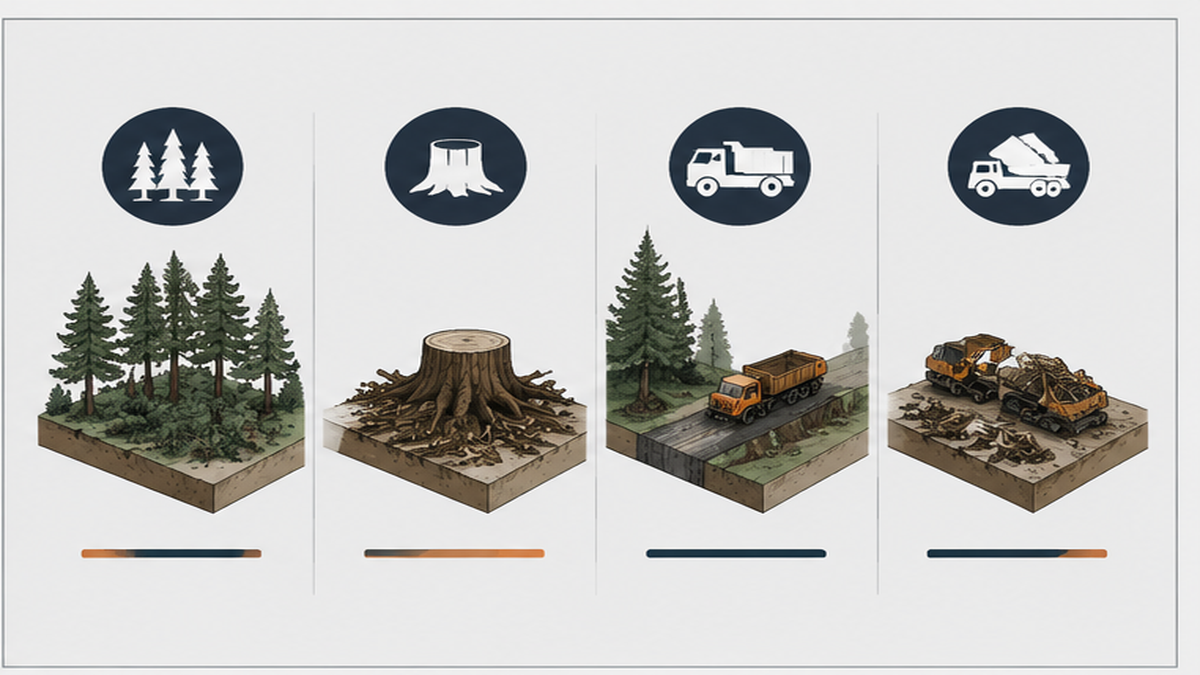
Heavy civil and demolition quotes are built on specific, measurable variables. We calculate the exact requirements of your site to determine the final number. If you are comparing an American Demolition & Site Services Llc bid or another local estimate, verify that the following factors are clearly itemized.
| Cost Factor | How It Affects Your Quote | Typical Impact |
|---|---|---|
| Material Type | Clean soil is cheaper to dump than mixed demolition debris or concrete rubble. Sorting materials on site requires extra labor but can reduce facility fees. | Often the largest line item |
| Volume and Weight | Land clearing and haul-off are priced by the tonnage at the disposal facility. Wet weather increases soil weight, driving up costs. | Varies widely based on weather and scope |
| Site Access | Tight lots require smaller machines and double-handling of materials. Limited street access slows down the cycle time for dump trucks. | Moderate to higher |
| Hazardous Materials | Contaminated soil or hazardous building materials require specialized handling and transport to specific permitted disposal sites. | Higher |
| Buried Obstacles | Hidden foundations, old utility lines, or unstable soils discovered on site require extra excavation, breaking, and stabilization work. | Moderate to higher |
What a Professional Earthworks Package Covers
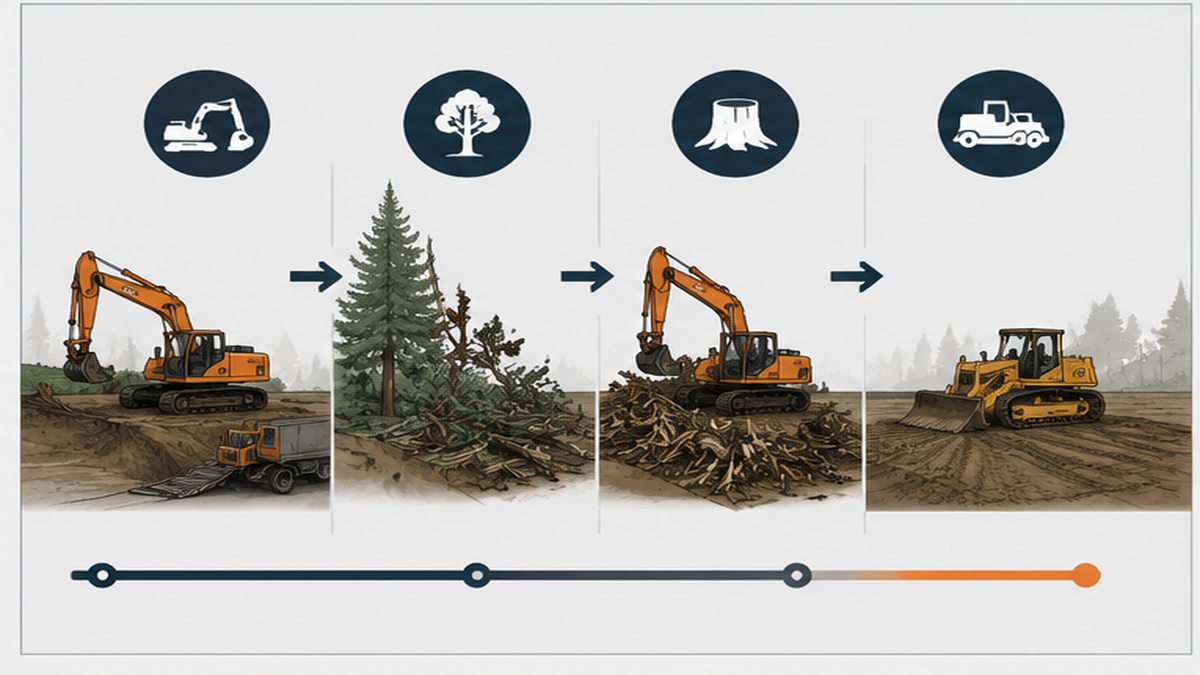
A comprehensive site demolition and soil haul-off package covers the complete transition from an existing structure to a clean, dig-ready footprint. This includes the physical teardown of the old building, loading and transporting all debris to permitted disposal sites, and the initial grading required for the new build. We handle the heavy equipment logistics and coordinate the soil removal so your framing and foundation crews can step onto a properly prepped site.
Our scope review identifies exactly what stays and what goes. A standard package includes securing the perimeter, managing dust and runoff during demolition, and executing the excavation to the depths specified in your plan set. We also manage the trucking routes to minimize disruption to the neighborhood while keeping the haul-off cycle efficient. Learn more about this service to see how we integrate land clearing with heavy civil excavation.
Conditions That Expand the Project Scope
The biggest budget impacts come from the ground itself. Unstable soils, buried concrete from previous builds, and hazardous materials require specialized handling and specific permitted disposal sites. Water management and slope stabilization also play a major role in Washington and Oregon. If your site requires temporary shoring or soldier pile walls to hold back the earth while we remove the old structure, the engineering and steel requirements will increase the overall site preparation cost.
Schedule pressure is another significant factor. If you need an old structure removed and the soil hauled off immediately to meet a tight foundation pour deadline, we must deploy extra crews and machines. Rushing the demolition phase increases labor costs and logistical complexity. Additionally, discovering undocumented utility lines during the dig requires immediate work stoppage and coordination with local municipalities, which impacts the timeline and budget.
How to Keep Site Preparation Budgets in Check
The best way to control your site preparation budget is to provide complete documentation upfront. Send us your stamped drawings and geotech report before we walk the site. When we know exactly what the soil composition is and where the new foundation lines sit, we can plan the most efficient machine access and disposal routing. Guesswork during the bidding phase always leads to overruns during execution.
Separating clean soil from mixed debris during the planning phase also helps manage facility fees. If the structure can be systematically dismantled rather than crushed into the dirt, the resulting materials are easier and cheaper to haul away. Allowing a reasonable timeline for the earthworks phase prevents the need for expedited crew rates and oversized machinery rentals. Clear communication regarding the site boundaries and material staging areas ensures the heavy equipment operates efficiently from day one.
The Danger of Underbidding Earthworks
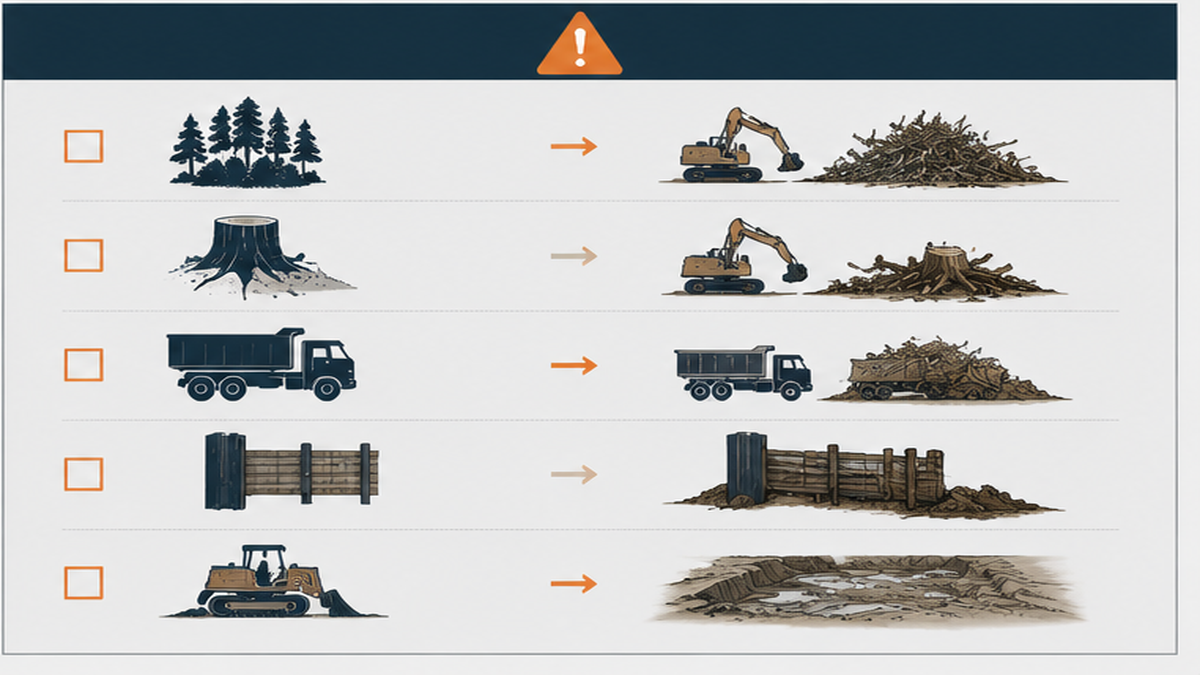
Accepting a cheap bid for demolition and soil removal often leads to mid-project change orders. Low estimates frequently assume ideal soil conditions and ignore the reality of Washington weather or buried debris. When a contractor hits an old foundation and has not accounted for the disposal weight, your project stalls. Contractors who underbid often lack the proper heavy equipment, leading to delays that cascade into your foundation and framing schedules.
Furthermore, cut-rate bids rarely include proper water management or shoring contingencies. If the excavation undermines an adjacent property because the contractor skipped the geotech review, the liability falls on the developer. We provide a fixed cost estimate before work begins, based on real engineering data, so your foundation timeline stays intact. A realistic upfront quote protects your overall construction budget far better than an artificially low initial bid.
Preparing for a Professional Site Assessment
Online calculators cannot accurately predict heavy civil earthworks. You need a custom quote based on hard data. To prepare for an estimate, gather your plan set, geotech report, and any existing site permits. Email these documents to our team. We are the installer, not the design engineer. If you do not have stamped drawings yet, start there; we can recommend a licensed Washington firm to get your project moving.
Once we receive your documents, we review the access constraints and soil realities. If the project involves complex retaining walls, tight access, or significant demolition, we will schedule a site visit. During this walkthrough, we verify the equipment requirements and disposal logistics. After this thorough scope review, we deliver a detailed, fixed estimate so you know exactly what the site prep will cost before any machines arrive.
Common Questions About Demolition and Haul-Off
How is Demolition & Soil Removal priced in my area?
What should I know about Demolition & Soil Removal?
How long does Demolition & Soil Removal take?
How do I get an estimate?
Ready to Clear Your Site?
Payment Structures for Heavy Civil Projects
We work directly with developers, municipalities, and general contractors on structured payment schedules tied to project milestones. Earthworks and site preparation require significant upfront mobilization of heavy equipment and materials, particularly when the scope involves steel for soldier piles or extensive soil haul-off. We outline all payment terms clearly in your written estimate, ensuring transparent fixed pricing before work begins.
For large-scale commercial retaining walls or municipal utility installations, progress payments are aligned with the completion of specific excavation and shoring phases. This keeps the project moving efficiently while providing financial clarity for the general contractor. We do not hide disposal fees or equipment transport costs; everything is detailed in the initial scope review so you can manage your construction budget effectively.
How Deadlines Impact Earthworks Pricing
Schedule pressure directly impacts your site preparation quote. If you need an old structure removed and the soil hauled off immediately to meet a tight foundation pour deadline, we must deploy extra crews and machines. Rushing the demolition phase increases labor costs and logistical complexity, especially if multiple dump trucks must coordinate on a tight residential street.
Providing your plan set early allows us to sequence the excavation and soil removal efficiently, keeping your overall earthworks budget under control. When we have the time to properly assess the geotech report and plan the disposal routing, we avoid the premium costs associated with emergency heavy equipment mobilization. Proper planning ensures the site is ready for the next trade without unnecessary financial strain on the project.