
Site Demolition Costs Guide
Developers and general contractors facing unstable soils or tight schedules before a foundation pour need to know exactly what site clearing and soil haul-off will require. Site demolition costs depend entirely on material type, disposal volume, and site access, rather than a flat per-square-foot rate. We do not publish blind online price lists because every lot in Washington and Oregon presents unique geotech realities. Instead, a firm number requires reviewing your plan set and assessing the property for buried foundations or hazardous materials. This guide breaks down the variables that shape your final proposal, from clean soil removal to tight-lot machine access, so you can prepare the right documents for a realistic bid.
Why Two Similar Lots Yield Different Proposals
Two identical-looking lots in Federal Way can yield vastly different bids based on what lies beneath the surface. Pricing shifts dramatically depending on whether we are hauling away clean soil or sorting mixed debris and concrete rubble. If your site requires double-handling materials due to narrow access, the labor hours and equipment requirements increase compared to a wide-open commercial parcel.
Furthermore, weather conditions and unexpected buried structures discovered during excavation force changes in the approach. A straightforward land clearing job scales differently than a complex teardown requiring hazardous material handling and permitted disposal routing. Because these variables dictate the heavy machinery needed and the disposal fees incurred at the facility, a blind online calculator cannot provide an accurate figure. We review your geotech report and stamped drawings to understand the exact soil realities and access constraints before assigning a dollar value to the work.
Primary Variables That Shape Your Earthworks Package
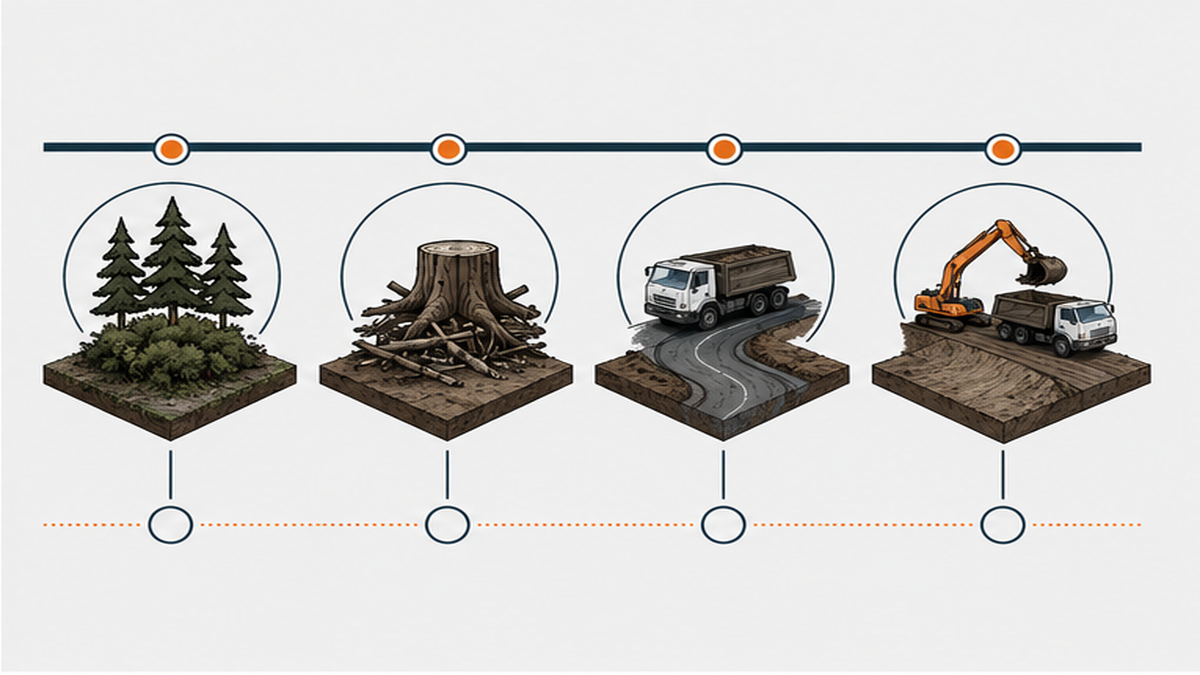
The final number for your earthworks package hinges on several distinct variables. When planning for construction debris management, understanding these factors helps you control the budget.
| Cost Factor | How It Impacts the Proposal |
|---|---|
| Material Type | Clean soil is simpler to haul away; mixed rubble and concrete incur higher facility processing fees. |
| Volume and Weight | The total tonnage at the disposal facility dictates the bulk of the transportation and tipping expenses. |
| Site Access | Tight lots requiring smaller machines or double-handling add significant labor hours to the project. |
| Preparation Level | Debris ready for immediate loading moves faster than active sorting and structural teardown. |
| Hazardous Materials | Contaminated soil requires specialized handling and specific permitted disposal sites, increasing logistics. |
| Subsurface Surprises | Buried foundations or unstable soils demand extra time, equipment, and engineering review. |
| Schedule Pressure | Rushing the site prep before a foundation pour requires extra crews and machines, raising the investment. |
What a Professional Earthworks Bid Covers
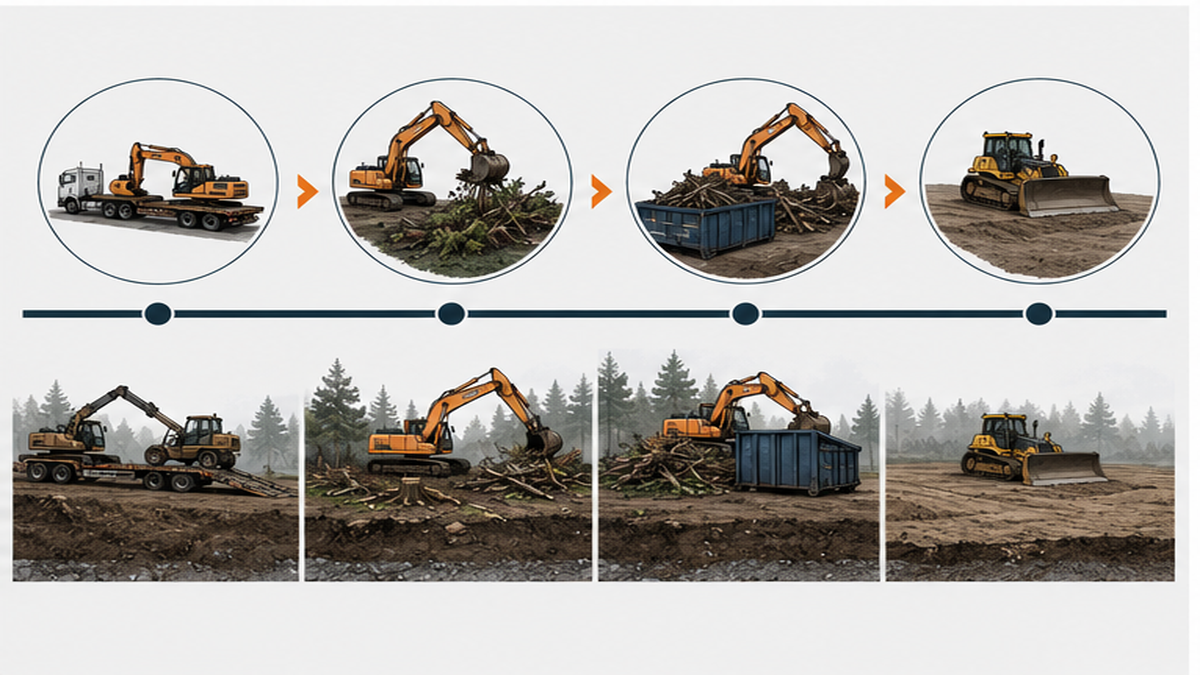
A comprehensive site preparation bid from Ruffhouse Construction LLC covers the entire earthworks scope required to get your lot ready for the next phase of building. This typically includes the initial site assessment, heavy equipment mobilization, active teardown of existing structures, and the loading of materials. We also factor in the logistics of soil haul-off and the specific facility fees for your material type.
Your written proposal outlines the labor for our crews, machine time, and the transportation required to clear the lot. It accounts for basic grading to leave the site stable for your foundation contractors. By reviewing your plan set and geotech reports upfront, we ensure the proposal encompasses the necessary steps to meet local compliance standards, leaving you with a clean, ready-to-build parcel. If you need a dedicated construction debris removal company to handle the heavy lifting, our bids detail exactly what leaves the site and how it gets processed.
Site Conditions That Increase the Investment
Several site-specific challenges can push the final number higher. Discovering buried concrete foundations, abandoned utilities, or contaminated soil during the initial dig immediately alters the equipment and disposal requirements. If your lot has narrow access roads or steep inclines, we frequently have to use smaller machines and double-handle the debris, which extends the timeline.
Rushed timelines also impact the bottom line. If you need the lot cleared on an accelerated schedule to meet a concrete pour deadline, deploying additional operators and trucks increases the overall labor investment. Furthermore, sorting mixed materials on site—separating wood, metal, and concrete—requires more active machine time than loading pre-sorted piles. Handling hazardous materials demands strict compliance and routing to specialized facilities, which carry higher tipping fees.
How to Manage Your Site Preparation Budget
The most effective way to control your earthworks budget is through thorough upfront planning. Providing a complete plan set and a recent geotech report allows us to foresee soil conditions and plan the most efficient machinery deployment. When we know exactly what we are digging into, we can avoid mid-project delays and equipment swaps.
You can also manage expenses by ensuring the site is fully accessible before our crews arrive. Clearing surface obstacles and securing staging areas for trucks minimizes the time our operators spend maneuvering. If your project involves multiple phases, consolidating the teardown and haul-off into a single continuous mobilization is more efficient than calling crews back for piecemeal work. Having a clear strategy for construction debris removal near me ensures that materials are processed swiftly, keeping the heavy machinery moving and the project on track.
The Hidden Risks of Discount Earthworks Bids
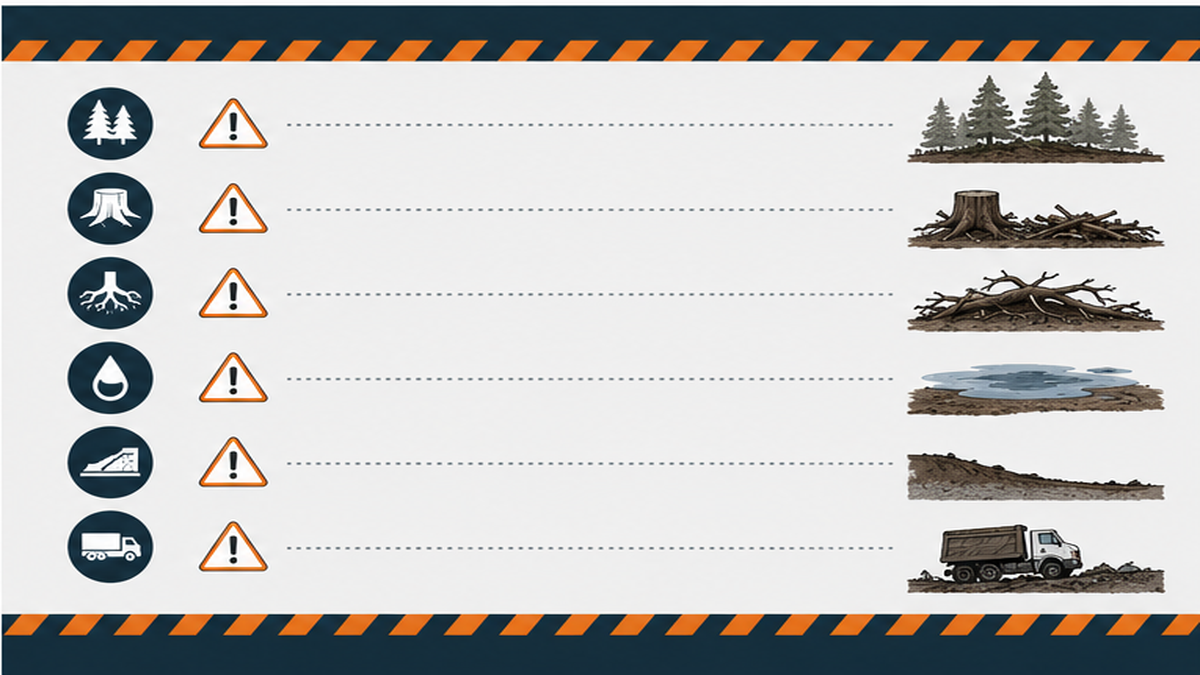
Accepting the lowest initial bid frequently leads to expensive mid-project corrections. Discount operators often omit critical line items like disposal facility fees, hazardous material handling, or the cost of importing structural fill if unstable soils are removed. When these missing elements surface during the dig, you face sudden change orders that blow past your original budget.
Cheap bids may also rely on undersized equipment, which drags out the timeline and jeopardizes your foundation pour schedule. Furthermore, inexperienced crews might fail to manage water runoff or properly stabilize the remaining slopes, leading to municipal fines or site damage. We provide a transparent, fixed proposal after reviewing your engineering documents so you know exactly what the job requires to stay compliant and on schedule. Learn more about this service and why proper documentation prevents costly surprises.
Preparing for a Site-Specific Proposal
A custom, site-specific proposal is mandatory for any commercial or residential teardown. To get started, email us your stamped drawings, plan set, and geotech report. We review the access constraints and soil realities to determine the exact machinery and disposal logistics required.
If the access is tight or the soil conditions are unknown, we will schedule a site visit to assess the property firsthand. We are the heavy civil installer, not the design engineer, so having your structural documents ready is the first step. Once we evaluate the engineering requirements and site logistics, we provide a fixed written proposal before any machines mobilize. This ensures your project moves forward with contracted timelines and clear expectations.
Common Questions About Site Preparation
What determines the cost of this project?
What should I know about Demolition & Soil Removal?
How long does it take to demolish a 30 by 40 feet house?
How do I quote a demolition job?
Ready for a Fixed Earthworks Proposal?
Payment Milestones and Documentation
Heavy civil earthworks and site clearing represent a significant portion of your initial build budget. Because we work closely with developers, general contractors, and private landowners, we structure our payment schedules to align with major project milestones. Your fixed written proposal will clearly outline the deposit requirements for mobilization and the subsequent draws tied to specific phases of the teardown and haul-off. We do not offer direct consumer financing, but our transparent documentation ensures you have the exact figures needed to secure your construction loans or commercial funding.
How Your Schedule Impacts the Final Number
Your project schedule directly influences the total investment required for site clearing. If you need a lot prepped on an accelerated timeline to meet a concrete pour date, we must deploy additional operators and heavy machinery, which increases the labor allocation. Conversely, allowing a standard, continuous mobilization keeps operations efficient and avoids the premium associated with rushed deployments. Weather also plays a critical role; attempting to haul wet, heavy soil during the rainy season can slow down trucks and increase disposal weights. By planning your earthworks phase during optimal conditions and providing your geotech reports early, you help us maintain a steady, predictable pace.