
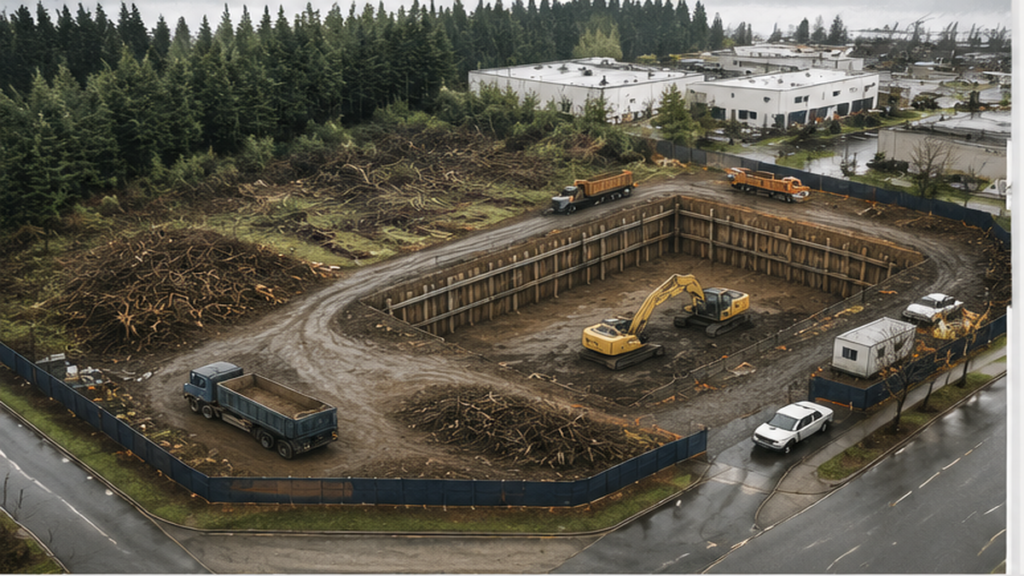
Securing Your Site: Deep Excavation Shoring Costs
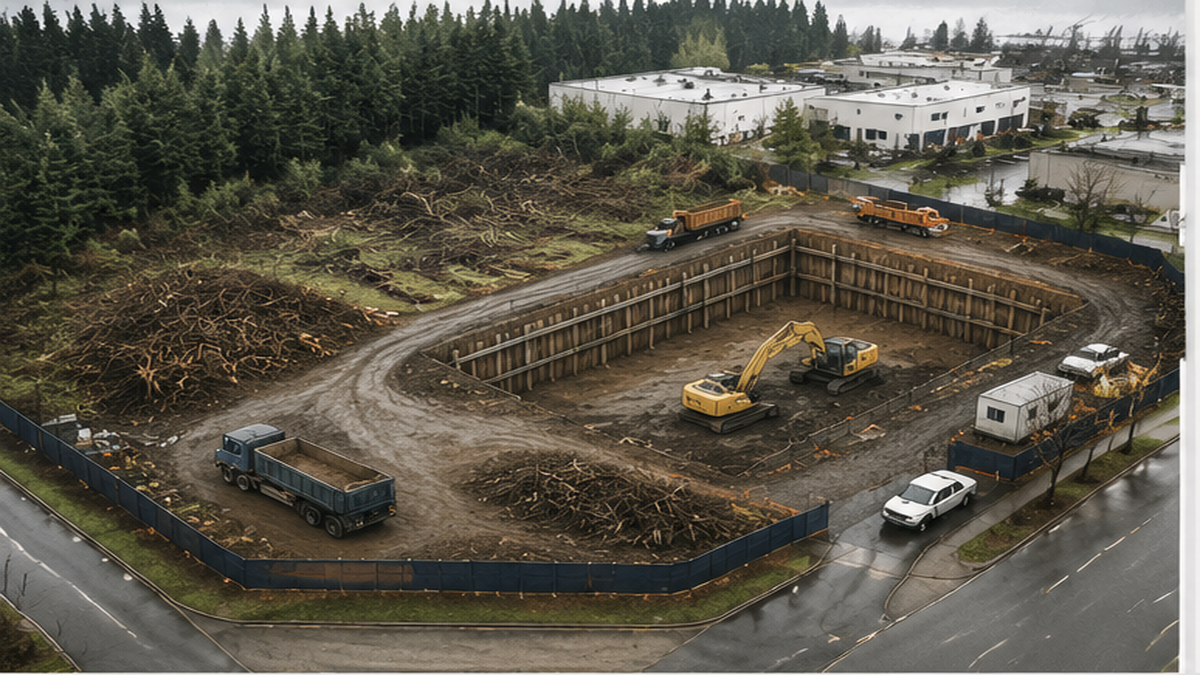
When you are dealing with unstable soils or tight schedules before a foundation pour, securing a reliable deep excavation shoring system is your first priority. If you need shoring for deep excavation cost in Washington State, the direct answer is that there is no public price list or flat per-foot rate. Every site requires a custom quote based on stamped plans and a geotechnical report. Costs depend heavily on material type, site access, and the volume of soil being moved. We are the installer, not the design engineer, so our process starts with your documents. By reviewing your plan set first, we can provide a fixed estimate before work begins, ensuring your foundation and framing phases stay on track.
Why Shoring and Stabilization Quotes Vary
Two deep excavation sites with the exact same square footage can receive vastly different quotes. The primary reason price varies is the unpredictability of sub-surface conditions. If our crew discovers buried foundations, large debris, or highly unstable soils, the scope of drilling and caging changes immediately. Furthermore, site access dictates the size of the machinery we can deploy. A wide-open commercial lot allows for large-scale equipment, while a tight urban space might require smaller machines and double-handling of materials. Volume and weight at the disposal facility also fluctuate based on whether the soil is clean or mixed with demolition debris. To avoid rush charges and schedule delays, it is critical to lock in your geotech assessment early so we can match the right equipment to your specific site constraints.
Core Cost Drivers for Deep Excavation
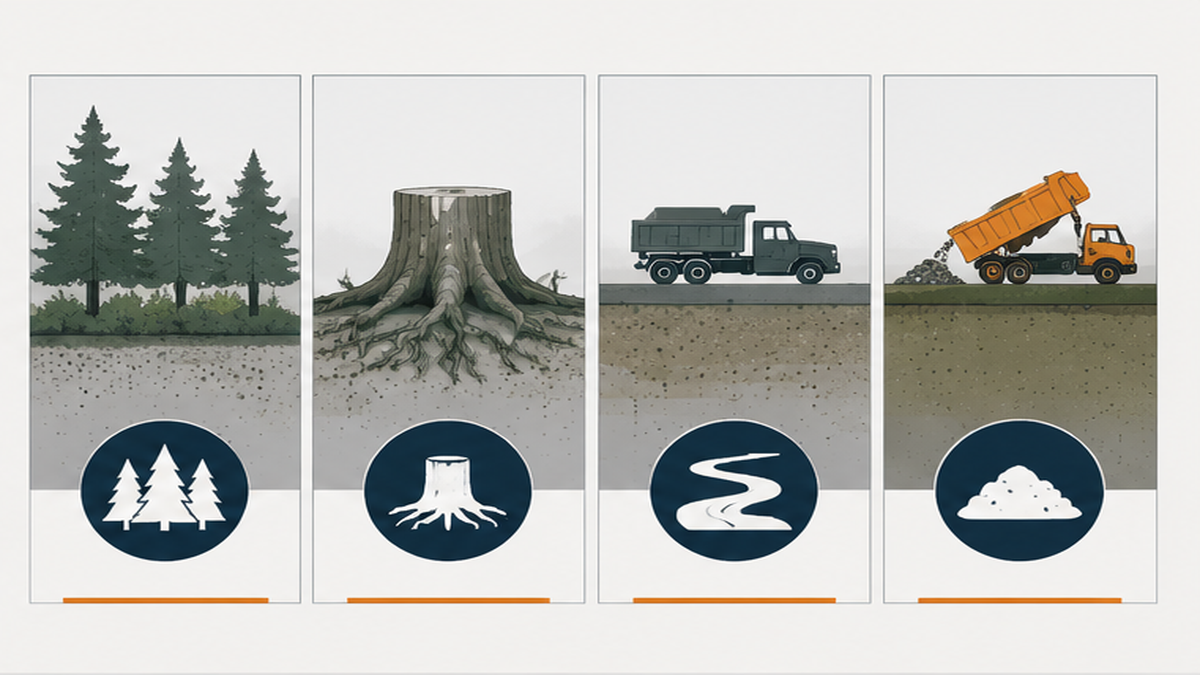
Our detailed cost estimate accounts for several strict variables before we break ground. We evaluate these factors during our initial scope review to ensure accurate, fixed pricing.
| Cost Factor | How It Impacts Your Quote |
|---|---|
| Material Type & Volume | Clean soil is standard to haul, but mixed demolition debris or concrete rubble increases disposal fees based on weight at the facility. |
| Site Access | Tight lots that restrict truck or machine size force our crews into double-handling materials, which increases total labor hours. |
| Soil Conditions & Weather | Unstable soils, heavy rain, or buried foundations discovered on site require additional ground stabilization and water management efforts. |
| Hazardous Materials | Contaminated soil requires specialized handling protocols and transport to specific permitted disposal sites, raising logistics costs. |
| Schedule Pressure | Expedited timelines before a foundation pour often require extra crews and machines, increasing mobilization and labor line items. |
What a Professional Shoring Quote Includes
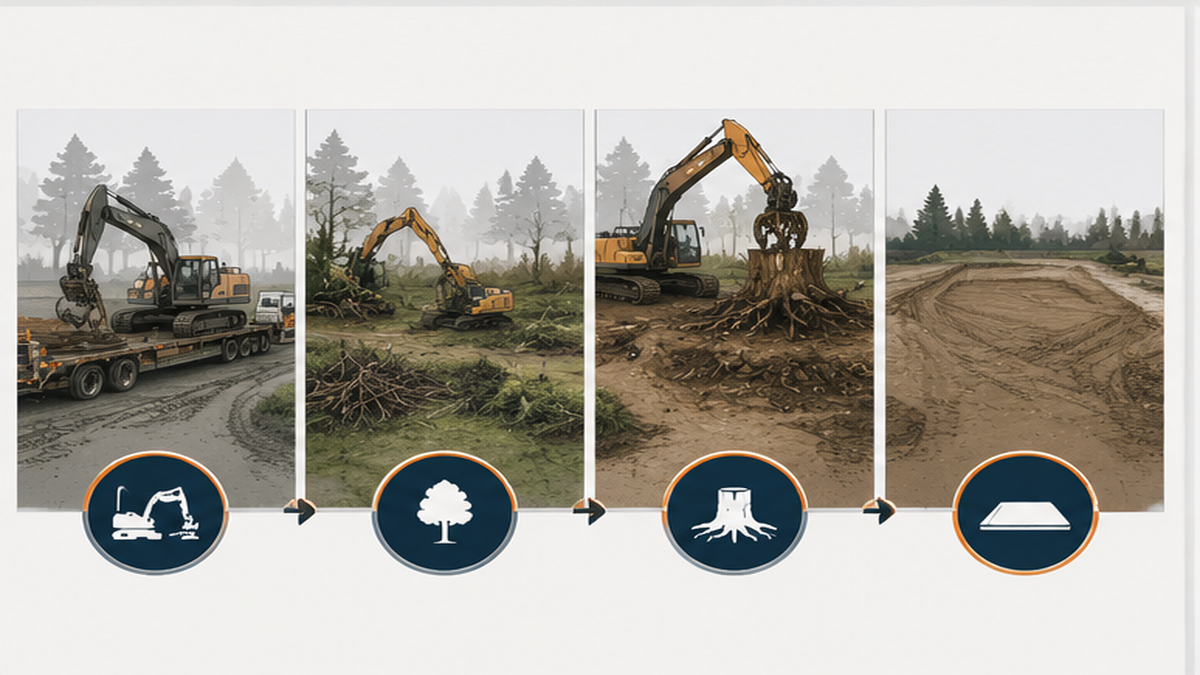
A turnkey earthworks package should cover every step from initial mobilization to final site handover. When you hire Ruffhouse Construction LLC for a soldier pile wall or sheet pile installation, your fixed estimate includes the complete scope of work. This typically covers the initial site assessment, heavy equipment transport, drilling and caging, and the installation of the shoring system itself. It also accounts for demolition and soil removal, ensuring that excavated dirt is properly hauled off to permitted facilities. We handle the utilities and drainage systems required to keep the excavation dry and stable. By bundling excavation, site prep, and shoring into one contract, developers and general contractors avoid the friction of coordinating multiple earthworks trades.
Site Conditions That Increase Your Estimate
Several hidden factors can drive up the cost of ground stabilization. The most common increase comes from discovering hazardous or contaminated materials that require specialized handling and permitted disposal sites. Poor site access is another major factor; if trucks cannot easily enter and exit the footprint, our crews must double-handle materials, which increases labor hours. Weather also plays a significant role in Washington and Oregon. Heavy rain can turn a standard excavation into a mud management challenge, requiring additional utilities and drainage systems to maintain a safe working environment. Finally, schedule pressure before a foundation pour can force the deployment of extra crews or machines. If you need to expedite the timeline, expect the mobilization costs to reflect that urgency.
How to Control Your Earthworks Budget
The most effective way to control costs on a deep excavation project is to provide complete, accurate documentation upfront. Having a finalized plan set and a comprehensive geotech report allows us to bid the job accurately without building in contingencies for unknown soil conditions. You can also manage costs by clearing the site of surface obstacles before our heavy equipment arrives, ensuring immediate access. For smaller residential projects, such as preparing a slope for Above Ground Pool Deck Construction, choosing the right retaining method—like a rockery instead of a full soldier pile wall—can optimize your budget. Consolidating your dirt work, demolition, and shoring with a single contractor also eliminates overlapping mobilization fees and keeps the project schedule tight.
The Hidden Risks of the Lowest Excavation Bid
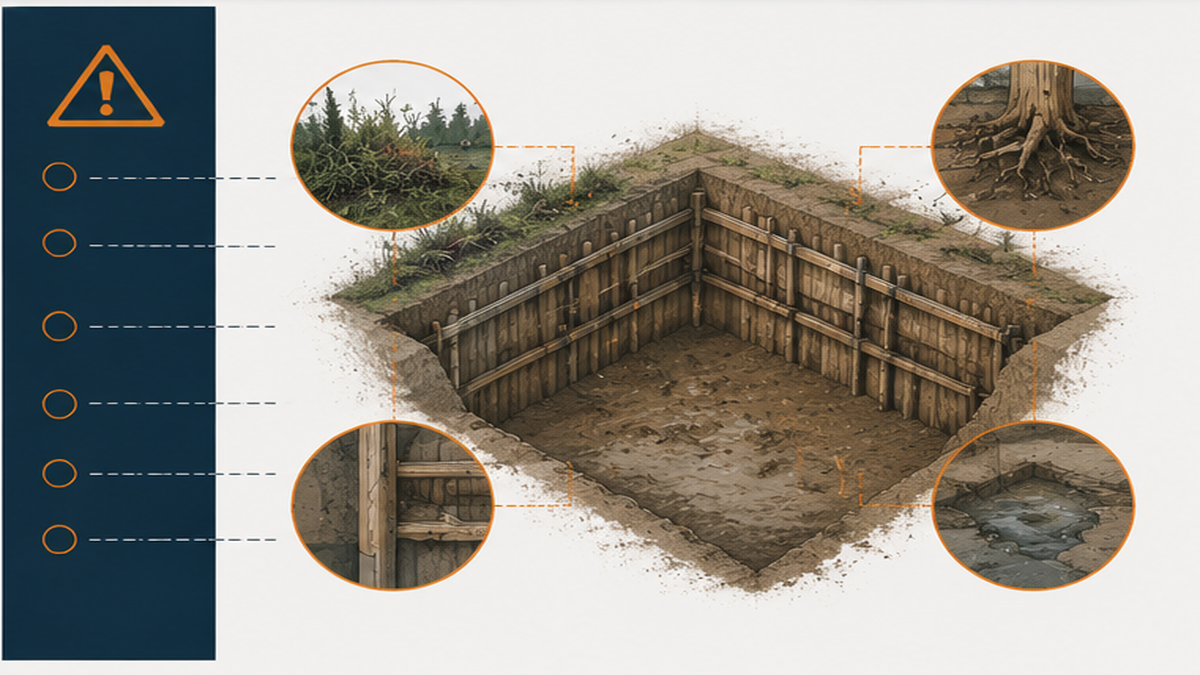
Choosing an earthworks contractor based solely on the lowest initial bid often leads to expensive change orders later. Budget-rate quotes frequently omit critical line items like volume and weight fees at the disposal facility, leaving you responsible for the final haul-off costs. A cheap bid might also ignore the realities outlined in your geotech report, resulting in inadequate ground stabilization that fails inspection. When a shoring system is not installed to the exact engineering specifications, the resulting excavation delay cascades into foundation and framing delays, costing developers far more than the initial savings. We provide transparent fixed pricing before work begins, ensuring that quality control, documentation, and proper soil management are fully covered from day one.
Preparing for a Custom Site Estimate
Because we are the installer and not the design engineer, a custom quote requires specific documentation. Before we can provide a firm number for a Contractor Retaining Wall or deep shoring system, you must prepare your project details. Email your stamped drawings, plan set, and the complete geotech report to our team. Once we review the scope, we will schedule a site visit to assess access constraints and soil realities firsthand. This on-site engineer assessment allows us to evaluate whether a soldier pile wall, sheet pile, or alternative stabilization method is required. Gathering these documents early helps us deliver a detailed cost estimate quickly, often with a response within 24 hours of our site walk.
Frequently Asked Questions About Shoring Costs
How is Shoring & Stabilization priced in my area?
What should I know about Shoring & Stabilization?
How long does Shoring & Stabilization take?
How do I get an estimate?
Request Your Fixed Shoring Estimate
Payment Structures for Heavy Civil Projects
Deep excavation and shoring are high-ticket phases that require clear financial planning. We operate with transparent fixed pricing before work begins, meaning your contract will outline exact payment milestones tied to project progress. Typical structures include an initial mobilization deposit, followed by progress payments upon the completion of drilling, caging, and final soil removal. Because we handle the full earthworks scope—from demolition to utilities—your billing is consolidated under one reliable contractor. We do not offer in-house consumer financing, as we primarily serve developers, municipalities, and general contractors who manage their own project funding. Ensure your construction loans or capital reserves are in place before we finalize the contracted timelines.
How Project Schedules Impact Shoring Costs
Time is a critical cost driver in heavy civil construction. When developers face tight schedules before a foundation pour, we often have to deploy additional crews, run multiple drill rigs, or work extended hours to meet the deadline. This schedule pressure directly increases labor and mobilization costs. To avoid rush fees and premium equipment rentals, engage our team as soon as your geotech report is complete. Early coordination allows us to secure materials like steel beams and lagging with standard lead times. By planning ahead, you ensure that your excavation and site preparation phase stays on budget, preventing costly delays that ripple through the rest of your commercial build.