
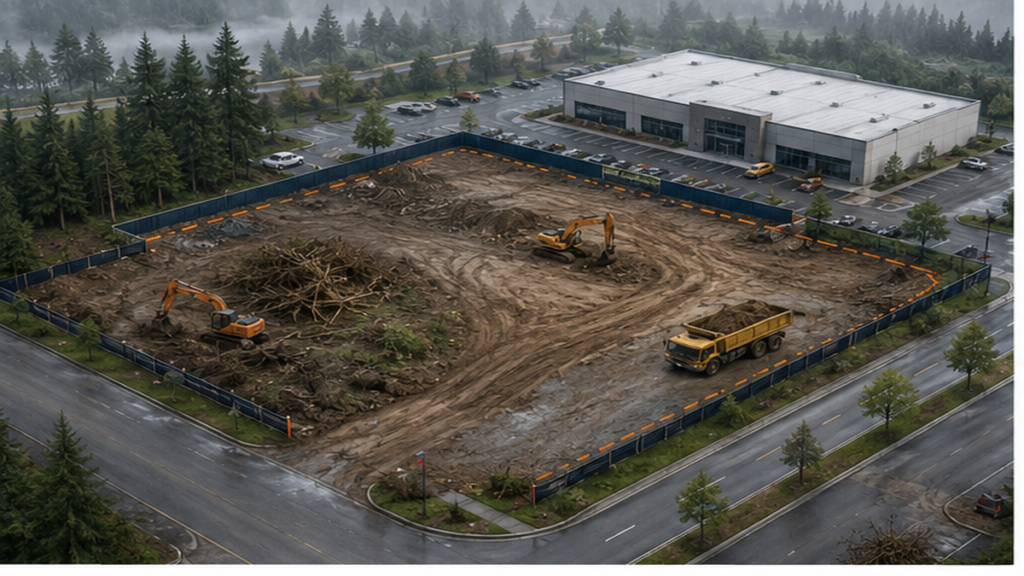
Need Excavation Before Foundation Cost In Washington State Guide
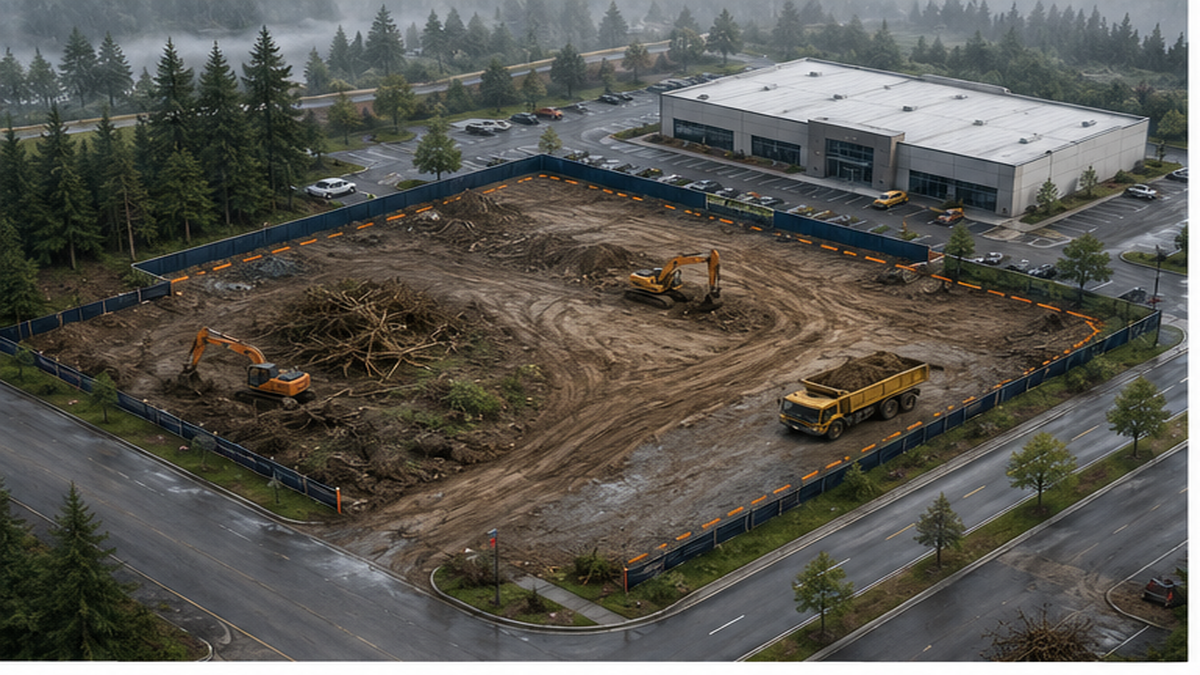
If you are facing tight schedules before a foundation pour and need to know the exact cost of excavation in Washington state, the reality is that no online calculator can give you an accurate number. Excavation pricing depends entirely on material type, site access, and the soil conditions found in your geotech report. We are a heavy civil installer, not a design engineer. To get a real number, send your plan set and geotech report by email. We review the site access and soil realities, then give a fixed estimate before work starts. This guide breaks down the exact cost factors that drive your quote and explains what documents you need to prepare before requesting a site assessment.
Why Foundation Excavation Quotes Vary
Two foundation digs with the exact same square footage can result in vastly different quotes. The primary reason price varies is the condition of the soil and the logistics of moving it. Digging out clean soil is a straightforward process, but discovering buried foundations, concrete rubble, or unstable soils on site immediately changes the required equipment and timeline. Volume and weight at the disposal facility also dictate a large portion of the final number. Heavy, wet soil or mixed demolition debris costs more to haul and dump than dry, clean dirt.
Site access plays a critical role as well. If your property has a tight lot that restricts truck or machine size, our crews have to double-handle the material. Double-handling means moving the dirt twice before it ever leaves the site, which adds labor hours and machine time. Finally, weather impacts the dig. Heavy Washington rain turns standard earthworks into a mud management issue. We base our quotes on the realities of your specific site, which is why we require a geotech report before providing a firm number.
Main Cost Factors for Site Preparation
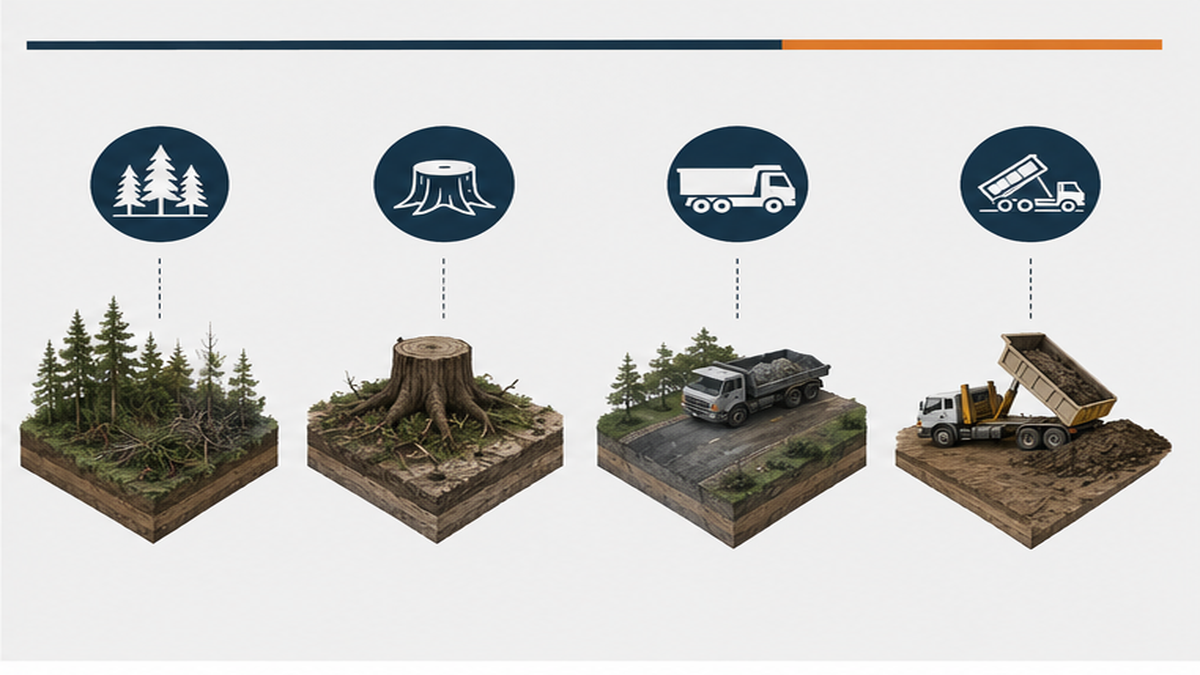
Understanding the specific variables that dictate your earthworks package helps you prepare for a realistic quote. We evaluate several key drivers when reviewing your plan set.
| Cost Factor | How It Affects Your Quote | Typical Impact |
|---|---|---|
| Material Type | Clean soil is standard to haul. Mixed demolition debris, concrete rubble, or hazardous materials require specialized handling and permitted disposal sites. | Often the largest line item |
| Volume and Weight | Disposal facilities charge based on the weight and volume of the hauled material. Wet, heavy soil increases trucking and dumping fees. | Higher volume equals higher cost |
| Site Access | Tight lots that restrict machine size force crews to double-handle material. Limited access means smaller trucks and more trips to the disposal site. | Moderate to higher |
| Soil Stability | Unstable soils discovered on site require additional shoring, benching, or stabilization before the foundation pour can safely proceed. | Varies widely based on geotech |
| Schedule Pressure | Accelerated timelines require extra crews and machines on site simultaneously to meet the foundation contractor's deadline. | Higher |
Your final quote reflects these exact conditions. We do not guess on soil stability; we rely on your engineer's geotech report to determine the necessary equipment and labor.
What Is Typically Included in Your Estimate
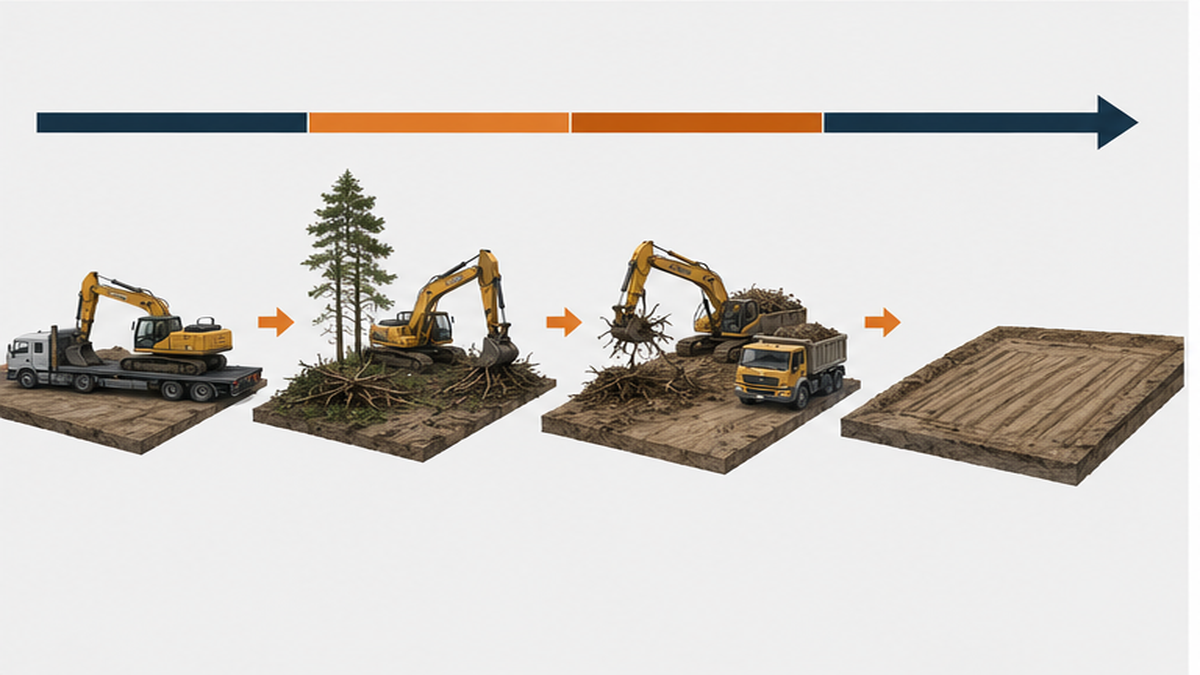
A professional excavation quote should clearly outline the full earthworks scope required to get your site ready for the foundation pour. When we provide a fixed estimate, it typically covers site grading, foundation excavation, and the complete soil haul-off. This means we manage the heavy equipment, the digging, and the logistics of transporting the dirt to the appropriate disposal facility.
Our scope review also includes assessing the site for proper drainage and utility trenching if those elements are part of your plan set. For larger development projects, the initial phase often involves Commercial Land Clearing to remove vegetation, stumps, and surface debris before the actual foundation dig begins. We also include the necessary quality control and documentation to ensure the excavated area matches the elevations and dimensions specified by your structural engineer. Everything is put in writing before work begins.
What Can Increase Your Excavation Cost
The most common factors that increase an excavation quote involve unexpected subsurface conditions and logistical hurdles. If we encounter buried foundations, massive boulders, or undocumented utility lines, the project requires active demo and sorting before loading can continue. Unstable soils are another major cost driver. If the geotech report indicates that the earth cannot hold a vertical cut, the site will require temporary support.
In these cases, we may need to implement soldier pile walls or Drilled Shaft Excavation to stabilize the area and protect neighboring properties. Hazardous or contaminated material handling also pushes costs higher, as this soil must be transported to specific, permitted disposal sites with higher tipping fees. Finally, schedule pressure increases the quote. If your framing and foundation trades are stacked and you need the excavation finished on an accelerated timeline, we have to deploy extra machines and operators, which adds to the labor total.
How to Control Site Preparation Costs
The best way to control your excavation costs is through thorough preparation before you request a quote. Having stamped drawings and a complete geotech report ready allows us to bid the job accurately without building in contingencies for unknown soil conditions. Clear access is another major factor you can influence. If you can clear staging areas for our trucks and excavators, we avoid the labor-intensive process of double-handling material.
Coordinating your trades so that the earthworks phase has dedicated time on site prevents the need for rush scheduling and overtime crews. Additionally, ensuring your project meets all local compliance standards upfront prevents costly mid-project delays. Learn more about this service to understand how proper documentation keeps the site moving. By providing the right documents from day one, you allow us to plan the most efficient approach for your specific foundation dig.
The Risks of Accepting the Lowest Bid
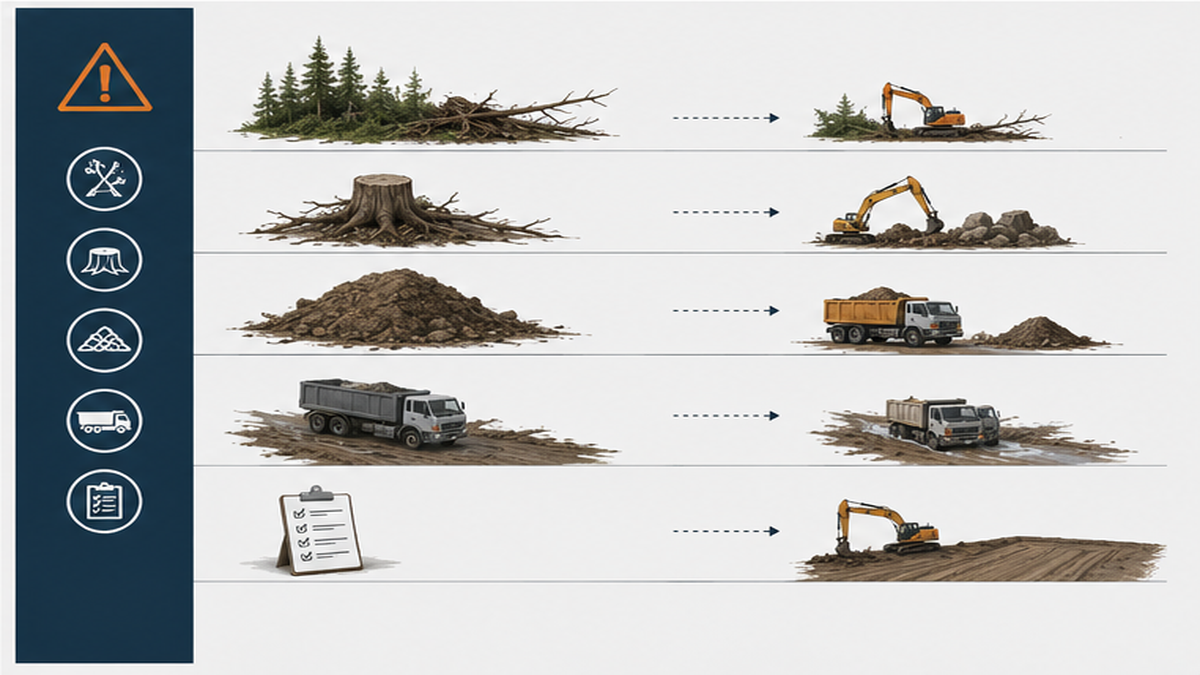
Accepting the lowest bid for site preparation often leads to cascading delays that impact your foundation and framing contractors. Cheap quotes frequently omit critical line items like disposal fees, assuming the soil can stay on site when there is actually no room for it. Low bidders may also ignore the realities of the geotech report, attempting to dig without proper shoring or stabilization.
When unstable soils inevitably collapse, the project stops, and you are hit with massive change orders to fix the site. Coordinating multiple earthworks trades requires precision and experience. A contractor who underbids the job often lacks the heavy equipment or skilled operators necessary to hit your deadlines. Excavation delay cascades into foundation and framing delays, throwing off your entire build schedule. We provide a transparent, fixed estimate before work begins so you know exactly what the earthworks package covers.
How to Prepare for a Custom Excavation Quote
Because every lot in Washington has unique soil and access constraints, a custom quote is mandatory for foundation excavation. You must prepare specific documents before we can provide a firm number. First, gather your stamped plan set and the geotech report. We need to see the structural engineer's requirements and understand what is happening beneath the surface.
Email these documents to us for an initial scope review. We will evaluate the material type, the required volume of soil haul-off, and the access logistics. If the access is tight or the soil unknowns are significant, we will schedule a site visit to inspect the property in person. During this visit, we verify truck routing and staging areas. Once we have reviewed the plans and the site, we deliver a detailed, fixed written estimate. We are the heavy civil installer, and this process ensures our crew arrives fully prepared for your specific site conditions.
Common Questions About Excavation Costs
How much does it cost to build a 1200 square foot foundation?
Is it cheaper to dig out a basement or raise a house?
How long does Excavation & Site Prep take?
How do I get an estimate?
Request a Project Estimate
Payment Structures for Earthworks Projects
Heavy civil installations and commercial earthworks require clear payment structures tied to project milestones. We do not offer in-house financing, but we work directly with developers, general contractors, and private landowners to establish transparent billing schedules. Your fixed written estimate will outline the payment terms alongside the specific scope of work, including site grading, excavation, and soil haul-off. By defining the costs upfront based on your geotech report and plan set, we ensure there are no surprises regarding disposal fees or equipment mobilization once the project is underway.
How Your Schedule Impacts the Quote
Your project timeline directly influences the final cost of excavation and site preparation. If your schedule demands an accelerated dig to meet a tight foundation pour deadline, we must deploy additional operators and heavy machines to the site. This increased daily footprint raises the overall labor and equipment costs. Conversely, allowing a standard, flexible window for the earthworks phase helps control costs by optimizing truck routing for soil haul-off and minimizing overtime. We review your required deadlines during the initial scope review and build a realistic, contracted timeline into your fixed estimate.