
Understanding Deep Foundation Prep Costs
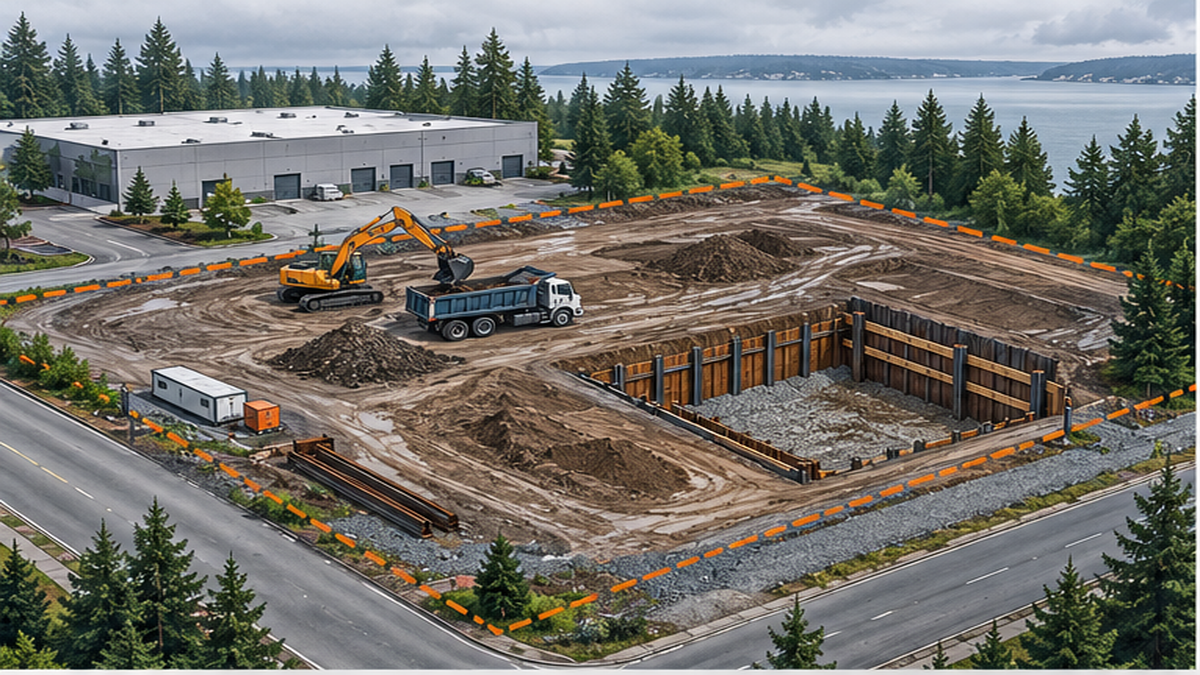
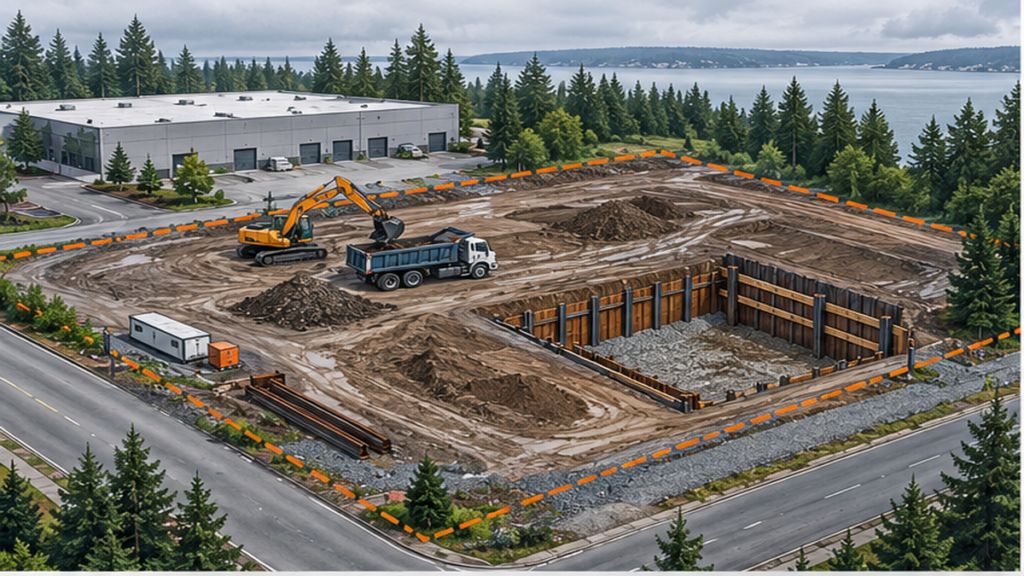
Unstable soils and tight schedules before a foundation pour mean you need a firm plan, not a blind online guess. If you are researching weak soil needs deep foundations cost per square foot in Washington or Oregon, know that we do not publish a flat price list. Every site is different. Your final quote depends on material volume, site access, and what the geotech report reveals. We are the heavy civil installer—not the design engineer. We handle the excavation, shoring, drilling, and caging for developers and general contractors. Send us your plan set and geotech report, and we will review the scope to provide a fixed estimate before work begins.
Why Two Foundation Prep Projects Quote Differently
Two commercial sites with the same square footage can receive vastly different quotes for deep foundation prep. The difference comes down to what is hidden in the dirt and how hard it is to access. Cost varies based on whether you need a targeted repair, a standard installation, or an expanded reconfiguration of the site.
- Targeted repair or refresh: Small-scale soil haul-off and localized drilling where access is clear.
- Standard replacement or installation: Full excavation, standard soldier piles, and site prep for a new commercial build.
- Expanded reconfiguration: Deep excavation on steep slopes, active tiebacks, and hazardous material handling.
Prices shift when weather changes, buried foundations appear, or unstable soils require extra machines. We base our numbers on your geotech report and structural plans.
Core Variables That Drive Your Estimate
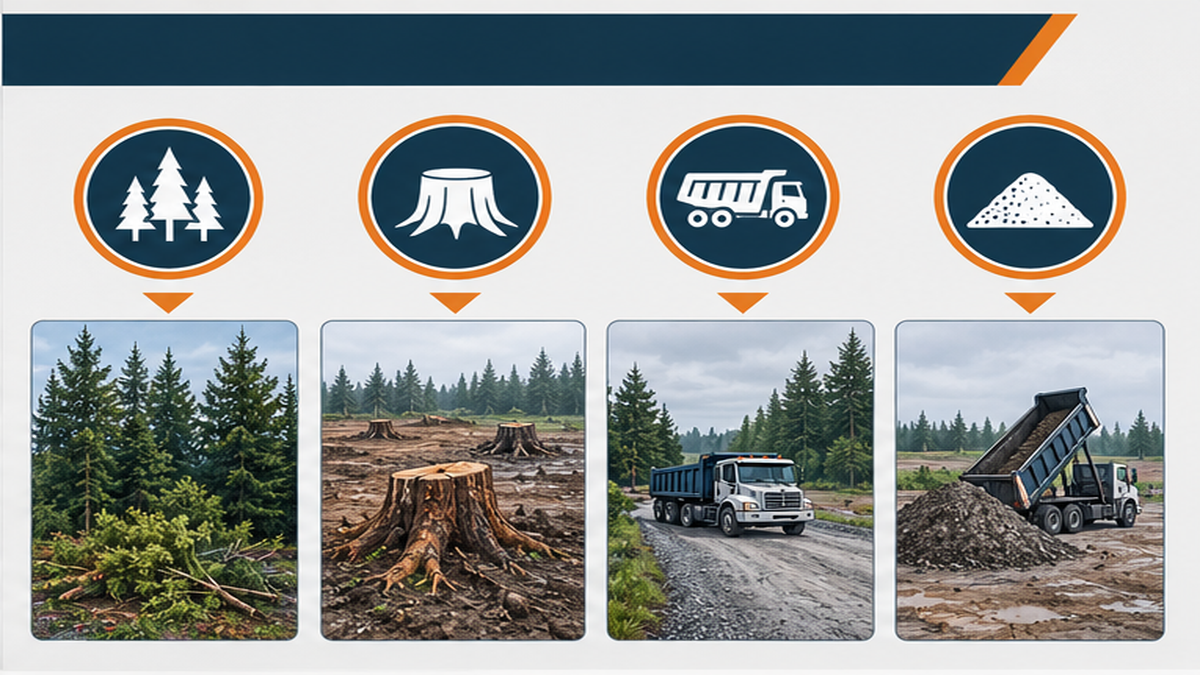
What actually drives the cost of deep foundation site prep? It comes down to logistics, materials, and soil reality.
| Cost Factor | How it affects your quote |
|---|---|
| Material type | Clean soil costs less to haul off than mixed demolition debris or concrete rubble. |
| Volume and weight | Disposal facility fees scale directly with the tonnage of soil and debris removed. |
| Site access | Tight lots requiring smaller machines or double-handling of dirt increase labor hours. |
| Material readiness | Active demolition and sorting on site takes more crew time than loading pre-staged piles. |
| Hazardous materials | Contaminated soil requires specialized handling and specific permitted disposal sites. |
| Hidden conditions | Buried foundations or severe weather changes can force schedule adjustments and extra equipment. |
These variables dictate the equipment we mobilize and the crew size needed to keep your foundation pour on track.
What a Turnkey Earthworks Package Covers
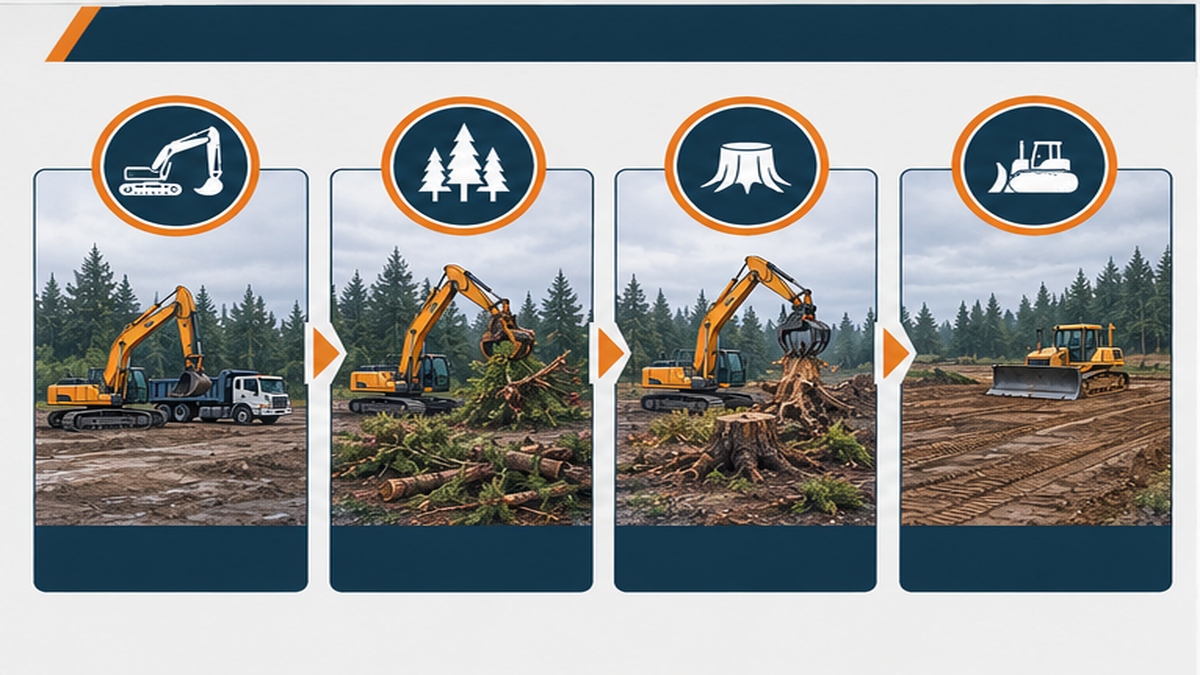
A complete earthworks package from Ruffhouse Construction LLC covers the physical work required to get your site ready for the foundation crew. When you hire us for a turnkey site package, the written estimate outlines the exact scope. This typically includes site demolition, land clearing, and soil haul-off to permitted facilities. We also cover the heavy lifting: excavation, drilling and caging, and installing soldier pile walls or shoring if your engineer specifies them. Our quotes factor in the machinery, the operator hours, and the logistics of moving dirt in and out of tight Washington sites. We manage the utilities and drainage systems required before the slab goes down. You get a clear, contracted timeline and quality control documentation on the completed work. We do not include the structural engineering or design stamps—you must secure those before we break ground.
Conditions That Push Excavation Costs Higher
Certain site realities will push your excavation and shoring costs higher. The biggest factor is schedule pressure. If you are facing tight schedules before a foundation pour and need extra crews or machines to hit a deadline, labor costs rise. Access restrictions also drive up the budget. If we cannot fit standard heavy equipment onto a steep or narrow lot, we have to use smaller machines, which means more trips and longer hours. Discovering hazardous materials or contaminated soil mid-dig requires a hard stop, specialized hauling, and higher disposal fees. Unstable soils that were not fully captured in the initial geotech report might force a pivot to more extensive ground stabilization or deeper drilling. Finally, coordinating multiple earthworks trades on a congested site can slow down production. Having one contractor handle the full excavation-to-utilities scope helps, but site congestion always impacts efficiency.
How to Keep Your Site Prep Budget in Line
You cannot change the soil on your site, but you can control how you manage the project. The most effective way to control your deep foundation prep budget is to finalize your plan set and geotech report before asking for bids. Clear documentation prevents change orders. If we know exactly what the soil looks like, we can stage the right equipment from day one. Another lever is site access. Clearing the site of non-essential trades before our heavy equipment arrives prevents double-handling of dirt. Bundling demolition, excavation, and utilities into one package with a single contractor is more efficient than hiring separate crews. If you need a Construction Debris Removal Company to clear the lot first, coordinating that ahead of the heavy dig keeps the timeline intact.
The Danger of Underbidding Heavy Civil Work
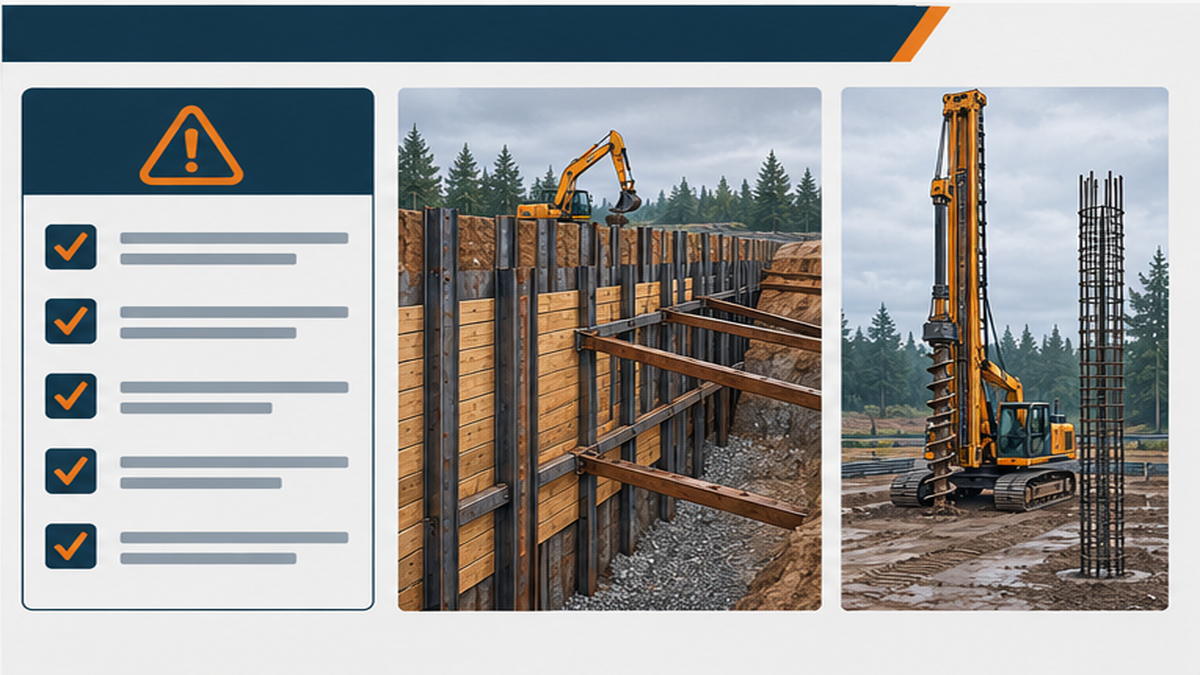
Taking the lowest bid on deep foundation prep is a massive risk for developers and general contractors. Cheap bids often omit critical line items like proper soil haul-off, disposal fees, or the heavy machinery required for hard digging. When a contractor underbids the volume of dirt or assumes clean soil without checking the geotech report, you get hit with change orders the moment they hit a buried foundation or contaminated material. A low bid might also mean the contractor lacks the capability for high-ticket shoring or soldier pile walls. If they cannot handle the structural requirements, your foundation pour gets delayed, and excavation delays cascade into foundation and framing delays. We provide transparent fixed pricing before work begins. A realistic quote accounts for weather, access, and the actual tonnage of Construction Debris and soil leaving the site. Paying for a properly equipped, experienced crew upfront prevents mid-project stalls and keeps your build schedule intact.
How to Prepare for a Project-Specific Estimate
Online calculators cannot price heavy civil earthworks. You need a custom quote based on your specific site conditions. Our estimate process is straightforward. First, email us your stamped drawings, plan set, and the geotech report. We review the scope to understand the soil realities and access constraints. If the job involves complex retaining walls or tight access, we will schedule a site visit to assess the logistics in person. Before you contact us, gather your documentation. We need to see the engineer's requirements for drilling, caging, and shoring. We are the installer, not the design engineer, so if you do not have stamped drawings yet, start there—we can recommend a Washington firm if needed. Once we have your documents, we provide a detailed cost estimate and a contracted timeline. We respond within 24 hours on quote requests, giving you the hard numbers you need to move forward.
Common Questions About Foundation Prep Costs
How much does a 2000 sq foot foundation cost?
How deep should a foundation be below ground level?
How long does Demolition & Soil Removal take?
How do I get an estimate?
Ready for a Fixed Earthworks Estimate?
Payment Milestones for Commercial Earthworks
Heavy civil site preparation is a major capital investment. We focus on high-ticket shoring, soldier pile walls, and full earthworks packages, operating on clear, contracted payment schedules rather than consumer financing plans. Your written estimate outlines payment milestones tied to project phases, such as mobilization, drilling, and final soil haul-off. We require transparent fixed pricing before work begins, ensuring you can secure construction loans without worrying about unexpected contractor fees. We work directly with your project managers to align invoicing with your draw schedules.
How Your Schedule Impacts the Final Quote
In commercial excavation, time is tied to your final cost. A delayed dig cascades into foundation and framing delays, costing developers in holding costs. When you hire us for demolition and soil removal, we commit to contracted timelines to keep your build on track. If you need the site prepped faster than standard, it requires mobilizing extra machines or paying higher disposal fees for expedited haul-off. Providing us with clear access can reduce logistical overhead. We review these timeline variables during the initial scope review. Finalizing the plan set and geotech requirements early eliminates mid-project surprises that cause expensive delays.