
Auger Cast Piles Cost Guide
When unstable soils or heavy structural loads threaten your project timeline, deciding on the right deep foundation method comes down to site realities, not a fixed online price list. Developers and general contractors in Washington and Oregon need to know what drives the cost of drilling and caging before pouring a foundation. We do not publish blind price sheets because every site has different soil conditions, access constraints, and engineer requirements.
Instead, this guide breaks down the specific variables that dictate your final number. From material volume to schedule pressure, understanding these factors helps you prepare the right documents—like your plan set and geotech report—so we can provide a firm, accurate estimate before mobilization.
Why Two Similar Projects Quote Differently
Two commercial retaining walls with the exact same linear footage will quote differently if one site sits on clean soil and the other hides buried concrete rubble. Auger cast piles cost varies heavily based on what happens beneath the surface. Unstable soils discovered during site assessment require different drilling techniques, casing requirements, and grout volumes.
Site access also shifts the math. If our rigs have to double-handle materials on a tight Seattle lot, labor hours increase compared to an open commercial site in Federal Way. Additionally, weather conditions and schedule pressure before a foundation pour can force the need for extra crews or specialized equipment. Because these variables drastically alter the required labor and machinery, quoting without a structural engineer's plan set and a geotech report misleads general contractors. Real pricing requires reviewing the actual site conditions first.
Core Variables That Drive Your Estimate
Several concrete variables determine the final estimate for drilling and caging operations. We evaluate these elements during our initial scope review to build your quote.
| Cost Factor | How It Affects Your Quote |
|---|---|
| Material Type & Debris | Drilling through clean soil requires less time and equipment wear than punching through mixed demolition debris or buried concrete rubble. |
| Volume and Depth | The total depth and diameter of the drilled shafts dictate the volume of grout and steel caging required, directly impacting material line items. |
| Site Access | Tight lots that restrict truck or machine size force double-handling of materials, which increases labor hours and equipment costs. |
| Unstable Soils | Discovering high water tables or caving soils requires temporary casing or specialized drilling fluids, adding to the operational scope. |
| Schedule Pressure | Accelerated timelines before a foundation pour often require extra crews, overtime, or multiple rigs operating simultaneously to meet the deadline. |
Each of these factors must be quantified by an engineer's assessment before we can lock in a firm number.
What a Professional Drilling Quote Covers
A comprehensive earthworks and drilling quote from Ruffhouse Construction LLC covers the complete scope required to get your site ready for the next phase of construction. When we bid on deep foundation work, the estimate includes the mobilization of our heavy drilling rigs and support equipment to your Washington or Oregon site.
It covers the labor and machinery for the actual drilling, as well as the fabrication and installation of the steel reinforcing cages. The quote also accounts for the grout or concrete pumped into the drilled shafts. Beyond the installation itself, a professional package includes site preparation, managing the spoils generated during drilling, and the necessary quality control documentation required by your structural engineer. We outline every phase—from initial excavation to final cleanup—so developers know exactly what the turnkey site package entails.
Conditions That Expand the Budget
Hidden subsurface conditions are the primary reason a drilling budget expands. If our crews hit undocumented utilities, massive boulders, or hazardous contaminated materials, the project requires immediate reassessment and specialized handling. Permitted disposal sites for contaminated soil charge significantly higher fees, which increases the haul-off line item.
Changes to the structural design mid-project also drive up expenses. If the geotech report mandates deeper drilled shafts or heavier steel caging after the initial bid, material and labor requirements scale up accordingly. Access restrictions discovered late in the planning phase—such as overhead power lines or narrow staging areas—can force us to swap standard rigs for specialized, low-clearance equipment. Finally, if the site is not prepped and ready for loading, active demolition and sorting by our crews will add unexpected labor hours to the invoice.
How to Control Your Earthworks Expenses
General contractors and developers can control their earthworks budget by finalizing all structural and geotechnical engineering before requesting a bid. Having a complete, stamped plan set eliminates the guesswork that forces contractors to pad their estimates for unknown risks.
Clear site access is another major factor. Ensuring the footprint is fully cleared of surface debris and overhead obstructions allows our drilling rigs to mobilize and operate efficiently, reducing hourly labor and equipment costs. You can also manage expenses by coordinating trades effectively. Bundling your excavation, demolition, soil removal, and drilling into a single turnkey package with one contractor often streamlines the schedule and reduces overlapping mobilization fees. If you are exploring alternatives, we can sometimes suggest different shoring methods—like Auger Cast Piles versus standard soldier piles—if the geotech report and site constraints allow for a more efficient installation approach.
The Reality of Discount Bids
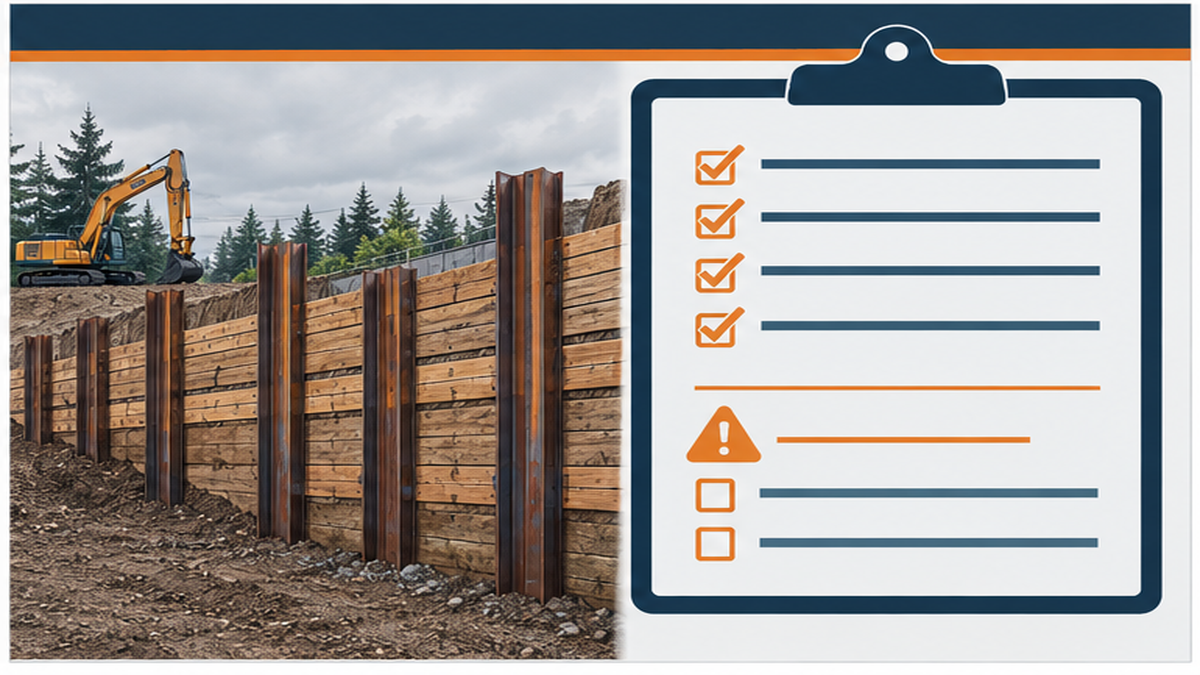
Accepting the lowest bid on heavy civil work often leads to schedule delays and massive change orders once the machines hit the dirt. Discount contractors frequently omit critical line items like soil haul-off, disposal fees, or the cost of managing groundwater during drilling. When these inevitable realities surface, the initial cheap price vanishes.
Inexperienced crews might also lack the specialized equipment needed to handle caving soils or hard rock layers, causing the drilling process to stall. An excavation delay cascades directly into foundation and framing delays, threatening your entire project timeline. Furthermore, low-bid operators may cut corners on quality control and documentation. If the installation of a Drilled Shaft Caisson fails to meet the structural engineer's exact specifications, the resulting rework will cost far more than hiring a qualified contractor from the start. We provide transparent, fixed pricing after reviewing your documents to prevent these mid-project surprises.
How to Prepare for a Project-Specific Estimate
Because every deep foundation project relies on unique soil mechanics and structural loads, a custom quote is always required. We do not guess at numbers over the phone. To get an accurate estimate, you must prepare specific documents before contacting us.
First, secure a comprehensive geotechnical report detailing the soil conditions and water table on your site. Second, provide a stamped plan set from your structural engineer. We are the installer, not the design engineer, so we need those approved blueprints to calculate material volumes and drilling depths accurately. Once you email us the drawings and geotech data, we review the scope and schedule a site visit to assess access and logistics. After this thorough evaluation, we deliver a detailed, fixed estimate within a few days. If you do not have an engineer yet, let us know—we can recommend a licensed Washington firm to get your project started.
Common Questions About Drilling Costs
How is Drilling & Caging priced in my area?
What should I know about Drilling & Caging?
How long does Drilling & Caging take?
How do I get an estimate?
Get a Quote for Your Earthworks Package
Funding and Budget Alignment
Heavy civil construction and deep foundation work represent a significant portion of your overall development budget. While Ruffhouse Construction LLC does not provide direct in-house financing, we work closely with developers, general contractors, and municipalities who utilize commercial construction loans and phased funding. Because we provide a fixed written estimate based on your engineer's plan set, you can confidently submit our numbers to your lender or project stakeholders. Clear, upfront pricing ensures your funding aligns with the actual site requirements, preventing the need for emergency capital due to unexpected earthworks change orders.
How Your Schedule Impacts the Quote
Your construction schedule and your drilling budget are tightly linked. When a project faces strict deadlines before a foundation pour, accelerating the earthworks phase often requires deploying multiple drilling rigs or scheduling overtime for the crews. This increased operational tempo raises the labor and equipment costs on your estimate. Conversely, allowing a flexible, standard timeline enables us to sequence the excavation, soil removal, and drilling phases with maximum efficiency.
Delays caused by incomplete site preparation also impact your bottom line. If our heavy machinery arrives but the footprint is not cleared, standby time and double-handling will add to the final invoice. By finalizing your engineering documents early and ensuring the site is fully prepped for mobilization, you protect both your schedule and your budget from unnecessary overruns.