
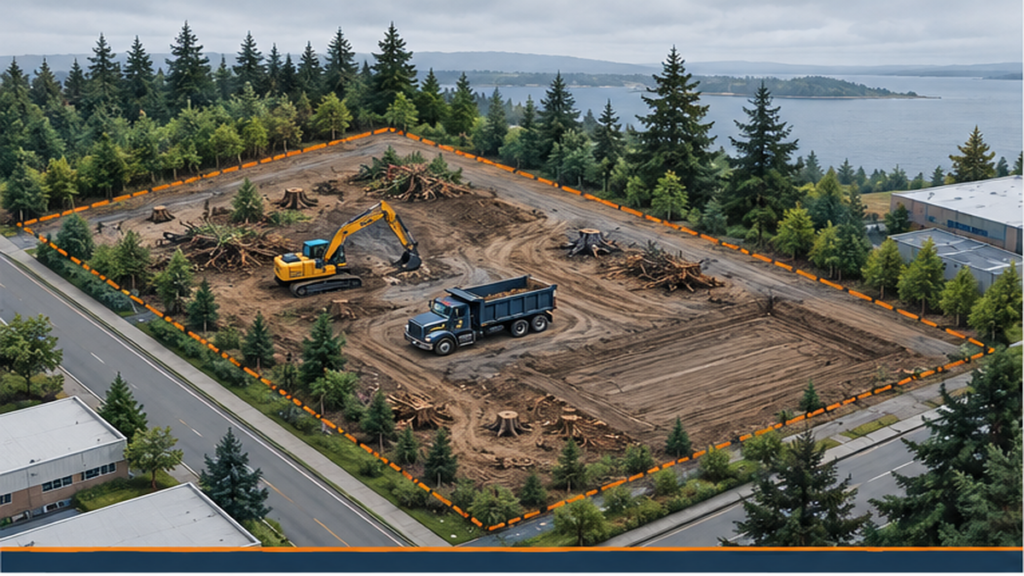
Helical Piles Price Guide
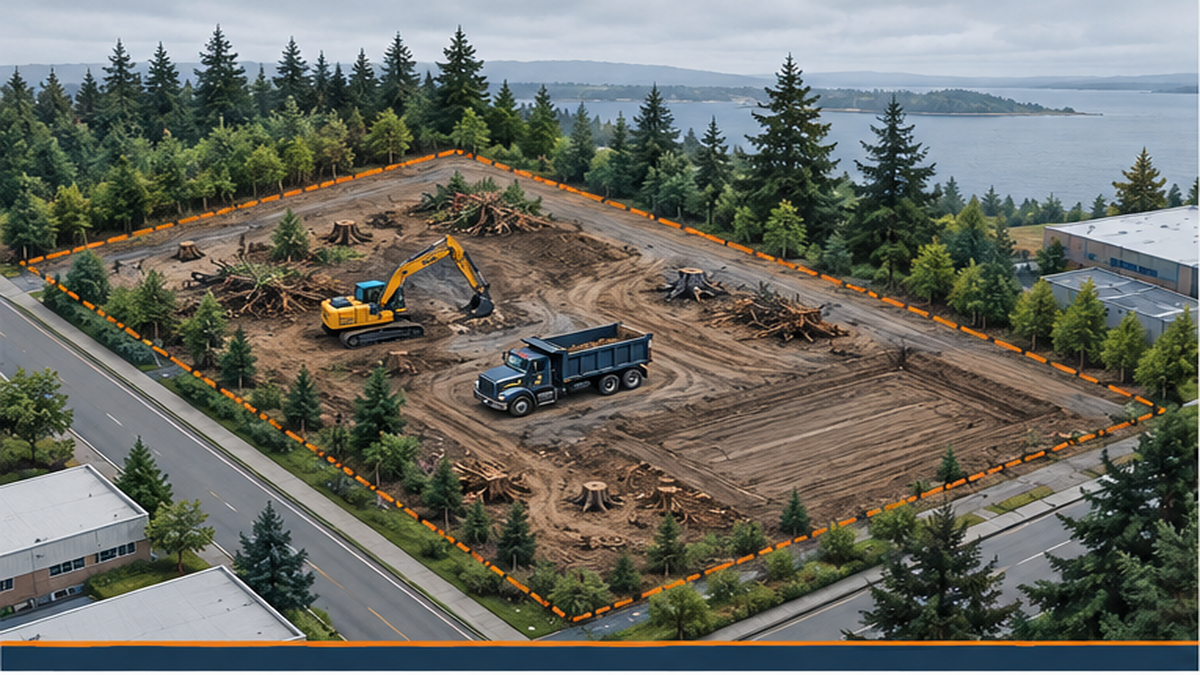
Developers and general contractors facing unstable soils or tight schedules before a foundation pour need to know what helical piles will cost to keep the project moving. There is no standard online price list for helical pile installation in Washington and Oregon. Your final cost depends entirely on the site's soil conditions, the structural engineer's load requirements, and equipment access. We do not guess on pricing. A real quote requires a review of your stamped plan set and geotechnical report. Once we evaluate the earthworks scope—including excavation, drilling, and caging—we provide a fixed written estimate before work begins.
Why Two Similar Projects Quote Differently
Two commercial retaining wall or shoring projects with the same linear footage can quote completely differently. The difference comes down to what is happening beneath the surface and how easily our crews can reach the installation points. Helical piles are engineered to reach load-bearing soil, meaning the depth required varies based on your specific site's geotechnical realities. If your site has buried foundations, unexpected concrete rubble, or severe slope issues, the installation takes more time and requires different equipment.
Access also plays a major role. A wide-open commercial lot allows for larger machinery and faster installation. A tight urban lot might require smaller, specialized equipment and double-handling of materials, which increases labor hours. Finally, mid-project scope changes—like discovering contaminated soil that requires permitted disposal—will shift the final number. That is why we rely on your engineer's assessment rather than rough square-foot averages.
Primary Variables That Drive Your Quote
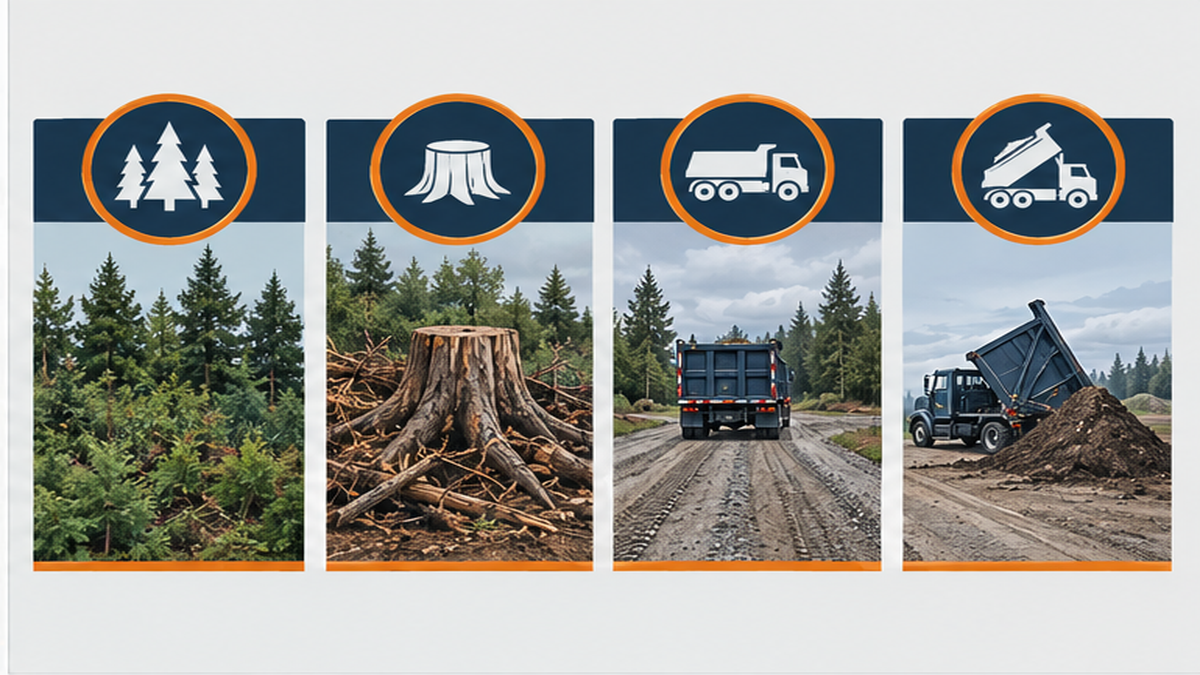
Several distinct variables dictate the final number on your earthworks and shoring package. We look at these specific elements when reviewing your plans.
- Material type and soil conditions: Clean soil is straightforward. Mixed demolition debris, concrete rubble, or glacial till requires different drilling approaches and impacts the speed at which we can advance the piles.
- Volume and weight for disposal: If your project includes excavation and soil haul-off alongside the pile installation, the volume of displaced dirt and the weight at the disposal facility directly affect the quote.
- Site access and logistics: The size of the trucks and machines we can safely get onto your site matters. Tight lots often mean double-handling materials, which adds labor time.
- Hazardous or contaminated material: Discovering contaminated soil requires specialized handling and transport to permitted disposal sites, increasing the overall site preparation budget.
- Schedule pressure: If you are facing a tight deadline before a foundation pour, we may need to deploy extra crews or additional machines to meet the contracted timeline, which adjusts the labor costs.
What a Professional Earthworks Quote Covers
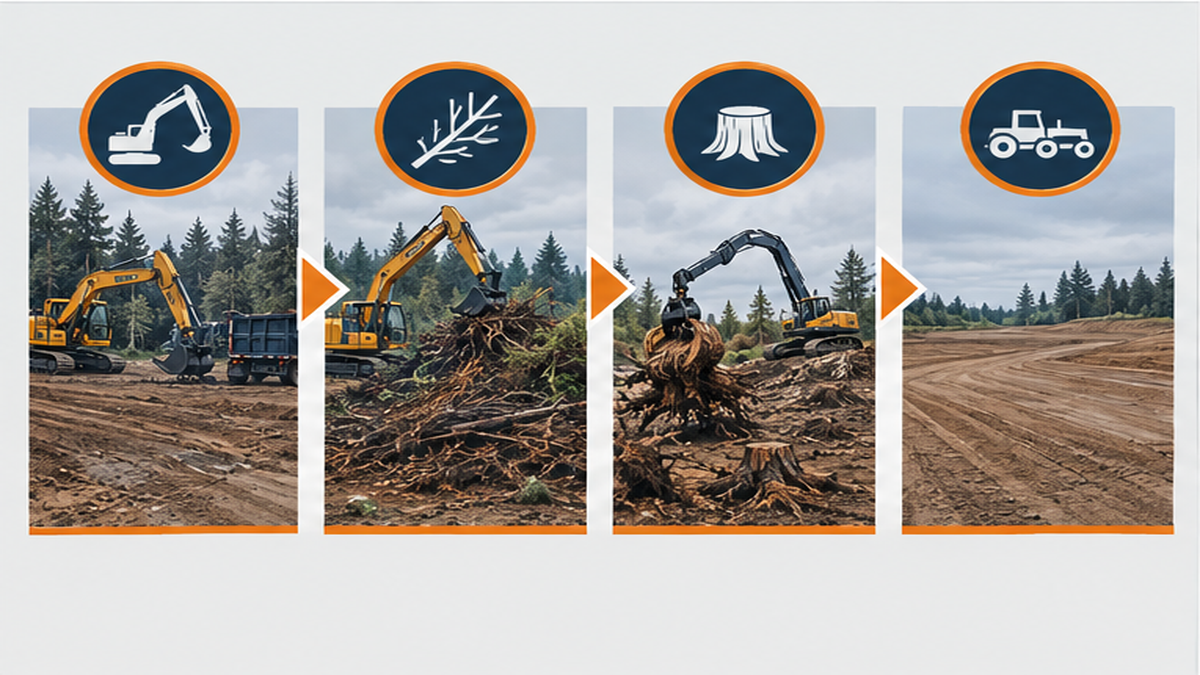
A professional heavy civil quote covers the complete turnkey site package required to get your ground ready for the next phase of construction. When we bid on a project, the estimate typically includes the mobilization of our drilling equipment and crew to your Washington or Oregon site. It covers the layout based on your stamped plans, the physical drilling and installation of the piles, and the caging work if specified.
If you hire us for a full earthworks package, the quote will also detail the excavation, site prep, demolition, soil haul-off, and road restoration. We provide quality control and documentation on the completed work. We are the installer, not the design engineer, so our quote covers the execution of the approved plan set, not the structural engineering or load rating stamps.
Conditions That Push Estimates Higher
Specific site conditions will push a heavy civil quote higher. The most common factor is the discovery of unstable soils or hidden obstacles that were not fully captured in the initial geotechnical report. If we hit buried concrete rubble or abandoned utility lines, the drilling process slows down and requires immediate mitigation.
Tight schedules also increase costs. If a developer needs the site stabilized immediately to prevent a foundation pour delay, deploying multiple crews and expedited material delivery will raise the labor and logistics line items. Additionally, restricted access that forces us to use smaller, less efficient machinery rather than standard heavy equipment will add days to the project timeline. Proper planning and accurate site data help mitigate these increases.
How to Control Your Site Preparation Budget
The most effective way to control your site preparation budget is to have complete, accurate documentation before requesting a quote. Having a finalized geotechnical report and stamped structural plans ready allows us to bid the exact scope without building in contingencies for unknown soil conditions.
You can also control costs by ensuring the site is fully cleared and accessible before our heavy equipment arrives, minimizing the need for our crews to perform active demolition or debris sorting prior to drilling. Bundling services can also create efficiencies. Hiring one contractor to handle the excavation, demolition, soil removal, and pile installation reduces the logistical friction of coordinating multiple earthworks trades, keeping the project on schedule and controlling overall labor hours.
The Hidden Costs of the most budget-friendly Bid
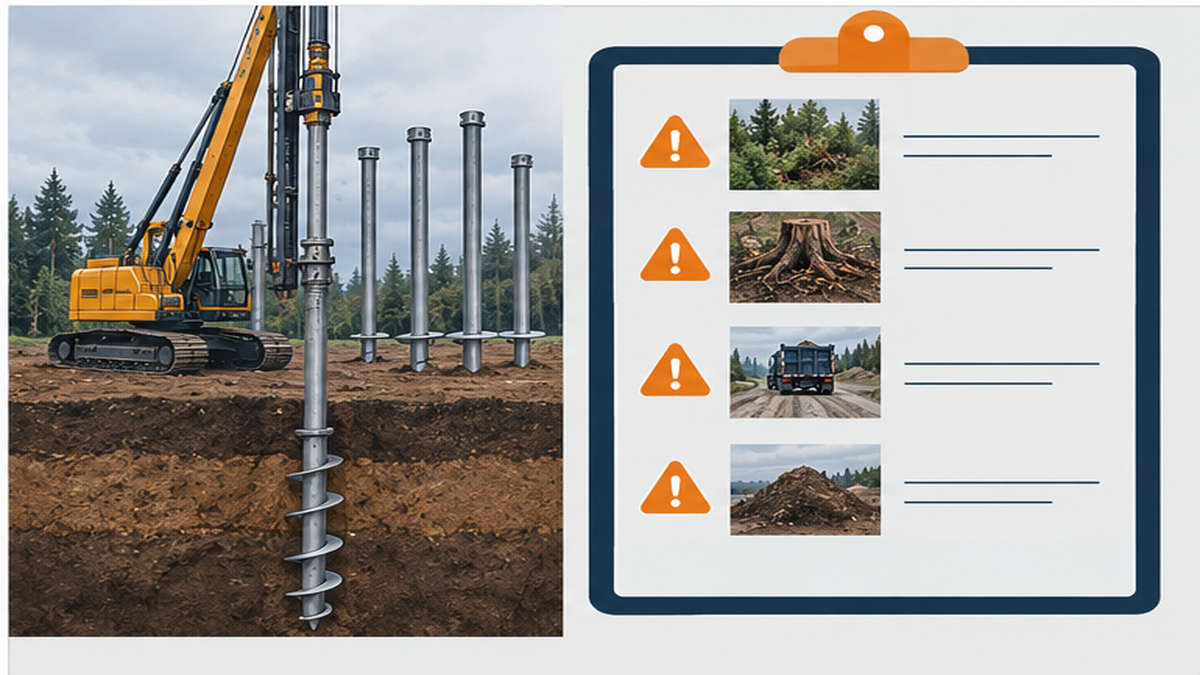
Accepting the most budget-friendly bid for ground stabilization often leads to cascading delays that impact your foundation and framing crews. Low bids frequently omit critical steps like proper soil haul-off, disposal facility fees, or the mobilization of adequately sized equipment. If a contractor underbids the drilling depth or fails to account for difficult soil conditions, you will face expensive change orders mid-project.
A low-bid contractor might also lack the capacity to handle unexpected buried foundations, bringing the entire site to a standstill. We provide transparent, fixed pricing before work begins based on your engineer's assessment. Groundwork is the literal foundation of your development; cutting corners on shoring or soldier pile installation introduces unacceptable structural and financial risks to the rest of the build.
How to Prepare for a Project-Specific Estimate
Online calculators cannot price commercial earthworks. You need a custom quote based on a professional review of your specific project documents. Our estimate process is straightforward. First, you email us your stamped drawings, plan set, and the geotechnical report. We review the scope, looking closely at access constraints and soil realities.
If the project involves complex retaining walls or tight access, we will schedule a site visit to assess the logistics in person. Once we have evaluated the engineering requirements and site conditions, we provide a detailed, fixed cost estimate before any work begins. If you are in the early stages and do not have an engineer yet, let us know—we can recommend a licensed Washington firm to get your plans started.
Common Questions About Helical Pile Pricing
how much do helical piles cost?
How deep do helical piles need to be?
How long does Drilling & Caging take?
How do I get an estimate?
Request a Project Estimate
Payment Structures for Commercial Earthworks
Commercial earthworks and heavy civil projects operate on structured payment schedules tied to project milestones rather than consumer financing. When you receive your detailed written estimate for excavation, drilling, or Drilled Shaft Caisson installation, it will outline the payment terms required to mobilize equipment and secure materials.
Large-scale site preparation, including demolition and soil haul-off, requires significant upfront coordination for machinery and labor. We work with developers, general contractors, and municipalities to establish clear invoicing phases that align with the contracted timelines and completed work. Transparent financial expectations are set before any ground is broken, ensuring there are no surprises as we progress through the site stabilization and utility installation phases.
How Schedule Pressure Impacts Your Quote
Schedule pressure is a major driver of heavy civil construction costs. If your project is facing a tight deadline to complete excavation and shoring before a scheduled foundation pour, the cost will reflect the need for accelerated work. Expediting a project often requires deploying multiple drilling crews, running additional heavy machinery simultaneously, or working extended hours to meet the deadline.
Conversely, projects with flexible timelines allow for optimized equipment routing and standard crew deployment, which helps control labor costs. Coordinating multiple earthworks trades—such as having us handle the demolition, soil removal, and Auger Cast Piles installation as a single turnkey package—eliminates scheduling conflicts and prevents the costly delays that happen when one contractor falls behind and holds up the next phase.