
How To Estimate Site Grading: Process and Cost Factors
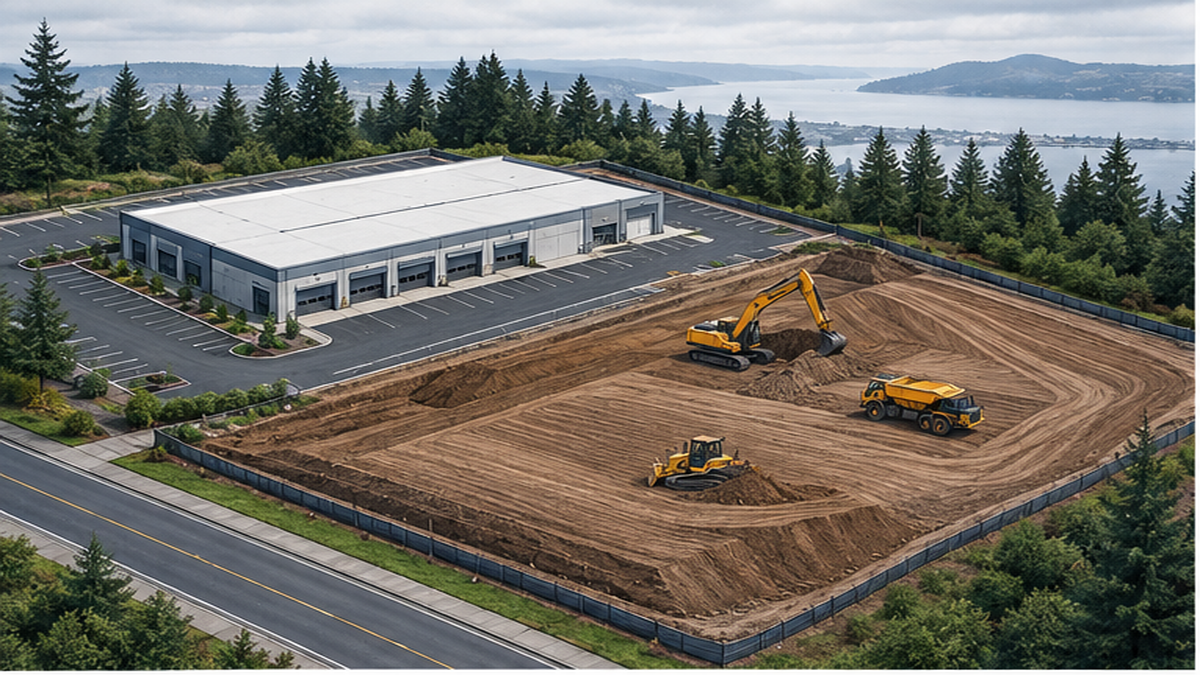
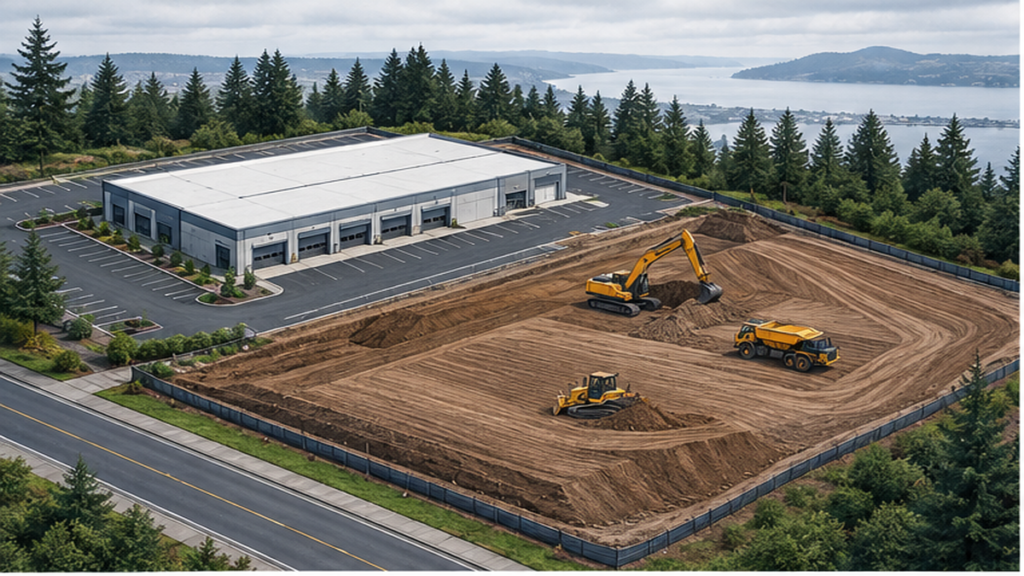
Unstable soils, slope management, and tight schedules before a foundation pour mean you need a real site grading estimate, not a blind online guess. To estimate site grading accurately in Washington and Oregon, a contractor must review your stamped plan set and geotech report to determine material volume, site access, and soil conditions. There is no flat per-square-foot price for heavy earthworks. A reliable quote requires an on-site engineer assessment or a detailed review of your drawings to account for hauling fees, demolition, and schedule pressure. We are the installer, not the design engineer. Once you have your documents ready, we provide a fixed cost estimate before work begins so your framing and foundation trades stay on track.
Why Grading Quotes Vary Between Sites
Two commercial lots in Federal Way might look identical on the surface, but their grading quotes can differ by tens of thousands of dollars. Price varies because heavy civil earthworks depend entirely on what lies beneath the topsoil and how difficult it is to move. If one site has clean soil and easy truck access, the excavation and hauling phases move quickly. If the second site reveals buried concrete foundations or unstable soils requiring a soldier pile wall, the scope changes immediately.
Volume and weight at the disposal facility also drive the final number. Clean dirt costs less to dump than mixed demolition debris or concrete rubble. Additionally, schedule pressure before a foundation pour can force the use of extra crews and larger machines, increasing labor costs. We base our numbers on the realities of the site and the geotech report, ensuring the grading package covers the actual work required rather than a best-case scenario.
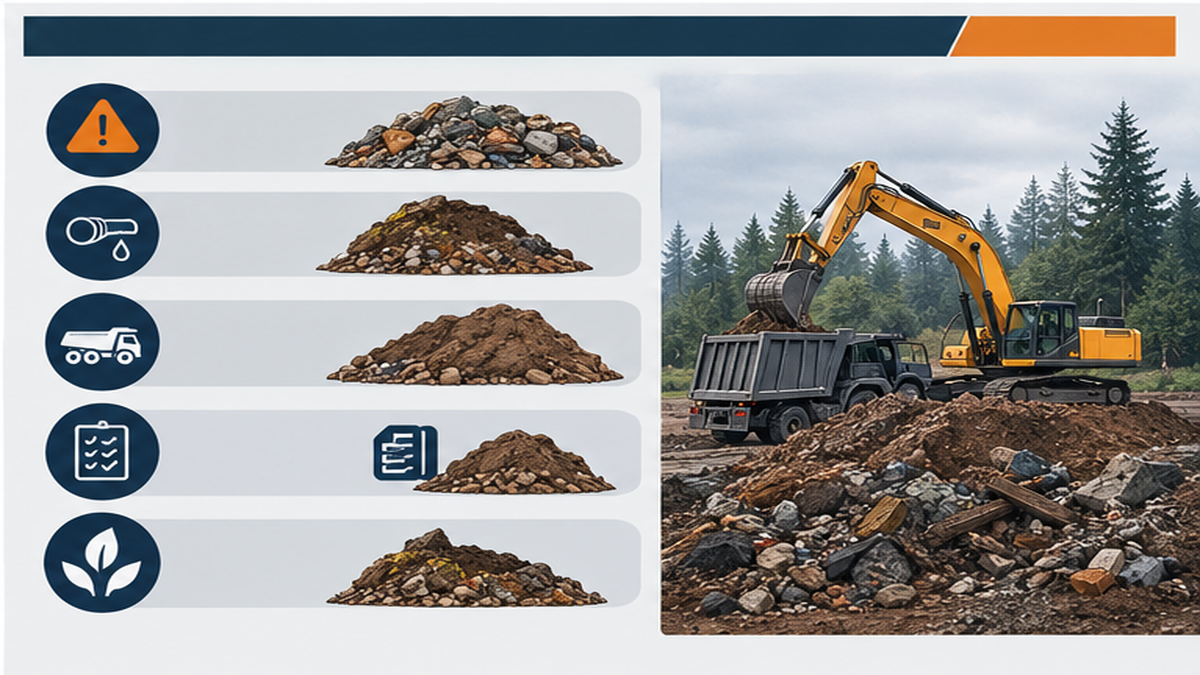
Main Cost Factors in Earthworks
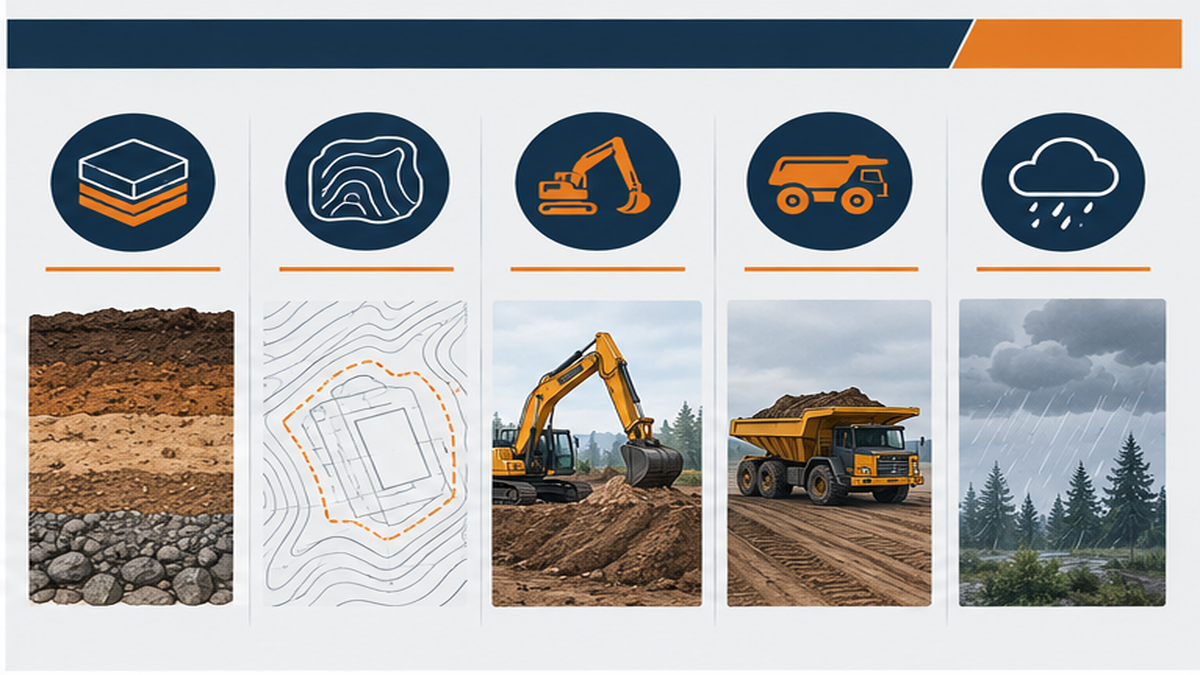
When you review a site grading estimate, several distinct variables dictate the bottom line. We evaluate these factors during our initial scope review to build an accurate quote.
| Cost Factor | How It Affects Your Quote |
|---|---|
| Material Type | Clean soil is straightforward to haul, but mixed demolition debris or concrete rubble incurs higher tipping fees at the disposal facility. |
| Volume and Weight | Heavier, bulkier materials cost more to transport and dump, making volume a primary driver of the total price. |
| Site Access | Tight lots that restrict full-sized dump trucks require double-handling of dirt with smaller machines, which increases labor hours. |
| Material Readiness | If debris is ready to load, the process is fast. Active demolition and sorting before loading adds significant crew time. |
| Subsurface Conditions | Weather impacts, buried foundations, and unstable soils discovered on site require immediate scope adjustments and potential structural fill. |
Material type is often the largest line item. If we cannot fit full-sized excavators on a tight lot, double-handling the dirt adds days to the timeline. We review your geotech report to anticipate these conditions before we finalize the estimate.
What a Professional Grading Quote Includes
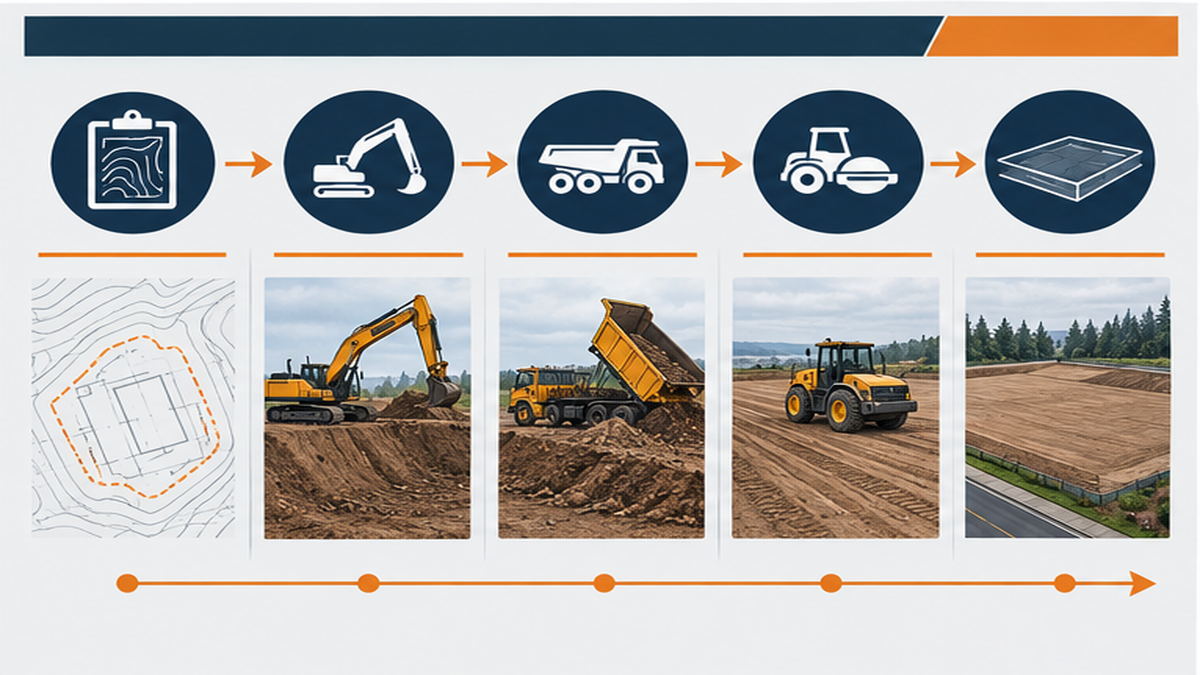
A complete site grading and earthworks package should give you a turnkey site ready for the next phase of construction. When we bid a project, the detailed cost estimate covers the full scope required to reach the subgrade elevations on your plan set. This typically includes the initial site assessment, heavy equipment mobilization, and the labor to cut, fill, and compact the soil.
The quote also accounts for the logistics of moving dirt. It includes loading the material, soil haul-off, and the specific tipping fees at the disposal facility based on the material type. If the project involves initial demolition, the estimate covers breaking down existing structures and sorting the debris. We also include basic slope and water management during the active excavation phase to keep the site stable. You get contracted timelines and transparent fixed pricing before work begins, so you know exactly what is covered.
Conditions That Increase Grading Costs
The fastest way a grading budget expands is through unknown subsurface conditions. If we open the ground and find buried foundations, massive rock formations, or contaminated soil, the excavation process slows down. Hazardous material handling requires specialized transport and higher fees at permitted disposal sites.
Access constraints are another major factor. A site that forces trucks to stage off-site or requires double-handling of materials will increase equipment hours and labor costs. Schedule pressure also drives up the number. If a general contractor needs the site prepped on an accelerated timeline to meet a concrete pour date, we have to mobilize extra crews and machines. Finally, if the site requires high-ticket specialty work like Drilled Shaft Excavation or soldier pile walls to stabilize a failing slope before grading can finish, the overall earthworks package will require a larger budget and a dedicated engineering review.
How to Control Your Earthworks Budget
You control grading costs by finalizing your plan set and geotech report before requesting a bid. Accurate engineering documents eliminate the guesswork, allowing us to price the exact volume of dirt and the specific shoring requirements without padding the estimate for unknowns.
Another way to control costs is by separating clean soil from mixed demolition debris. If a site is already cleared of concrete rubble and trash, the soil haul-off process is faster and disposal fees are lower. Allowing a flexible schedule also helps. If we do not have to stack multiple crews on site to beat an unrealistic foundation pour deadline, the labor costs remain standard. Finally, coordinating your earthworks trades under one contractor—handling excavation, grading, and Commercial Land Clearing together—reduces mobilization fees and prevents scheduling conflicts between different companies.
The Risks of Accepting the Lowest Bid
Accepting a low-ball grading bid usually means the contractor left something out of the scope. Cheap estimates often ignore disposal fees, assuming the dirt is clean when it actually contains mixed demolition debris. When the dump charges a premium, that cost gets passed back to you as a surprise change order.
Low bids also risk poor slope and water management during the dig. If an underfunded crew cuts corners on site stabilization, a heavy rain can cause unstable soils to collapse, delaying the foundation and framing stages. A cut-rate earthworks contractor may also lack the heavy equipment needed to hit your deadlines, causing a cascade of delays for every trade that follows. We provide a fixed cost estimate before work begins so you know the site prep, hauling, and quality control are fully funded and documented.
How to Prepare for a Grading Estimate
You need a custom quote when you are ready to move from the planning phase to active construction. We do not provide blind online prices because heavy civil work requires site-specific data. To get an accurate number, you need to prepare your documents. Send your stamped plan set and the geotech report by email. We review the access, soil realities, and retaining requirements.
If the project involves complex access, unstable soils, or a rockery versus soldier pile decision, we will schedule a site visit. We are the installer, not the design engineer. If you do not have stamped drawings yet, start there—we can recommend a Washington structural engineering firm. Once we review the engineering and walk the site if necessary, we provide a detailed written estimate. Learn more about this service to see how we handle compliance. This process ensures you get a firm number for the exact earthworks scope required.
Common Questions About Grading Estimates
How is Excavation & Site Prep priced in my area?
What should I know about Excavation & Site Prep?
How long does Excavation & Site Prep take?
how to estimate site grading?
Ready for a Site Grading Estimate?
Payment Schedules for Earthworks
Heavy civil earthworks and site grading are major investments that require clear payment schedules tied to project milestones. We outline all progress payments in the initial written estimate so developers and general contractors can align the grading costs with their construction draws. We do not offer in-house consumer financing, as our contracts are structured around commercial and large-scale residential construction phases. Your fixed cost estimate will detail exactly when payments are due as the excavation, hauling, and site prep stages are completed.
How Your Schedule Impacts the Quote
The schedule directly impacts the final cost of your site grading. If a project requires an accelerated timeline to meet a strict foundation pour date, we must deploy larger machines, additional operators, and more dump trucks to move the soil faster. This increased mobilization and labor density raises the overall price.
Conversely, a flexible schedule allows for standard crew sizes and efficient routing of soil haul-off, which keeps logistics costs manageable. Weather also plays a role; grading during heavy Washington rains requires extra slope and water management, which adds labor hours. We establish contracted timelines upfront based on your deadlines and the site conditions, ensuring the schedule and budget align before we break ground.