
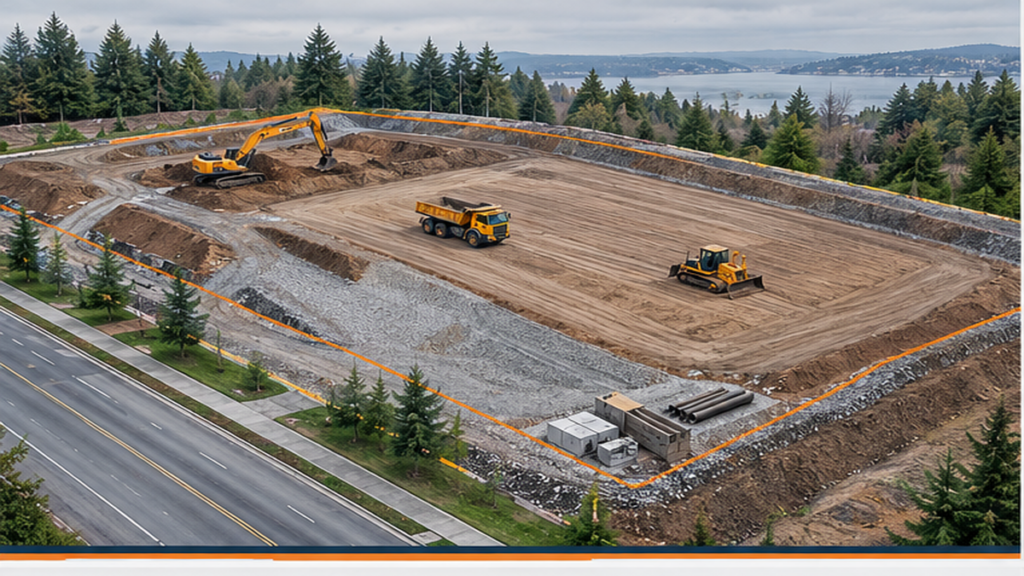
Grading And Site Preparation
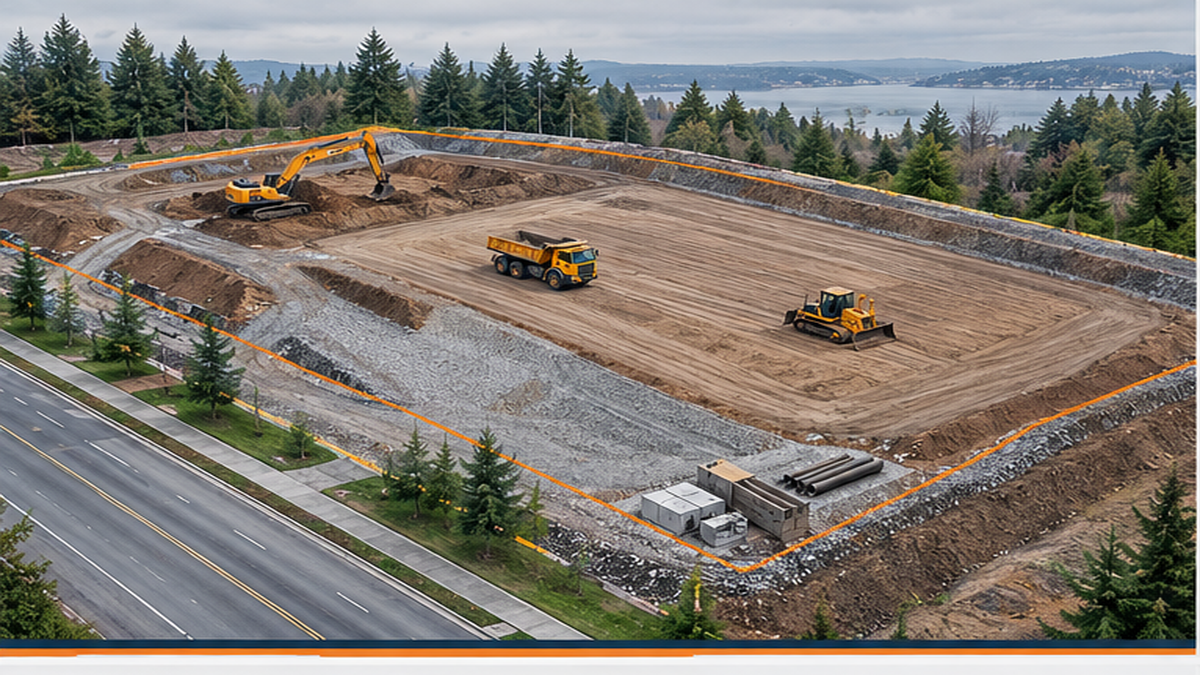
Grading and site preparation involves clearing debris, excavating soil, and leveling the ground so developers and general contractors can pour a stable foundation. When you are dealing with unstable soils or tight schedules before a foundation pour in Washington or Oregon, you need an earthworks contractor who delivers a turnkey site package. Ruffhouse Construction LLC, based in Federal Way, WA, handles the complete scope of dirt work, from initial demolition to final utility trenching. We are the installer, not the design engineer. Send the plan set and geotech report by email—we review access and soil realities, then give a fixed estimate before work starts.
What Happens During Site Preparation
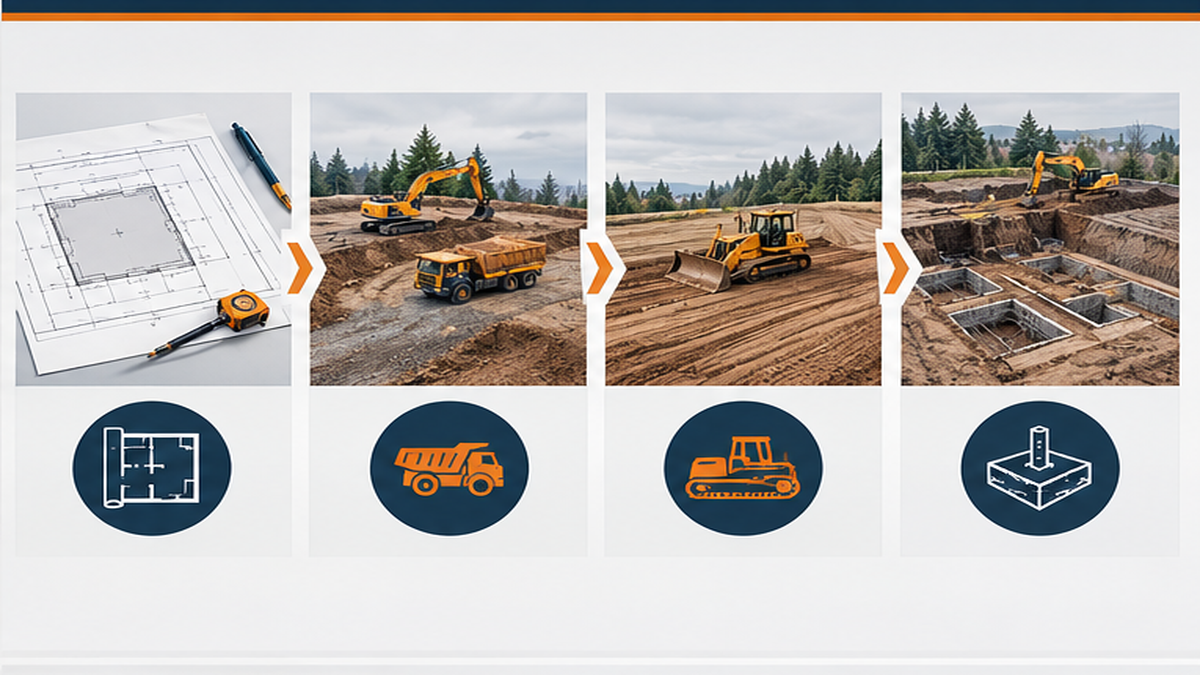
Heavy civil site preparation requires more than just moving dirt; it demands precise site grading and foundation excavation based on engineered plans. The process begins with a thorough site assessment to evaluate access for heavy machinery and trucks. Next, crews handle the demolition and soil removal, clearing away existing structures, vegetation, and topsoil that cannot support a foundation. Once the lot is cleared, earthworks begin to cut and fill the land to the required elevations.
During this phase, we also manage underground utilities and drainage systems, ensuring the site is fully prepped for the next phase of construction. For developers in King County and Pierce County, coordinating these steps through a single heavy civil contractor prevents costly delays. Instead of hiring separate crews for dirt work, soil haul-off, and utility trenching, a turnkey approach keeps the project moving smoothly. Whether the job involves standard soil removal or complex deep excavations for commercial retaining walls, the ultimate goal is to hand over a stable, properly graded pad to the concrete contractors on time.
Key Decisions Before Breaking Ground
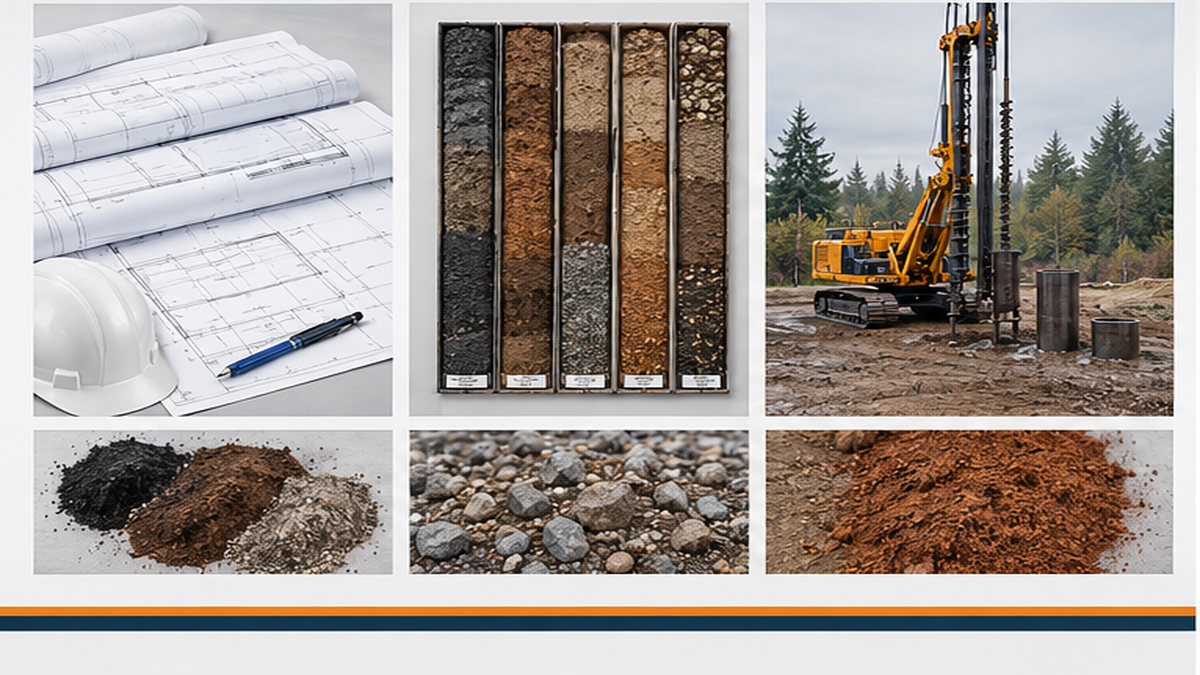
Before breaking ground, project owners and general contractors must secure a stamped plan set and a geotechnical report. We quote after you provide these documents, as they dictate the exact scope of the foundation excavation and site grading. If you do not have stamped drawings yet, start there—we can recommend a Washington-licensed firm. Another major decision involves handling material haul-off. You must determine whether the site contains clean soil, mixed demolition debris, or concrete rubble, as this directly impacts disposal facility fees and trucking requirements.
For sites with significant elevation changes, you will also need to decide on retaining structures. We offer practical alternatives, such as comparing a rockery to a soldier pile wall, when the site allows. We review your plans, check the access constraints, and help you determine the most efficient earthworks approach. If your project involves specialized requirements, such as drilled shaft excavation, having the geotech report ready ensures we can accurately assess the soil realities before providing a number.
Common Earthworks Pitfalls
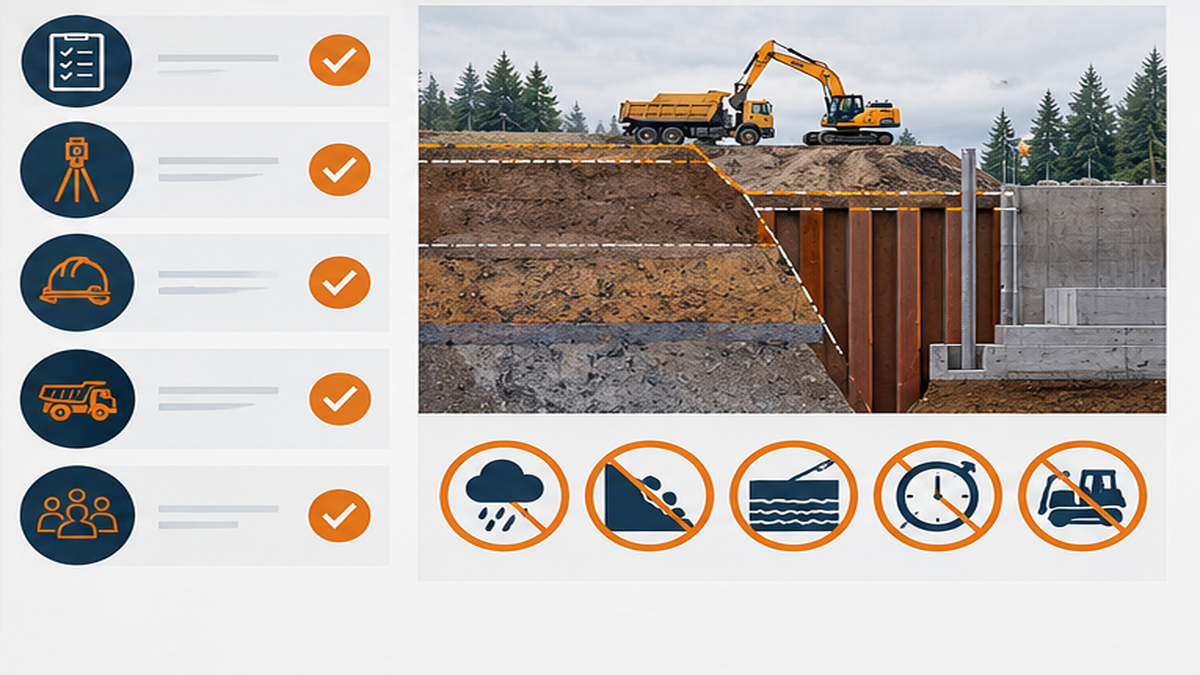
Coordinating multiple earthworks trades often leads to schedule delays that cascade into foundation and framing hold-ups. When developers hire separate companies for demolition, grading, and utilities, miscommunication frequently leaves the site unprepared for the next phase. Another frequent error is expecting a firm quote without a geotech report or stamped plans. We cannot provide a realistic number for soil haul-off or shoring without knowing what is buried beneath the surface.
Ignoring slope and water management early in the process is also a costly oversight. If temporary drainage is not established during the earthworks phase, heavy rain can wash out freshly graded pads and create unstable soils. Finally, underestimating site access can derail a budget. Tight lots that require double-handling of materials or limit the size of trucks will slow down the soil removal process. By providing comprehensive site details upfront, you allow us to account for these variables and deliver a transparent fixed price before work begins.
When to Call a Heavy Civil Contractor
When you face unstable soils, buried foundations, or hazardous materials discovered on site, you need a heavy civil contractor. Standard dirt work changes drastically when you encounter complex soil conditions that require deep foundation excavation or active slope repair. If your project in Bellevue, Kirkland, or Seattle requires high-ticket shoring, soldier pile walls, or drilling and caging, call us. We work with developers, municipalities, industrial facilities, and private landowners who need reliable execution on difficult lots.
You should also reach out when you need a complete commercial land clearing and earthworks package rather than piecemeal services. We handle the entire scope, from initial demolition to road restoration. If you are comparing options and need to understand the excavation & site prep variables for your budget, send us your plans. We respond within 24 hours on quote requests, ensuring you have the information needed to keep your project on schedule. For specific municipal requirements, such as a DPIE site grading certification, we execute the work exactly to the engineered specifications.
Related Services and Guides
Ready to Discuss Your Site Preparation?
Common Questions About Grading and Site Preparation
How much does site prep usually cost?
What are the steps involved in site preparation for construction?
How long does Excavation & Site Prep take?
How do I get an estimate?
Managing the Site Before the Foundation Pour
Once the site grading is complete, maintaining the soil stability before the foundation pour is critical for project success. Keep heavy machinery, delivery trucks, and excess foot traffic off the freshly graded pads to prevent soil compaction issues that could compromise the engineered elevations. Manage surface water by maintaining temporary drainage trenches and ensuring runoff is directed away from the excavated foundation areas.
If the site sits exposed during heavy rain, you may need to cover slopes with plastic sheeting or install silt fencing to prevent erosion and material loss into the street. Inspect the site daily for any signs of pooling water, mud accumulation, or shifting soil, especially if you are working near newly installed retaining walls, tiebacks, or shoring systems. Proper site management between the earthworks phase and the concrete pour ensures the structural integrity of the subgrade remains intact, preventing the need for costly rework before the foundation is laid.