
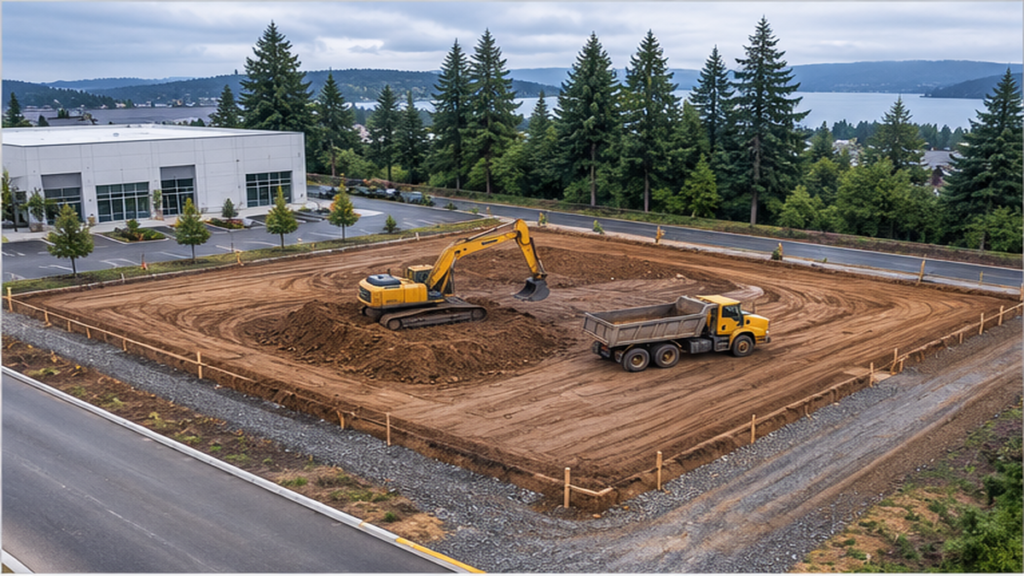
Why Foundation Work Requires Professional Excavation and Subgrade Prep
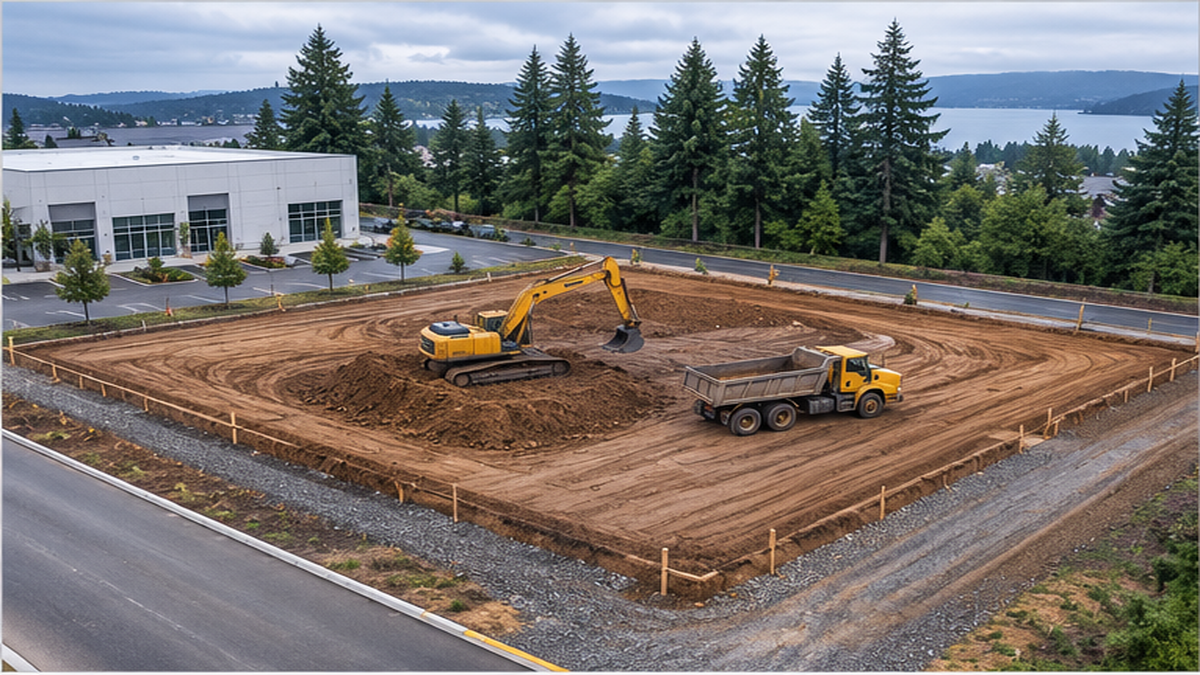
Pouring a concrete foundation directly over unexcavated ground causes structural settlement, water infiltration, and premature footing failure because topsoil cannot bear building loads. Proper excavation removes loose organic matter, establishes the engineered frost depth, and exposes stable bearing soil before footings and stem walls are formed. In Washington communities across King County and Pierce County, Ruffhouse Construction LLC performs site grading, mass excavation, and soil haul-off to create a level, compacted base ready for concrete forms. Starting with an on-site geotechnical scope review prevents unexpected subgrade failures and keeps your foundation schedule on track.
The Structural Role of Earthworks and Site Grading Before Concrete Work
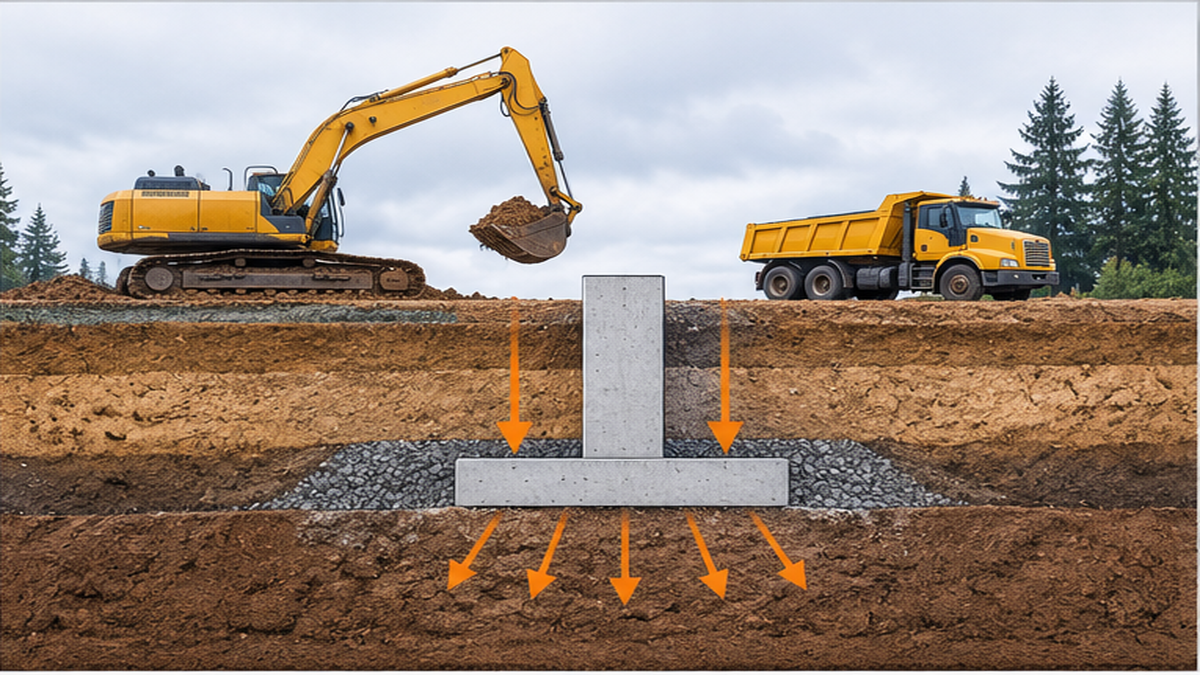
Building foundations require a firm, unyielding subgrade that carries structural weight without settling during wet Pacific Northwest weather cycles. Foundation excavation begins immediately after boundary staking and utility clearance. For heavily wooded or overgrown parcels, completing Commercial Land Clearing creates safe access for excavators and dump trucks before bulk earthworks begin. Operators strip away uncompacted topsoil and organic matter until reaching dense glacial till or engineered bearing strata identified in your project plans.
Once mass excavation reaches the specified design elevations, crews dig perimeter footing trenches, sub-slab rock pads, and foundation drainage channels. Comprehensive Excavation & Site Prep includes mechanical subgrade compaction, continuous elevation verification with laser instruments, and benching for perimeter bank stability. Systematic soil haul-off removes excess dirt from the site perimeter, giving concrete trades clean working clearance to erect formwork, set rebar, and install underslab plumbing on a firm, level platform.
Key Excavation Decisions Before Pouring Foundation Footings
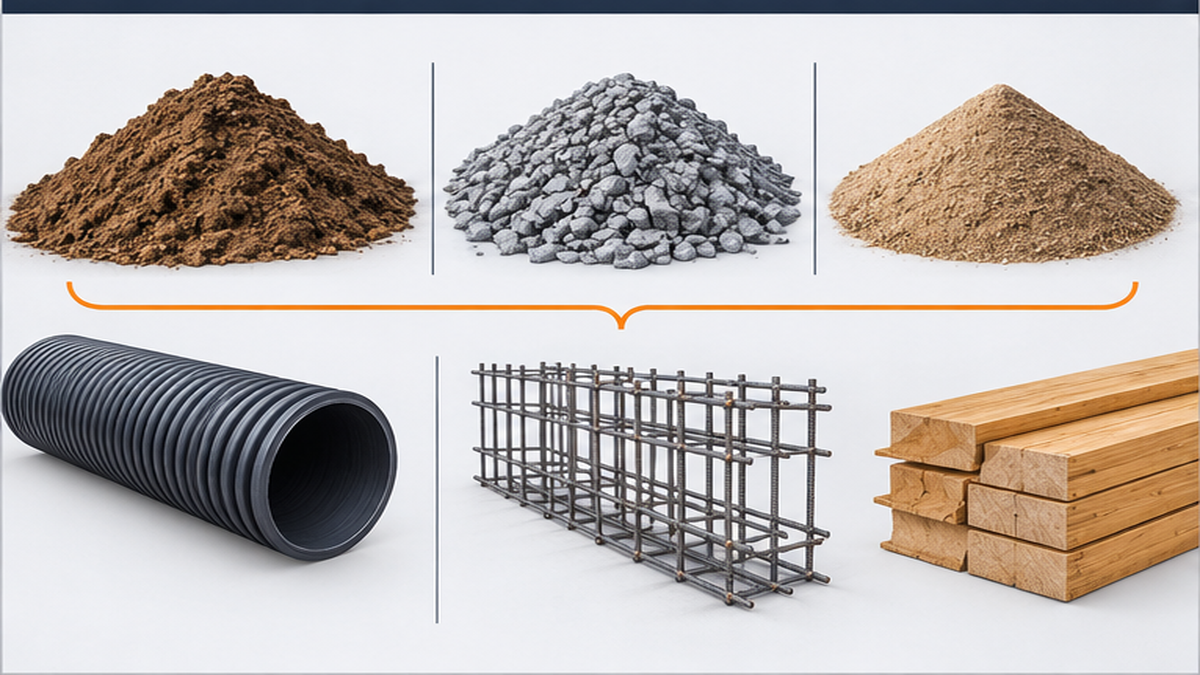
Before scheduling foundation digging, property owners and project managers must evaluate several logistical decisions that directly influence site timelines and project costs. First, determine soil balance: will excavated earth remain on site for finished grading, or does volume require export? Soil haul-off fees and trucking logistics increase when wet, clay-heavy dirt must be transported to licensed regional fill sites rather than redistributed across the property.
Second, evaluate site access and machine mobility. Narrow access corridors, overhead wires, or tight property boundaries in cities like Federal Way, Bellevue, or Seattle may require compact excavators rather than large mass-excavation machinery, changing the digging duration. Third, address seasonal moisture and water table management. Digging during wet months demands immediate drainage rock placement and temporary sump pumping to keep open trenches from softening before footing inspections. Coordinating utility trenching alongside main foundation cuts also avoids re-digging compacted subgrade later.
Excavation Pitfalls That Cause Foundation Complications
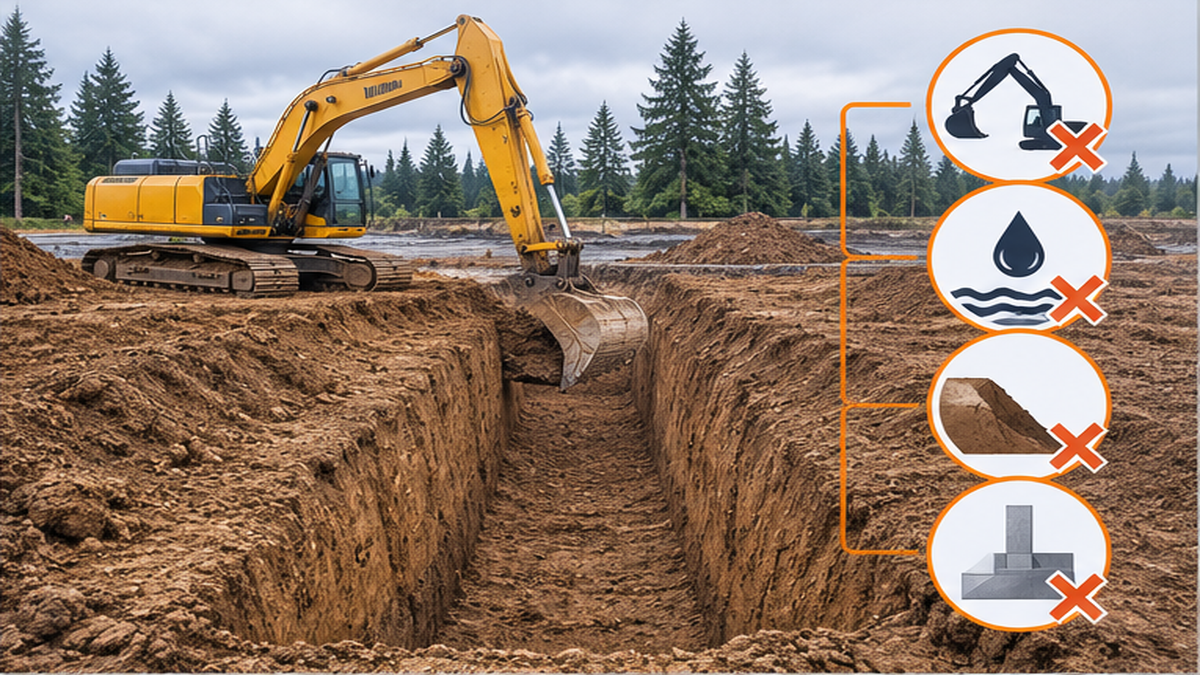
Over-excavating foundation trenches is a frequent error on residential and commercial sites. Digging below the structural engineer's specified footing elevation disturbs consolidated native soil; refilling the trench with uncompacted loose dirt creates soft pockets that lead to uneven settling. When an over-dig occurs, the contractor must either pour extra concrete or backfill with compacted structural aggregate verified by density testing.
Another common mistake is failing to address surface runoff and groundwater control during the dig. Leaving an open excavation unprotected during heavy rainfall saturates bearing soils, turning hardpan into unstable mud and delaying concrete delivery. Additionally, failing to verify underground utility locations before trenching risks severe service interruptions and safety hazards. Builders also run into expensive delays when they begin earthworks without an approved geotechnical report, only to discover buried boulders, organic debris, or undocumented fill that requires immediate remediation before concrete work can proceed.
When Complex Ground Conditions Demand Professional Earthwork Contractors
While minor surface grading or trenching for shallow landscape walls can sometimes be managed with small rental machines, full foundation excavation requires commercial earthmoving equipment and technical operator skill. Sites featuring steep slopes, uncompacted fill, or proximity to existing structures require engineered slope stabilization, soldier pile walls, or benching to prevent trench collapse during digging.
When geotechnical soil testing reveals deep unstable strata or high water tables, deep foundation solutions such as Drilled Shaft Excavation or pin piling may be mandated by project engineers to transfer building loads to solid bedrock. Ruffhouse Construction LLC specializes in high-stakes earthworks, shoring, and deep drilling across Washington and Oregon. Calling an experienced contractor becomes essential when your excavation depth exceeds four feet, when groundwater requires active trench dewatering, or when local building departments require stamped earthwork submittals and certified site grading before issuing foundation permits.
Related Site Preparation and Earthwork Guides
Plan Your Foundation Excavation with Ruffhouse Construction LLC
Frequently Asked Questions About Foundation Excavation
How is Excavation & Site Prep priced in my area?
how need excavation before foundation exposed during?
How long does Excavation & Site Prep take?
How do I get an estimate?
Protecting Excavated Subgrades Before Concrete Pours
Maintaining an open excavation site between bulk digging and concrete placement prevents weather damage and costly subgrade rework. First, place heavy-duty tarps or erosion control plastic over exposed trench walls and open footing trenches if rain is expected. Unprotected clay or silt subgrades quickly turn into slurry when exposed to stormwater, requiring crews to scrape out contaminated mud and replace it with crushed rock.
Second, establish gravity swales or temporary sump pits at the low corners of the excavation to collect and pump out standing water before it can pool around future footing lines. Third, restrict heavy vehicle traffic near the trench crest. Driving loaded concrete trucks or delivery vehicles too close to uncompacted trench edges can cause slope sloughing, caving in prepared footing channels and endangering workers. Inspecting the subgrade daily before formwork installation ensures the site remains dry, level, and ready for structural inspections.