
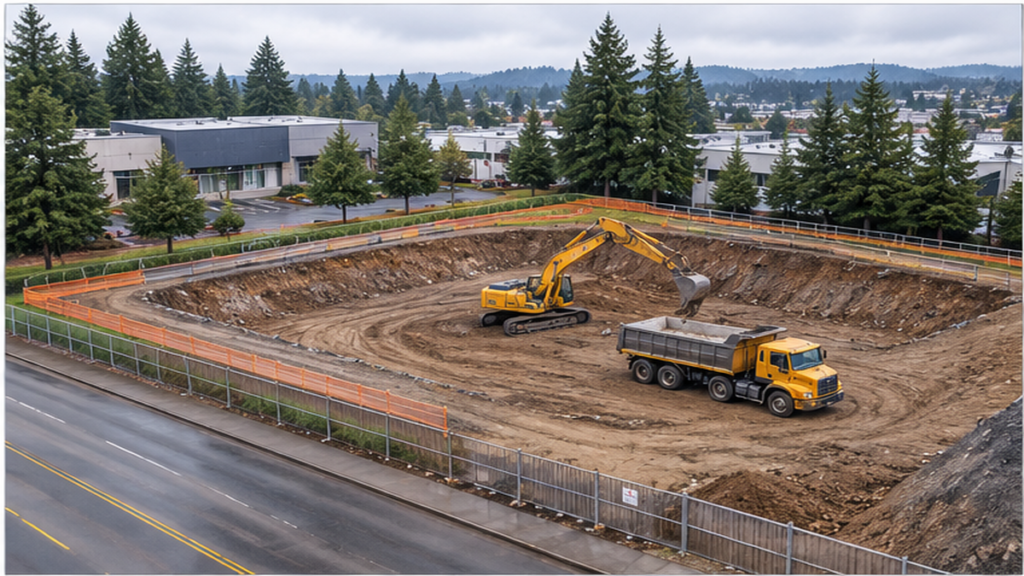
How Unstable Excavation Walls Are
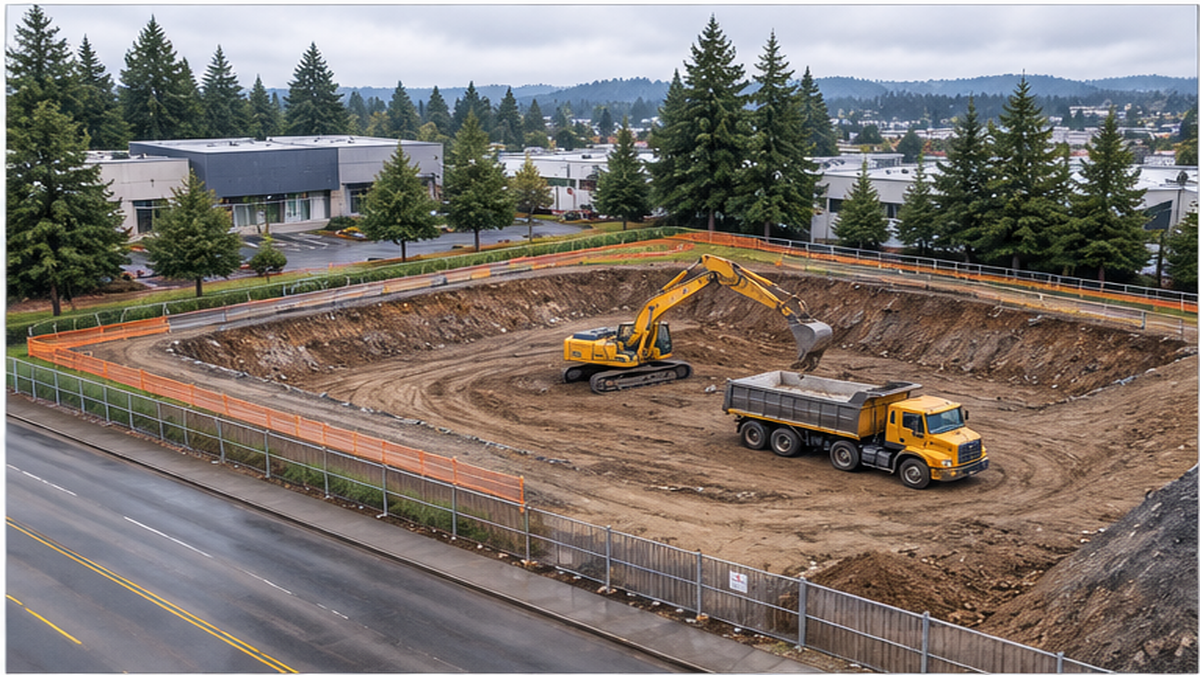
Unstable excavation walls are vertical or sloped earth cuts that lose soil shear strength, slump, cave, or shift when exposed by digging, groundwater, surcharge loads, or soil composition. Ruffhouse Construction LLC, based in Federal Way, WA and serving Washington and Oregon, handles excavation, site grading, earthworks, and soil haul-off for developers, general contractors, and property owners who need a practical scope review and fixed estimate after reviewing plans and geotech.
No public price list or instant online calculator number applies because ground conditions, access, and disposal volumes vary from lot to lot. Starting with stamped plans and a geotechnical report lets our crew review site realities and scope the work before digging begins.
What Makes Excavation Walls Unstable in Practice
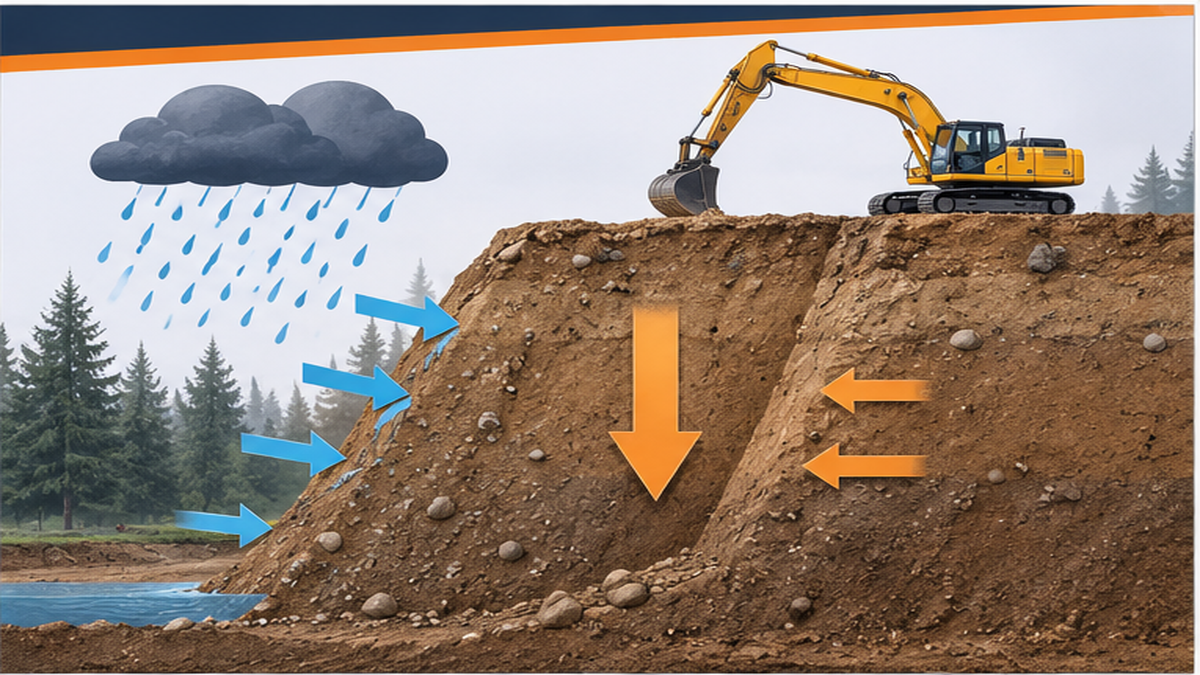
An excavation cut stays stable only as long as the remaining soil holds its internal friction and cohesion against gravity, water pressure, and nearby weight. Loose or granular soils, wet seams, and cuts left open during changing weather can ravel, slough, or give way at the toe or crest. Adjacent structures, stored materials, or heavy equipment near the edge add surcharge loads that push unstable ground inward.
On site, wall stability shapes every part of foundation excavation and earthworks planning. If soil cannot stand safely on its own or if lot lines leave no room to lay back slopes, stabilizing the cut or adjusting the earthworks sequence becomes part of the plan. For full Excavation Contractor work on grading and site cuts, our crew reviews the drawings, soil data, and lot access before quoting a fixed number.
Key Decisions Before Digging Starts

Before excavation begins in Washington or Oregon, project leads and property owners should confirm four practical items: stamped drawings, a geotechnical report, site access for equipment and soil haul-off, and the target schedule before foundation work. If you do not have stamped engineering or geotechnical reports yet, start with the appropriate engineer first—we can recommend a Washington firm when needed, because Ruffhouse Construction LLC installs and grades rather than stamps structural designs.
Cost drivers come down to concrete site and scope factors rather than a flat rate. Material type (clean soil versus mixed demolition debris or concrete rubble), total volume and weight at the disposal facility, tight lot access requiring double-handling, debris readiness versus active sorting, contaminated or regulated material handling, buried foundations or unstable soils found during work, and tight foundation pour schedules all shape the estimate. You can also read more on Excavation & Site Prep budgeting factors to see how scope elements fit together.
Common Mistakes With Unstable Cuts and Soil Haul-Off
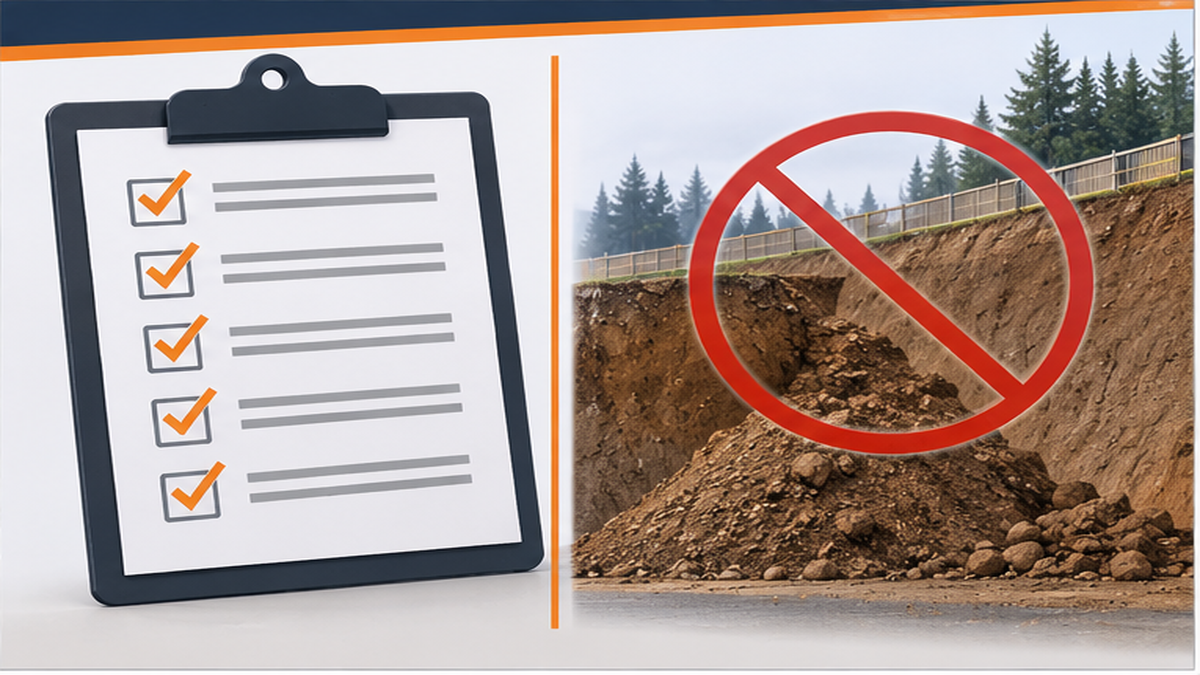
One frequent mistake is asking for a firm price or starting earthworks before geotechnical data and final plans are in hand. Guessing at soil behavior on a sloped or tight lot leads to scope changes, rework, and delays that can push back foundation and framing schedules.
Another common slip is underestimating soil haul-off logistics, surface water runoff, or equipment space near existing structures. Mixing unseparated debris with clean soil or leaving excavated cuts exposed without proper drainage and scope planning creates avoidable slowdowns once machines are on site.
When To Bring in a Contractor or Engineer
Bring in a licensed structural or geotechnical engineer whenever a cut involves structural load ratings, engineered design stamps, or an existing leaning or distressed wall that needs engineering evaluation. Ruffhouse Construction LLC operates as the earthworks and site-prep installer—not the design engineer—so we review approved plans and geotech reports rather than issuing engineering stamps or firm repair quotes without engineer and geotech input.
Once you have plans and soil information—or if you need a site visit to check access and scope for excavation, grading, demolition, or soil haul-off in Federal Way, King County, Pierce County, or across Washington and Oregon—send the details over for a scope review. We aim to respond within 24 hours on quote requests and provide a clear written estimate before work begins.
Related Excavation Pages
Review Your Plans and Site Scope
Common Questions on Unstable Excavation Walls and Site Prep
How is Excavation & Site Prep priced in my area?
how unstable excavation walls are made?
How long does Excavation & Site Prep take?
How do I get an estimate?
Ongoing Site and Slope Care After Earthworks
Once earthworks and site grading are complete, keep surface water directed away from slopes, cuts, and graded pads so runoff does not erode soil or saturate the ground. Avoid stockpiling heavy materials, spoil piles, or vehicles right along newly graded edges or near foundation trenches without checking site plans.
Inspect graded areas and drainage paths after heavy rain and follow the project's documented scope and maintenance notes. If new ground movement, washouts, or changes in site conditions appear, document what changed and contact the project engineer and contractor before adding loads.