
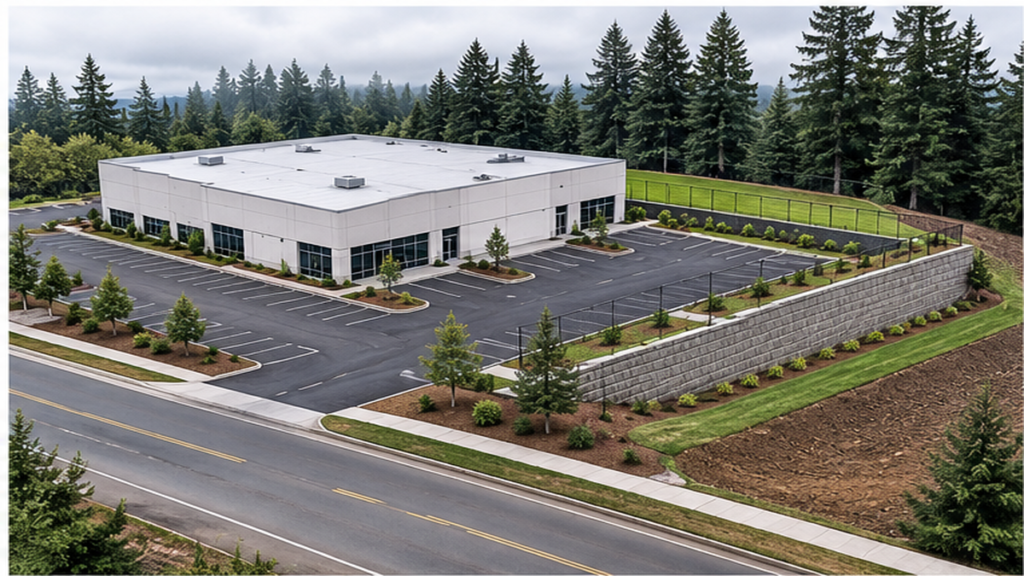
Landscape Retaining Wall
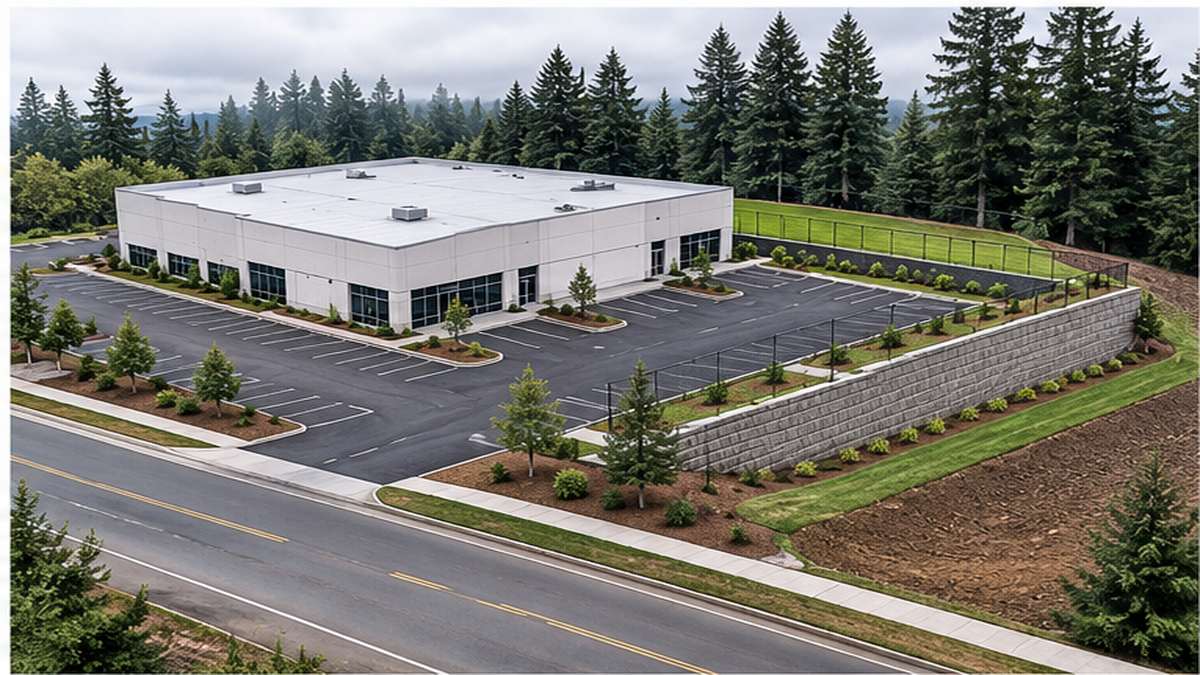
Managing unstable slopes or expanding buildable area in Washington often requires a structural landscape retaining wall built with soldier piles or heavy rockery. If you are dealing with failing soil or preparing a site for foundation work, the first step is securing a geotech report and stamped engineering plans. Once you have those documents, an earthworks contractor can assess site access and provide a fixed installation estimate. Skipping the engineering phase leads to inaccurate pricing and structural failures, so gathering your site data is the critical first move.
How Structural Retaining Walls Are Installed
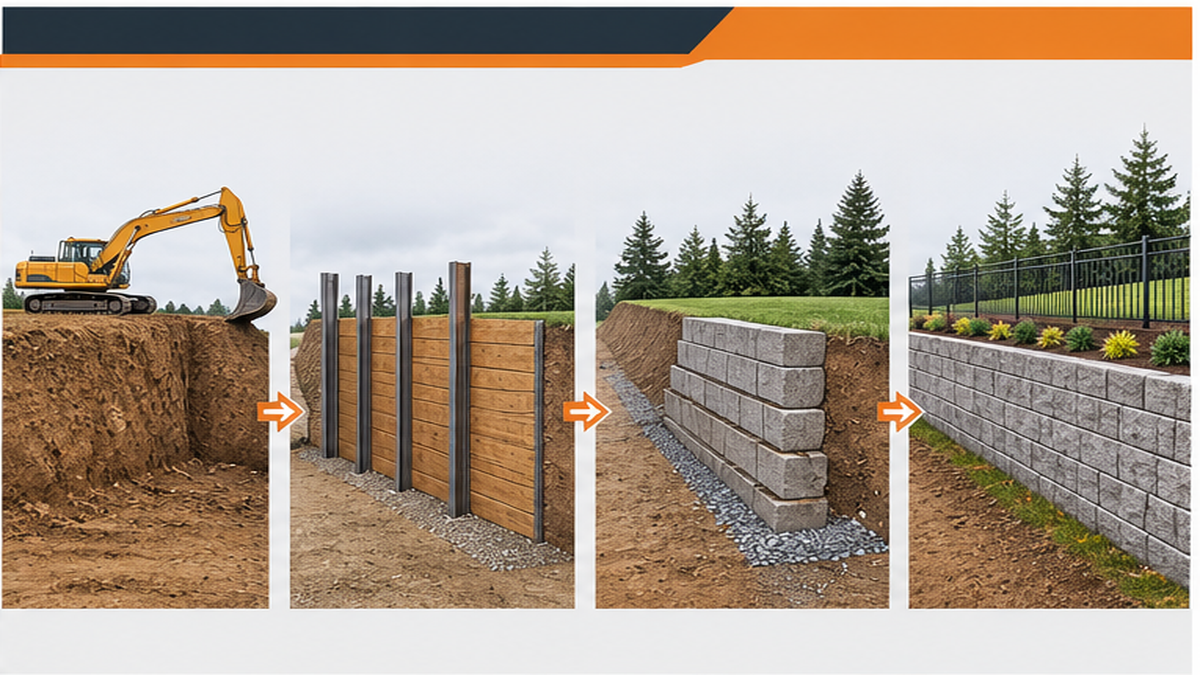
Building a structural landscape retaining wall is an engineering and excavation process, not just a landscaping task. For deep cuts, steep grades, or commercial sites, standard block walls are rarely sufficient. Instead, heavy civil installers use soldier pile and lagging walls, Sheet Pile Wall systems, or large rockery to hold back earth and manage water.
| Wall Type | Best Used For | Installation Method |
|---|---|---|
| Soldier Pile & Lagging | Deep excavations, tight property lines, heavy surcharge loads. | Drilling steel piles into the earth, encasing in concrete, and placing timber or steel lagging. |
| Sheet Pile | Waterfronts, temporary shoring, sites with high water tables. | Driving interlocking steel sheets directly into the ground. |
| Heavy Rockery | Shorter tiered slopes, a Backyard Retaining Wall with ample space. | Stacking massive boulders with heavy excavators, relying on gravity and mass. |
The installation process starts with heavy equipment access. We excavate the necessary grade, drill and cage the piles, and install the lagging or retaining material according to the structural engineer's specifications. Proper drainage—such as perforated pipe and clean drain rock behind the wall—is critical to prevent hydrostatic pressure from building up and causing wall failure. Because every site has unique soil conditions, a geotechnical report dictates the depth of the piles and the required shoring method.
Key Decisions Before Requesting an Estimate
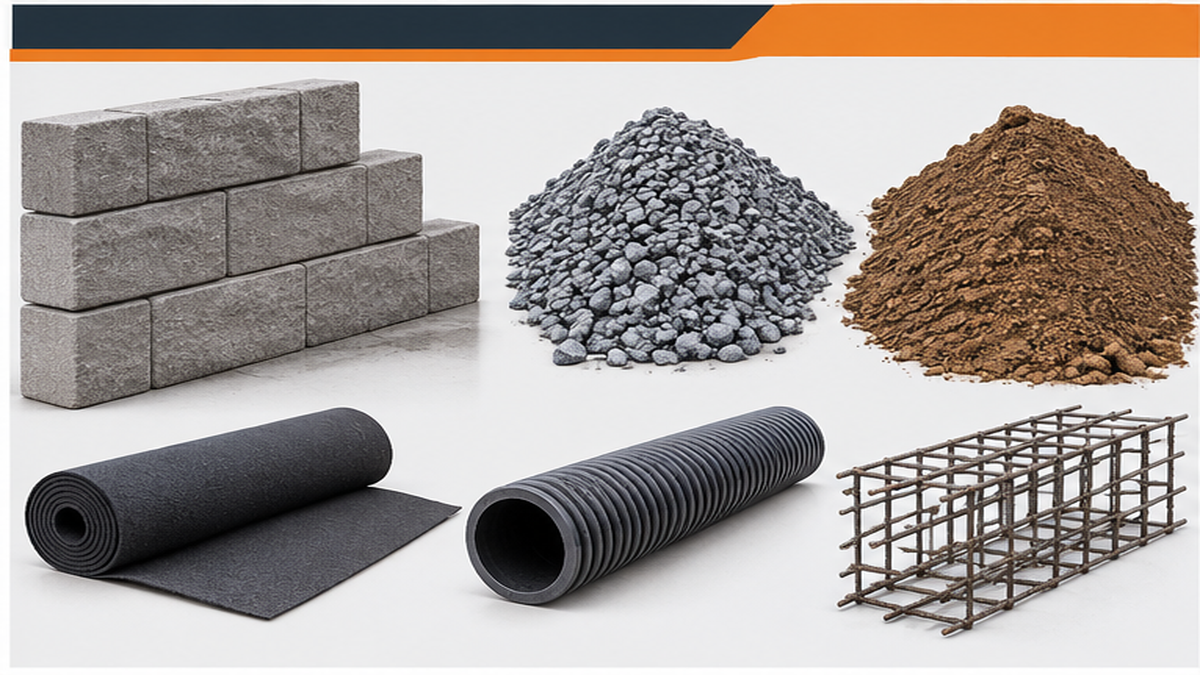
Before requesting an estimate for a landscape retaining wall, property owners and general contractors must finalize several project variables. Knowing these details ensures your quote reflects reality.
- Engineering and Geotech: Do you have stamped plans? Installers build to the engineer's specifications. If you do not have a plan set yet, you need to hire a WA-licensed structural engineer first. Looking at Backyard Retaining Wall Ideas is helpful for aesthetics, but the geotech report dictates the structure.
- Site Access: Can heavy drilling rigs and excavators reach the wall location? Tight access requires specialized equipment or benching, which impacts the project timeline and equipment mobilization costs.
- Soil Haul-Off: Excavating a hillside generates massive amounts of dirt. Your estimate should clearly state whether demolition and soil removal are included in the turnkey package. If you Need Soil Haul Off Cost factored in, we must calculate the volume and weight of the material leaving the site.
- Material Type: Will the site require clean soil removal, or is there mixed demolition debris and concrete rubble buried in the slope? Disposal fees vary heavily based on what we pull out of the ground.
Common Mistakes in Retaining Wall Projects
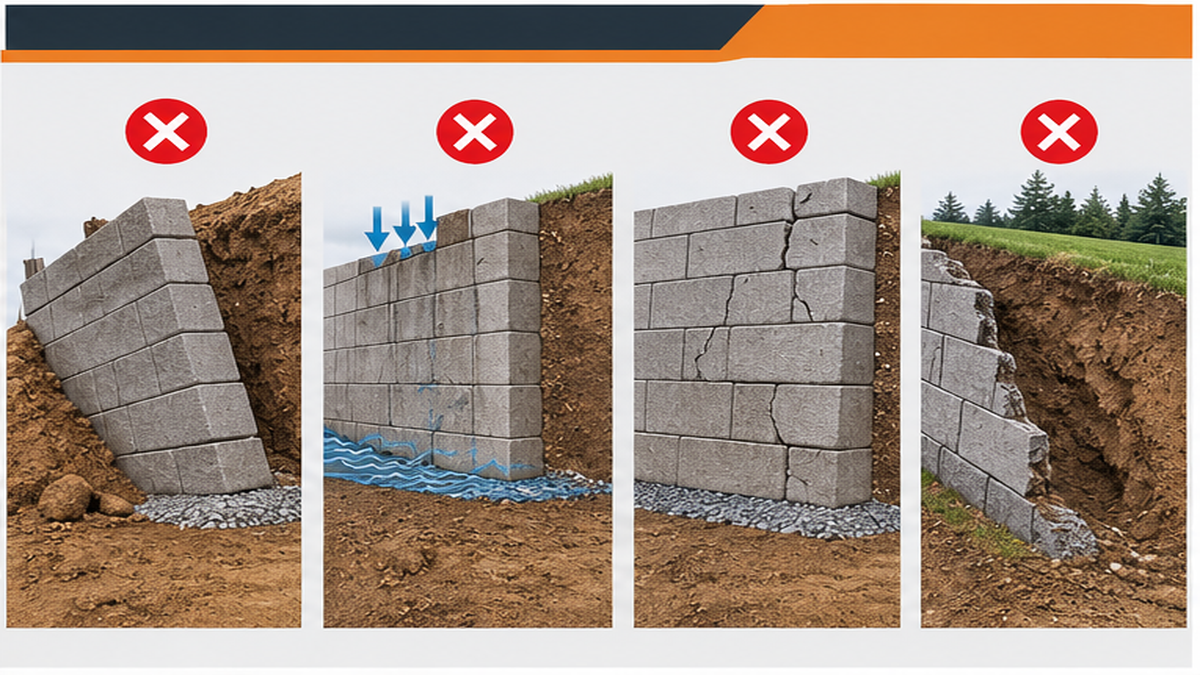
The most frequent error in retaining wall construction is attempting to build without a geotechnical assessment. Guessing at soil stability often leads to leaning walls, property damage, and expensive rework. Another major mistake is ignoring hydrostatic pressure. A wall might be structurally sound, but if it lacks proper stormwater drainage and backfill, trapped water will eventually push it over.
Property owners also make the mistake of asking for a firm price over the phone before providing a plan set. Because costs depend heavily on material type, drilling depth, and disposal fees for excavated soil, blind online numbers are highly inaccurate. We are the installer, not the design engineer, so we need to see the stamped drawings to calculate the exact labor and materials required. Finally, failing to secure the right permits before excavation can shut down a job site, causing cascading delays for foundation and framing crews.
When to Call an Earthworks Contractor
You need a heavy civil earthworks contractor when your retaining wall project involves deep excavation, structural Shoring & Stabilization, or soldier pile installation. If your property has a steep slope, signs of landslide activity, or requires a wall taller than four feet, local building codes generally mandate engineered solutions.
Call a professional when you have your geotechnical report and stamped plan set ready for review. An experienced installer will look at the access constraints, review the soil realities, and coordinate the drilling, caging, and drainage systems. If you do not have an engineer yet, we can recommend a licensed Washington firm to get your project started. If you are a developer or general contractor facing tight schedules before a foundation pour, bringing in a dedicated shoring and excavation crew ensures the site preparation stays on track and meets all structural requirements.
Related Services and Guides
Ready to Review Your Project Scope?
Common Questions About Landscape Retaining Walls
How is Shoring & Stabilization priced in my area?
What is the formula for retaining wall design?
How long does Shoring & Stabilization take?
How do I get an estimate?
Maintaining Your Retaining Wall
Maintaining a landscape retaining wall primarily involves monitoring its drainage system and structural alignment. Regularly inspect the weep holes and drain pipes to ensure they are clear of mud, roots, and debris. If water pools behind the wall after heavy rain, the drainage rock may be clogged, which increases hydrostatic pressure against the structure.
Additionally, check the wall face for any signs of bulging, cracking, or leaning, especially after significant freeze-thaw cycles or seismic events. Keep heavy loads, such as new outbuildings or parked vehicles, away from the top edge of the wall unless the structure was specifically engineered to handle that surcharge. If you notice soil erosion at the base of the wall, address it immediately to prevent the foundation or soldier piles from becoming exposed and compromised. Proper surface water management above the wall is the best way to extend its lifespan.