
Understanding Soil Haul-Off Costs in Federal Way
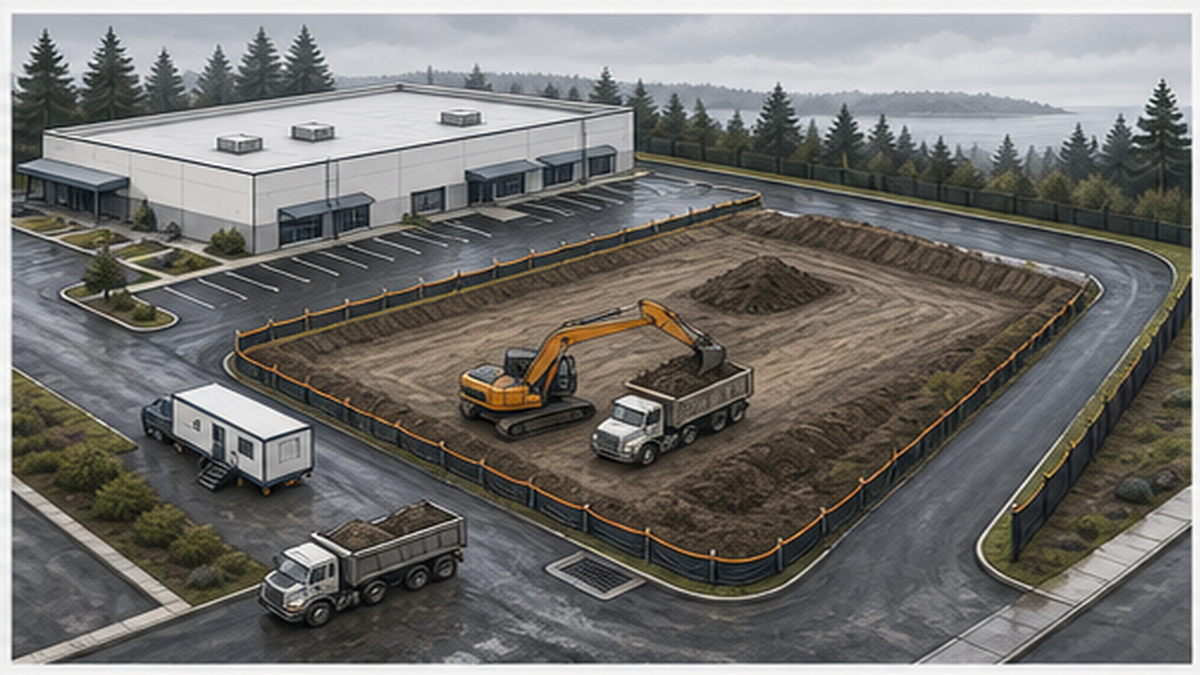
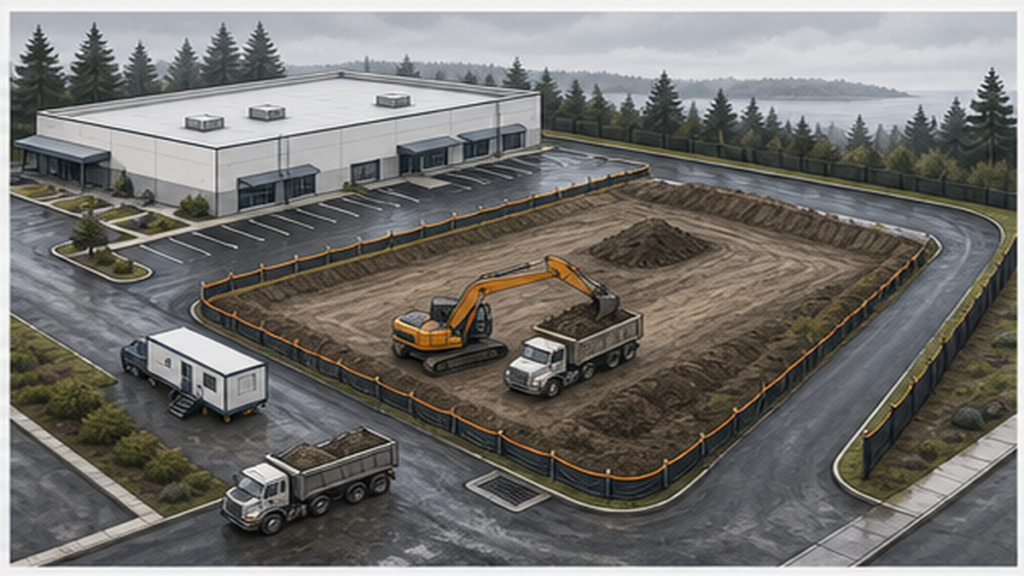
Excavation surplus, foundation cutouts, and regrading piles quickly turn into major jobsite bottlenecks when loose soil has nowhere to go. Hauling soil off a site in Federal Way does not carry a single flat rate because pricing is driven by soil volume, moisture content, disposal facility tipping fees, and physical truck access. We do not publish blind price tables or speculative online calculators because off-site dirt removal depends directly on whether the material is certified clean fill or mixed structural rubble. A reliable project budget requires an on-site review or civil plan evaluation before establishing a firm written figure.
Why Dirt Removal Bids Vary Across Jobsites
Two properties in King County with identical yardage requirements often receive completely different haul-off proposals. The primary variance lies in material weight, moisture saturation, and loading efficiency. Wet native glacial till or dense saturated clay weighs substantially more per cubic yard than dry topsoil, which drives up commercial disposal facility tipping fees calculated across transfer scales.
Site logistics also alter production rates. A property allowing tandem dump trucks to park immediately adjacent to the soil stockpile can be loaded rapidly with an excavator. Conversely, an infill residential lot with narrow property lines or overhead power lines requires mini-excavators or skid-steers to shuttle dirt to the street curb. That double-handling doubles machine runtime and truck turnaround cycles, changing the labor and haul components of the proposal.
Core Factors That Shape Your Haul-Off Quote

When our team reviews civil drawings or conducts a site walk, we evaluate key operational drivers rather than applying generic square-foot estimates:
| Cost Driver | Operational Impact | Quote Variable |
|---|---|---|
| Material Classification | Clean inert fill vs. clay, heavy organic root mass, or rock | Determines approved dump site tipping fees and acceptance |
| Total Bulk Volume | Total yardage adjusted for swell factor after excavation | Dictates truck trips, axle weight limits, and disposal passes |
| Site Ingress & Staging | Room for standard dump trucks versus transfer rigs or shuttles | Governs machine cycle time, labor hours, and street protection |
| Contamination Status | Clean soil vs. presence of buried demolition debris or asphalt | Requires certified waste testing and dedicated disposal handling |
| Schedule Pressures | Standard site sequencing versus emergency structural dig-out | Influences crew allocation, machine dispatch, and trucking pace |
Understanding these variables helps builders evaluate trade quotes accurately before excavation begins.
What a Complete Soil Removal Scope Covers
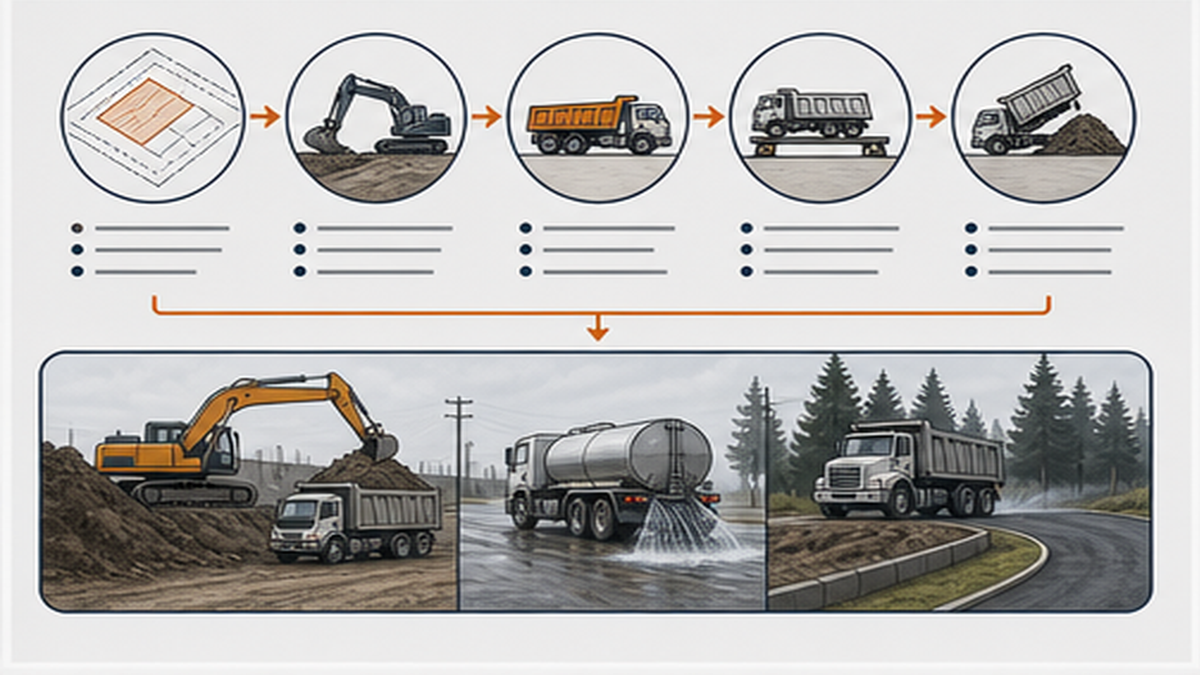
A professional earthworks quote covers far more than an operator and a truck bed. Turnkey soil export proposals account for machine mobilization, skilled machine operation, on-site sorting, transport, and certified dumping documentation.
Standard scopes include mechanical loading, street sweeping, tire washdowns to keep public rights-of-way clean, and payment of all disposal facility fees. When excess dirt is intermingled with concrete footings or old slabs, contractors coordinate with a licensed Construction Debris Removal Company to separate salvageable clean fill from mixed waste. A complete contract outlines daily load counts, transport route coordination, and site sign-offs before the excavation phase closes.
Conditions That Drive Disposal Quotes Upward
Unexpected site obstacles can increase the final cost of soil disposal. The most frequent issue encountered in Federal Way excavations is buried debris. Finding hidden brick, buried asphalt paving, or abandoned utility trenches turns an ordinary dirt export project into a sorting and processing operation.
Other cost accelerators include steep slopes, tight working access, and poor soil stabilization. When trucks cannot back up to an excavation pit due to soft ground, crews must stage steel plates or timber mats to prevent rigs from sinking. Additionally, projects that mix general Construction Debris into clean soil stockpiles face higher mixed-waste commercial gate fees rather than standard clean-fill tipping rates.
Practical Ways to Keep Haul-Off Budgets Under Control
Homeowners and developers have practical levers to avoid inflated dirt export expenses. The most effective approach is balancing cut and fill on the property. If structural engineering and landscaping grades permit, utilizing excavated subsoil for retaining wall backfill, terrace leveling, or perimeter berms eliminates trucking fees altogether.
When soil must leave the property, keeping stockpiles clean is essential. Prevent crews from throwing trash, sod clumps, or lumber onto excavated dirt piles. Clean, uncontaminated mineral soil qualifies for lower tipping rates at regional reclamation sites. Providing clear staging space on the driveway or staging area so trucks load continuously without idling also keeps equipment hours to a minimum.
The Hidden Costs of Unqualified Hauling Bids
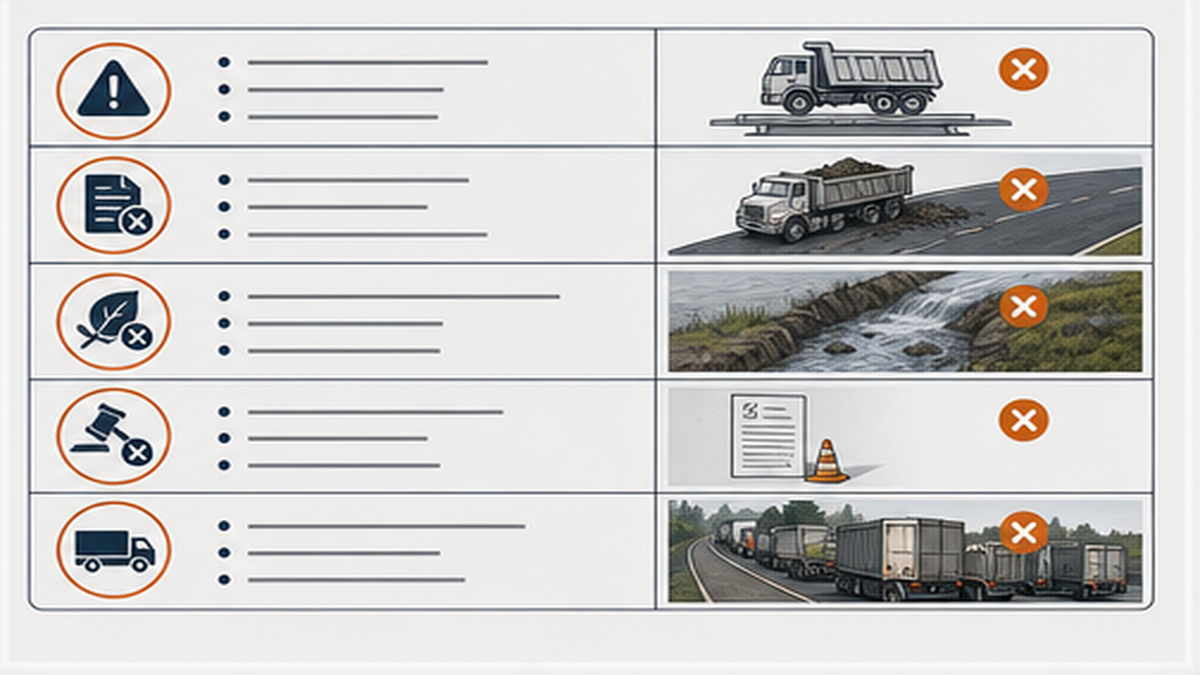
Choosing the lowest informal quote for dirt removal often creates serious liability for property owners. Low-bid haulers frequently overlook weight compliance, legal disposal permits, or road cleaning mandates. If an overloaded dump truck damages residential asphalt, cracks municipal curbs, or spills mud across public roadways, the property owner and general contractor can face municipal citations and cleanup backcharges.
Cut-rate operators also cut corners on dumping documentation. Unlicensed dumping on unauthorized parcels risks environmental code violations and site shutdown orders. A transparent earthworks proposal provides scale weight tickets, designated legal facility destinations, and clear equipment insurance before tires hit the street.
When to Request a Site Walk and Formal Estimate
Simple grading jobs with minor excess dirt can occasionally be reviewed through site photographs and rough footprint measurements. However, when an excavation involves foundation dig-outs, steep slopes, or unknown subgrade layers, a professional site assessment is necessary. Reviewing geotechnical reports and civil grading plans allows our team to identify soil density, seasonal water tables, and physical access constraints.
To prepare for an accurate site review, gather existing plot plans, mark planned excavation depths, and determine where machines can stage safely. For specialized grading and tight-access machine clearing, homeowners can Learn more about this service to evaluate equipment requirements prior to the technician visit.
Common Questions About Soil Hauling and Disposal
Does it cost money to drop stuff off at a landfill?
What is the most budget-friendly way to get rid of dirt?
How long does Demolition & Soil Removal take?
How do I get an estimate?
Plan Your Soil Removal Project with Clear Scope Details
Budget Planning and Project Cost Scope Tiers
Earthworks projects fall into three practical cost scope tiers depending on site preparation requirements:
- Targeted repair or refresh: Surface scraping, minor garden regrading, and localized stockpile removal with direct driveway truck access. This tier involves minimal sorting and rapid cycle times.
- Standard replacement or installation: Foundation footing excavations, crawlspace dig-outs, or residential utility trenching. Soil volume is moderate, requiring planned truck turnarounds and certified clean-fill tipping fees.
- Expanded reconfiguration: Major hillside cuts, deep basement excavations, or commercial mass grading requiring specialized shoring, track mats, and multi-truck hauling rotations over multiple days.
Structuring your budget around these tiers helps establish realistic financial allocations before breaking ground.
How Jobsite Schedules Directly Impact Overall Hauling Costs
Project schedules and earthwork costs are closely connected on every active jobsite. Rushing an excavation right before a concrete foundation pour often requires dispatching extra tandem trucks or larger excavators to compress hauling into a single shift. While this keeps framing crews on schedule, standby trucking fees can accumulate if traffic on regional corridors slows turnaround times.
Weather conditions in Western Washington also influence operational speed. Sustained rain increases moisture saturation, transforming manageable stockpiles into heavy, sticky mud that slows bucket loading and increases bridge scale weight fees. Scheduling soil haul-off during stable weather windows and establishing clear truck turnaround routes prevents costly equipment downtime and keeps the overall site package moving smoothly.