
Haul Off Soil
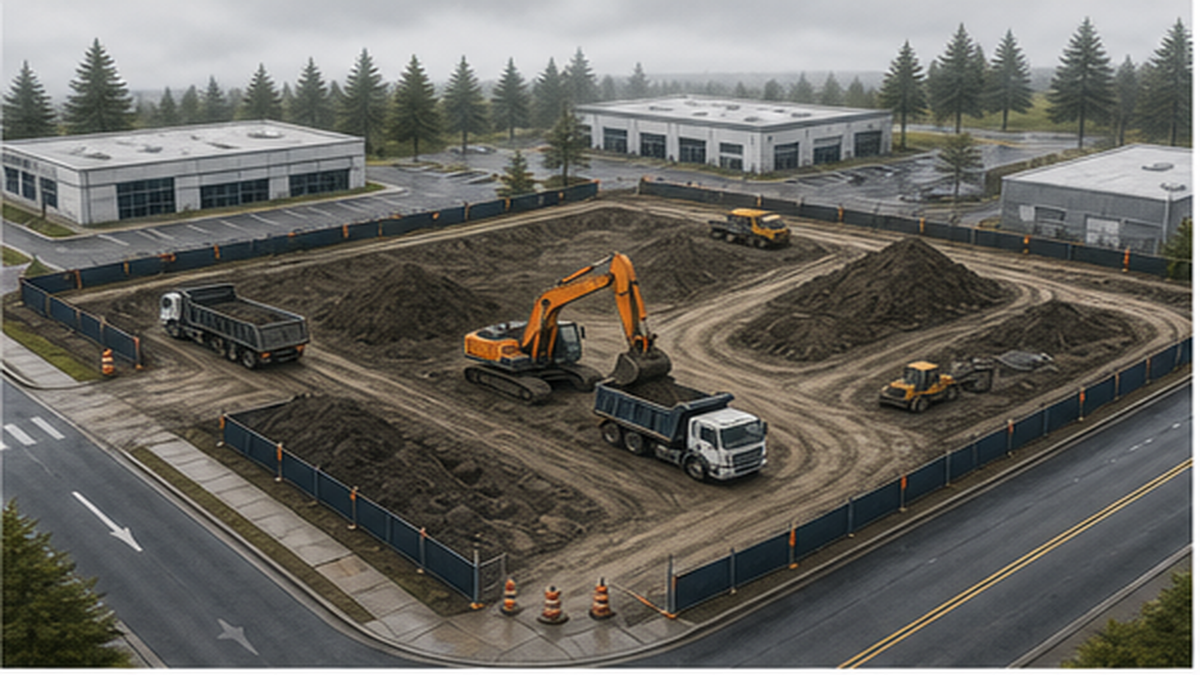
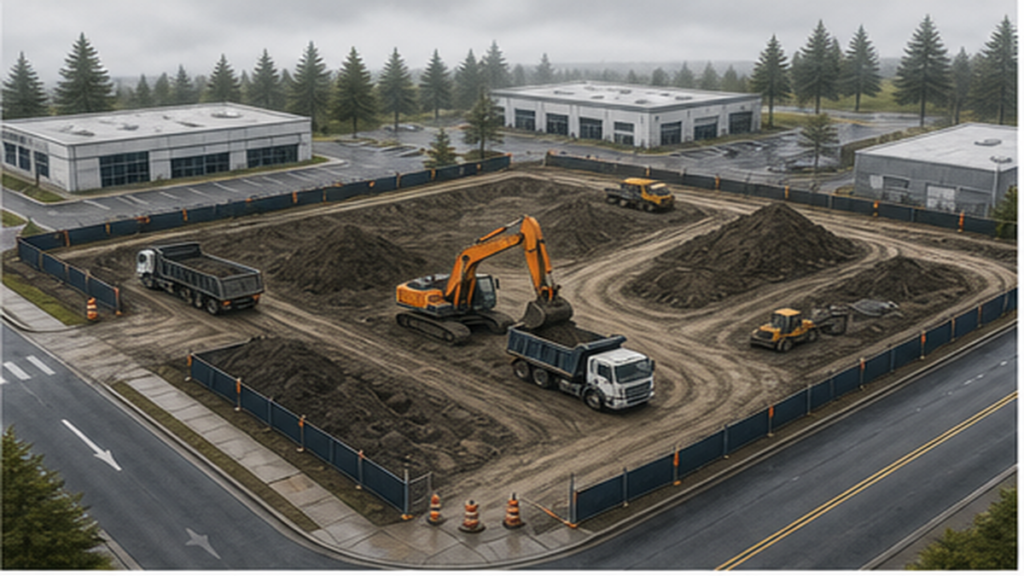
When your site is overwhelmed by excavated dirt, you need a heavy civil contractor to haul off soil efficiently so your foundation or framing crews can stay on schedule. Ruffhouse Construction LLC provides demolition and soil removal for developers, general contractors, and private landowners across Washington and Oregon. Based in Federal Way, we handle the full earthworks scope, from initial site prep to final soil haul-off. Managing large volumes of clean soil, mixed demolition debris, or concrete rubble requires heavy equipment and permitted disposal sites. We review your plan set and site access, then provide a fixed written estimate before any machines arrive on site.
Understanding the Soil Removal Process
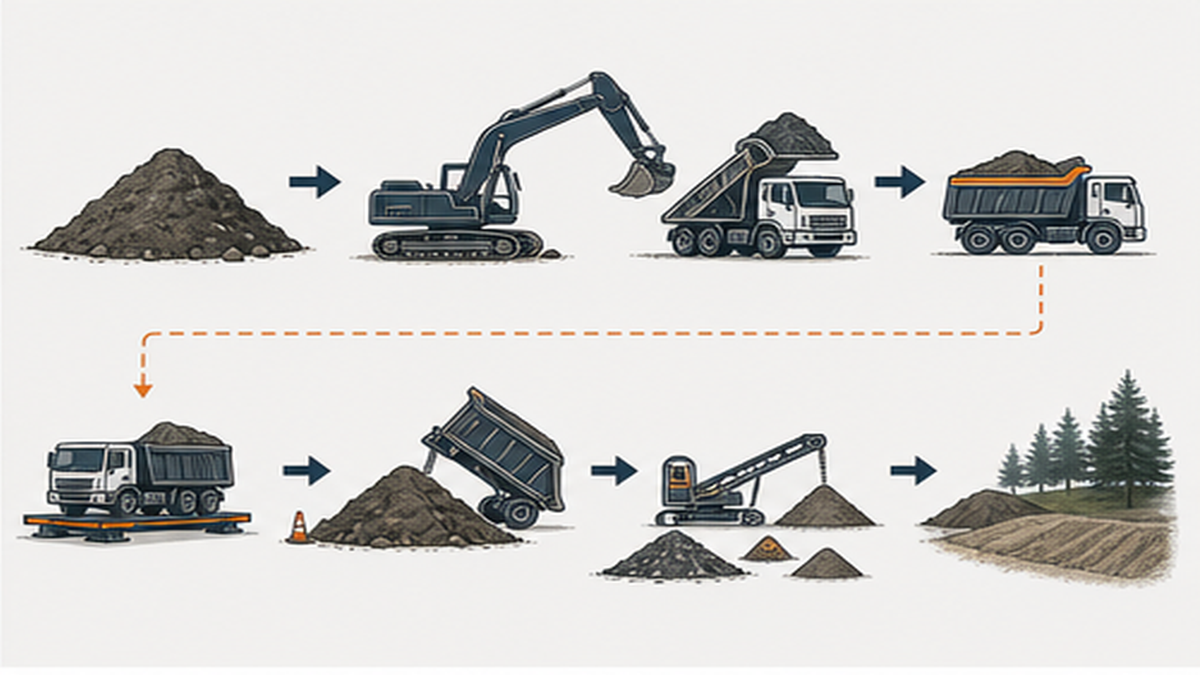
Removing large volumes of dirt from a job site is rarely as simple as loading a dump truck. The process depends heavily on what is mixed into the material and how easily our equipment can reach the pile. Clean soil requires different handling and disposal facilities than mixed demolition debris or concrete rubble. Before we schedule a haul-off, we assess the total volume and weight expected at the disposal facility, which is a major factor in understanding demolition and soil removal costs. Tight lots in cities like Seattle or Bellevue often require double-handling, where smaller machines move dirt to a staging area before it can be loaded into larger transport trucks. If your project involves unstable soils or hazardous materials, we factor those environmental compliance requirements into the site plan. Our crew coordinates the logistics so your excavation phase does not cascade into delays for the next trades. Send us your plan set and any relevant geotech reports by email. We review the scope and schedule a site visit if access or soil unknowns need clarification before we finalize the logistics.
Key Decisions for Developers and GCs
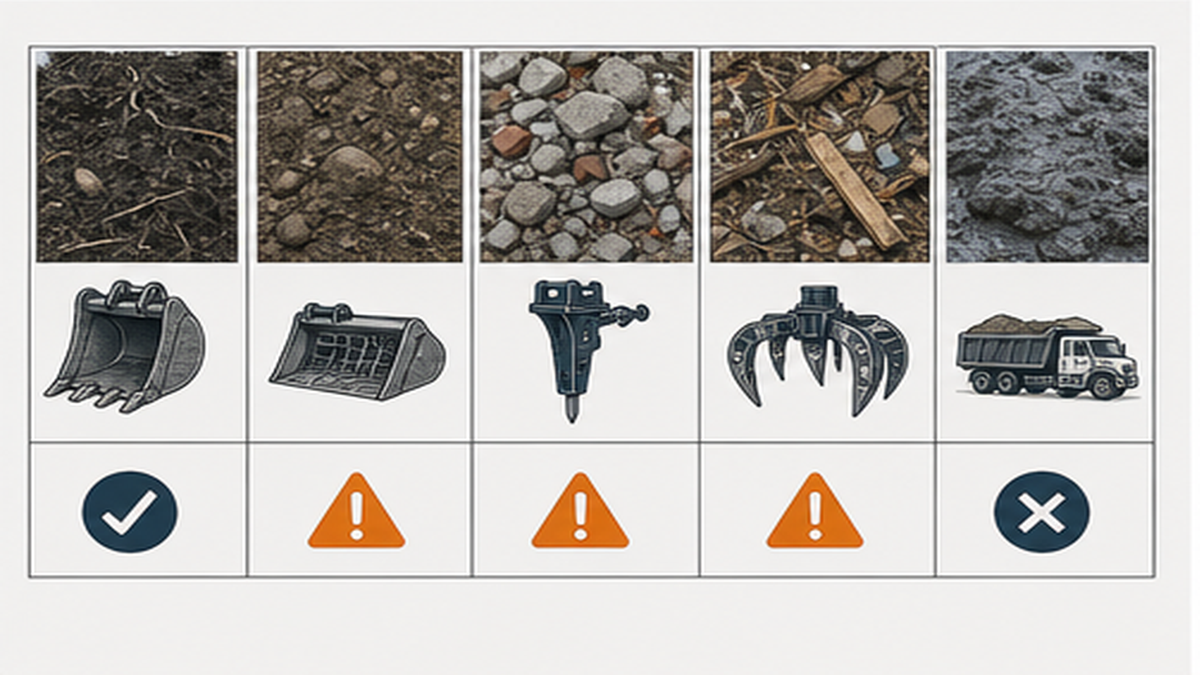
General contractors and developers face several critical decisions when planning site demolition and soil removal. The first factor is material readiness. You must decide whether the dirt is already stockpiled and ready for loading, or if our crew needs to perform active demolition and site services first. Separating clean dirt from concrete rubble or organic land clearing debris directly impacts disposal fees and timeline. Disposal facilities charge different rates based on weight and material purity, so upfront sorting is a valuable investment. The second major decision involves site access and scheduling. If your site has narrow access roads or overhead clearance limits, we must deploy specific truck and machine sizes, which can alter the hauling schedule. You also need to plan around your foundation pour dates. Tight schedules before a pour often require extra crews or machines to clear the site faster. Finally, consider weather and hidden site conditions. Buried foundations or saturated, unstable soils discovered during excavation will change the handling requirements. Providing a comprehensive geotech report upfront allows us to account for these variables and deliver a reliable, fixed cost estimate before work begins.
Common Mistakes in Earthworks Planning
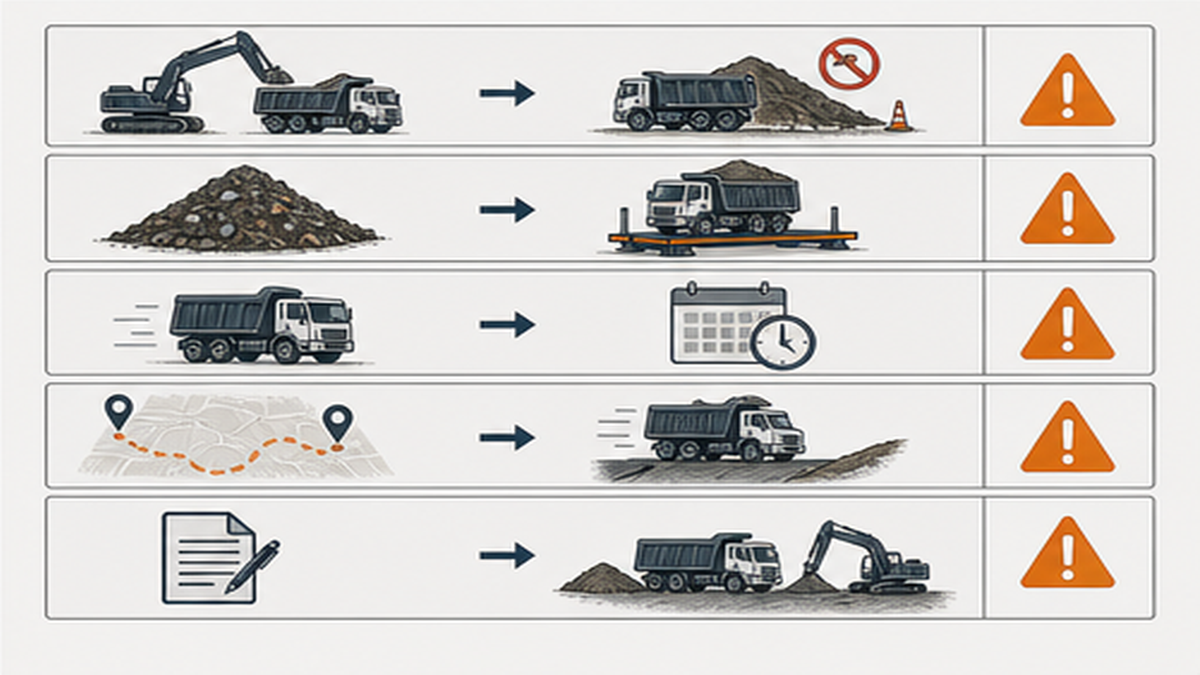
A frequent mistake on commercial and residential builds is assuming all excavated material is treated the same at the disposal site. Mixing clean soil with concrete rubble or tree and land clearing debris significantly increases disposal fees and complicates the haul-off process. Another common error is failing to plan for site access. Developers sometimes schedule large transport trucks for lots that can only accommodate smaller machines, leading to unexpected double-handling and schedule delays. Ignoring weather forecasts is another risk; saturated soil is heavier and more expensive to haul, so timing the removal before major storms is essential. Attempting to lock in a firm price without providing a geotech report or stamped drawings is also a major pitfall. We are the installer, not the design engineer, and we cannot accurately quote heavy civil earthworks without seeing the soil realities and plan set. Waiting until the dirt pile is blocking the foundation crew to coordinate removal is another critical oversight. Excavation delays easily cascade into foundation and framing delays. To avoid these issues, send your project documents early so we can review the scope, verify access, and establish a clear timeline for the soil removal phase.
When to Call a Heavy Civil Contractor
You need a professional earthworks contractor when your project generates more soil than can be managed with standard residential equipment, or when site constraints demand heavy civil expertise. Call us when you are preparing for new soldier pile installation, commercial retaining walls, or large-scale site demolition that requires coordinated soil haul-off. If your site involves unstable soils, steep slopes, or water management challenges, partnering with a construction debris removal company that operates heavy machinery is necessary to maintain safety and compliance. Whether you are deciding between a rockery or a soldier pile wall, having an experienced installer evaluate the site ensures the right machinery is deployed. You should also reach out when you have a complete plan set and geotech report ready for review. We work directly with developers and general contractors who need a turnkey site package, from excavation and grading to utilities and drainage systems. If you do not have stamped drawings yet, start by consulting a structural engineer—we can recommend a Washington firm if needed. Once your documents are ready, we step in to execute the dirt work package, ensuring the site is cleared and prepped for the next phase of construction.
Related Earthworks and Site Services
Ready to Clear Your Site?
Frequently Asked Questions About Soil Haul-Off
How is Demolition & Soil Removal priced in my area?
Pricing for site demolition and soil haul-off depends on material type, total volume, and site access. We review your plan set and assess whether the material is clean soil or mixed debris to determine disposal fees. After a site assessment, we provide a fixed cost estimate before work begins.
how need soil haul off in washington state?
You need soil haul-off in Washington State when your excavation or land clearing project generates excess dirt that blocks subsequent construction phases. We handle the removal of clean soil and mixed demolition debris for developers and general contractors. Send your geotech report so we can review the material scope.
How long does Demolition & Soil Removal take?
The timeline for clearing your site is driven by project size, equipment access, and material readiness. Tight lots requiring double-handling or active site demolition will extend the schedule compared to loading pre-sorted stockpiles. We establish contracted deadlines and coordinate scheduling during the initial scope review to keep your build on track.
How do I get an estimate?
To get an estimate, email your complete plan set and geotech report for our team to review. We evaluate your site assessment needs and determine if a site visit is necessary to check access constraints. Once we understand the exact scope, we deliver a detailed, written estimate before starting work.
Site Management After Soil Removal
After the bulk of the soil is hauled off, maintaining a clean and stable site is critical for the next phases of construction. Ensure that any remaining stockpiles are properly covered to prevent erosion or runoff during heavy Washington rains. Manage your site drainage immediately after excavation to keep water away from newly cut slopes or exposed foundation areas. If your project involves soldier pile walls or shoring, keep heavy equipment away from the immediate edge of the excavation to avoid compromising the ground stabilization. Regularly inspect the site access paths to ensure they remain clear of mud and debris, which helps prevent delays when concrete trucks or framing materials arrive. By keeping the earthworks area organized and managing surface water, you protect the integrity of the site preparation and allow the subsequent trades to work safely and efficiently.