
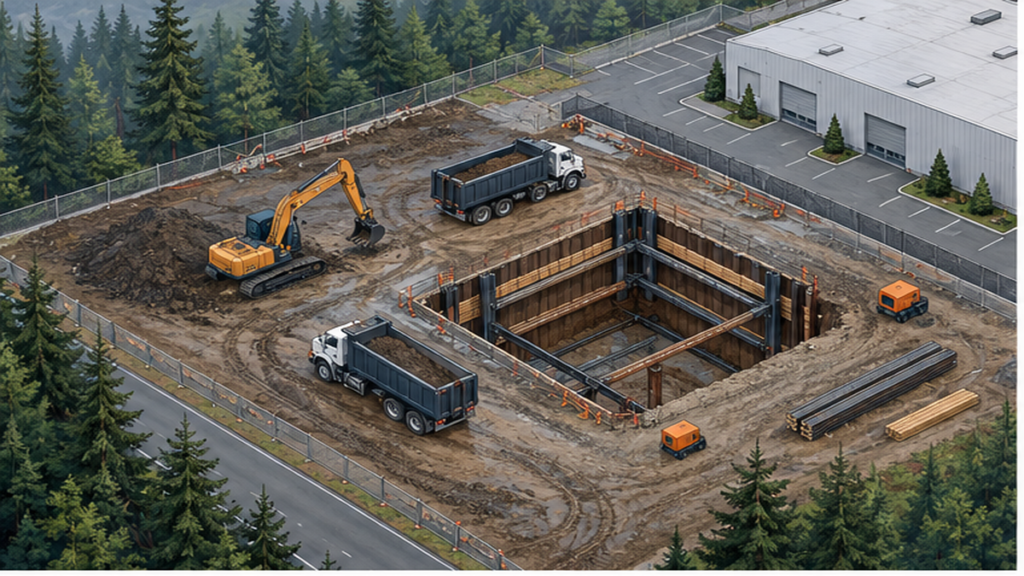
Contractor Solutions Trench Shoring
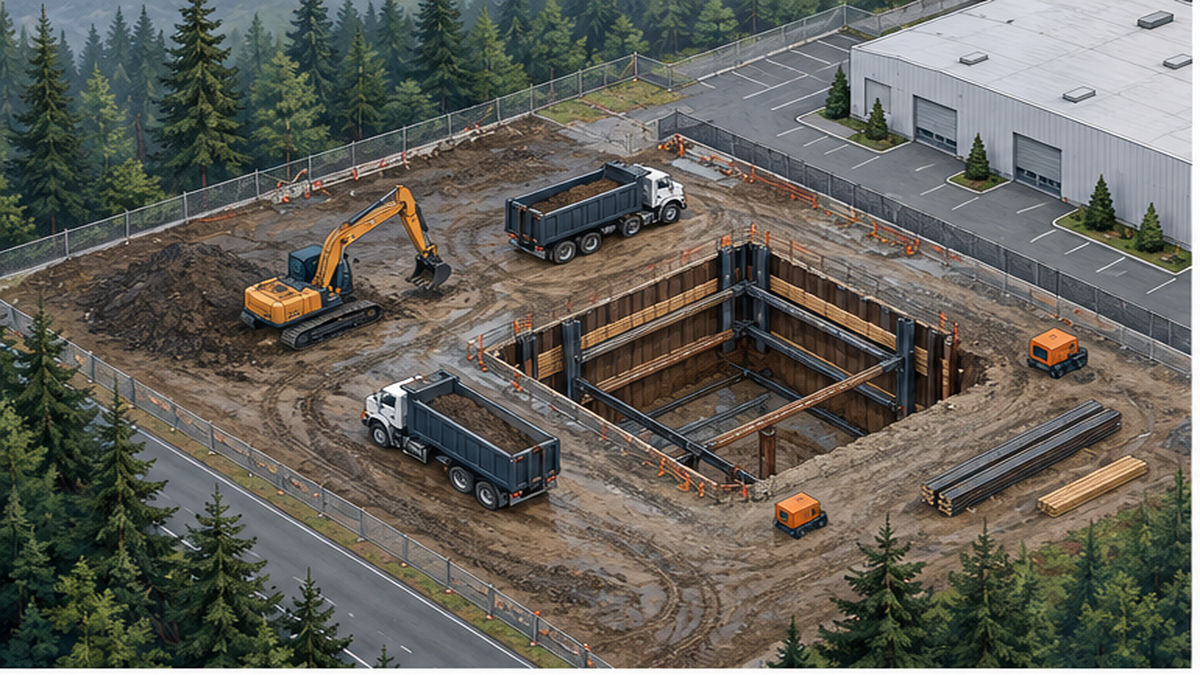
Developers and general contractors facing unstable soils and tight schedules before a foundation pour need contractor solutions for trench shoring that keep the site safe and compliant. Ruffhouse Construction LLC, based in Federal Way, WA, installs shoring and ground stabilization systems for commercial and residential sites across Washington and Oregon. We handle the heavy civil dirt work, excavation, and soldier pile installations required to secure deep trenches. We are the installer, not the design engineer, so a typical project starts with you sending us your stamped plan set and geotechnical report. Once we review the site access and soil realities, we provide a fixed written estimate before any work begins.
Understanding the Installation Scope
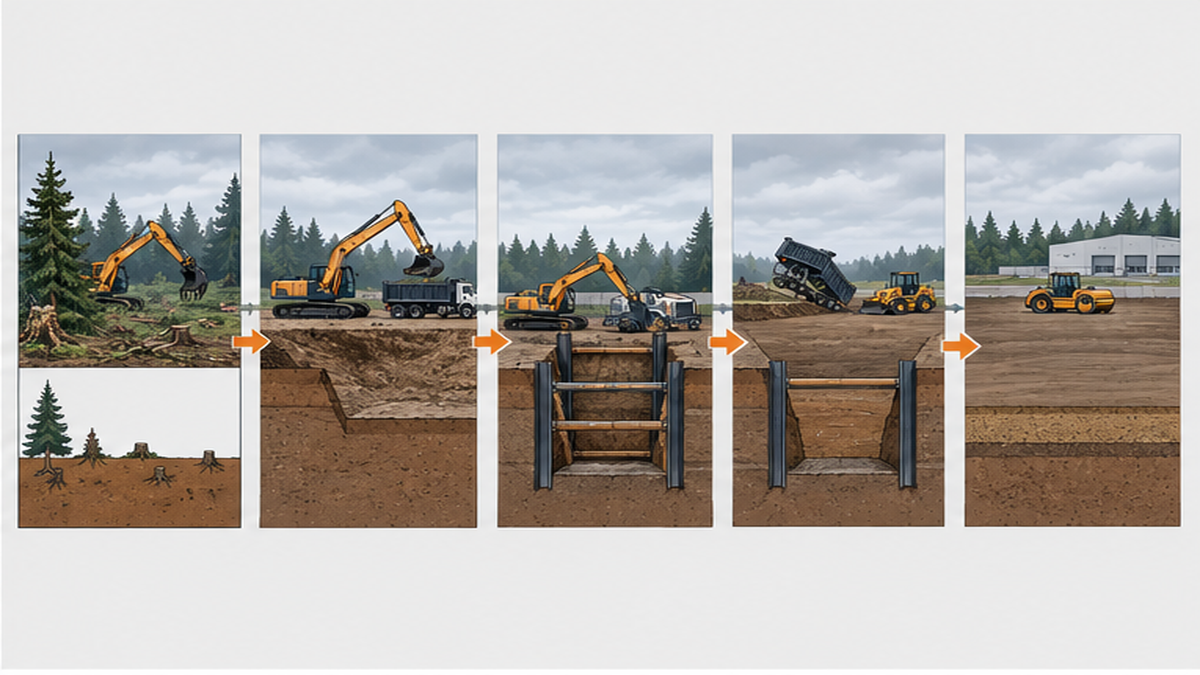
Securing a deep excavation requires specific earthworks and site preparation methods to prevent soil collapse. When a trench reaches a depth that requires structural support, standard benching is not always an option on tight urban lots. In these cases, active shoring systems like soldier pile walls or sheet pile walls are necessary to hold back the earth.
Here is what our installation scope typically covers:
- Excavation and site preparation: Clearing the footprint and managing the initial dirt work.
- Drilling and caging: Preparing the shafts for soldier piles based on your engineer's specifications.
- Shoring installation: Placing the steel piles, lagging, or sheet piles to stabilize the trench walls.
- Demolition and soil removal: Hauling off the excavated dirt to permitted disposal facilities.
Our crews also manage the necessary utilities and drainage systems to ensure water is routed away from the deep cuts. We work directly from your approved drawings. If you do not have a structural engineer yet, we can recommend a licensed Washington firm to design the wall. Once the design is stamped, we step in to execute the physical installation.
Cost Factors and Site Variables
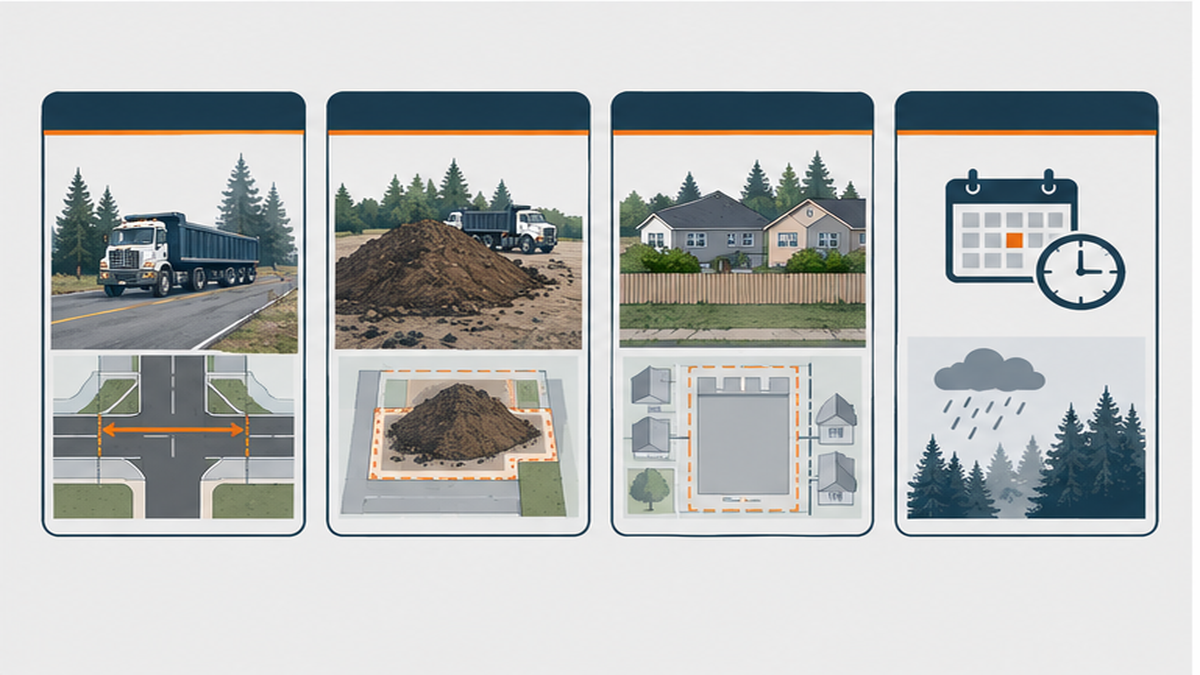
Choosing the right trench shoring method depends heavily on your site constraints and budget. Because we do not publish blind online prices, we rely on specific project variables to build your estimate.
| Decision Factor | Impact on Project Scope |
|---|---|
| Material Type | Clean soil is easier to haul off than mixed demolition debris or concrete rubble, affecting disposal fees. |
| Site Access | Tight lots require smaller machines and double-handling of materials, which extends the timeline. |
| Soil Conditions | Discovering buried foundations, high water tables, or unstable soils requires heavier stabilization methods. |
| Schedule Pressure | Accelerated timelines before a foundation pour may require extra crews and equipment. |
If you are comparing options for a backyard retaining wall versus a deep commercial trench, the structural requirements will dictate the approach. We review your geotechnical report to confirm whether a rockery wall or a deep soldier pile system is the appropriate path forward.
Avoiding Delays and Liability
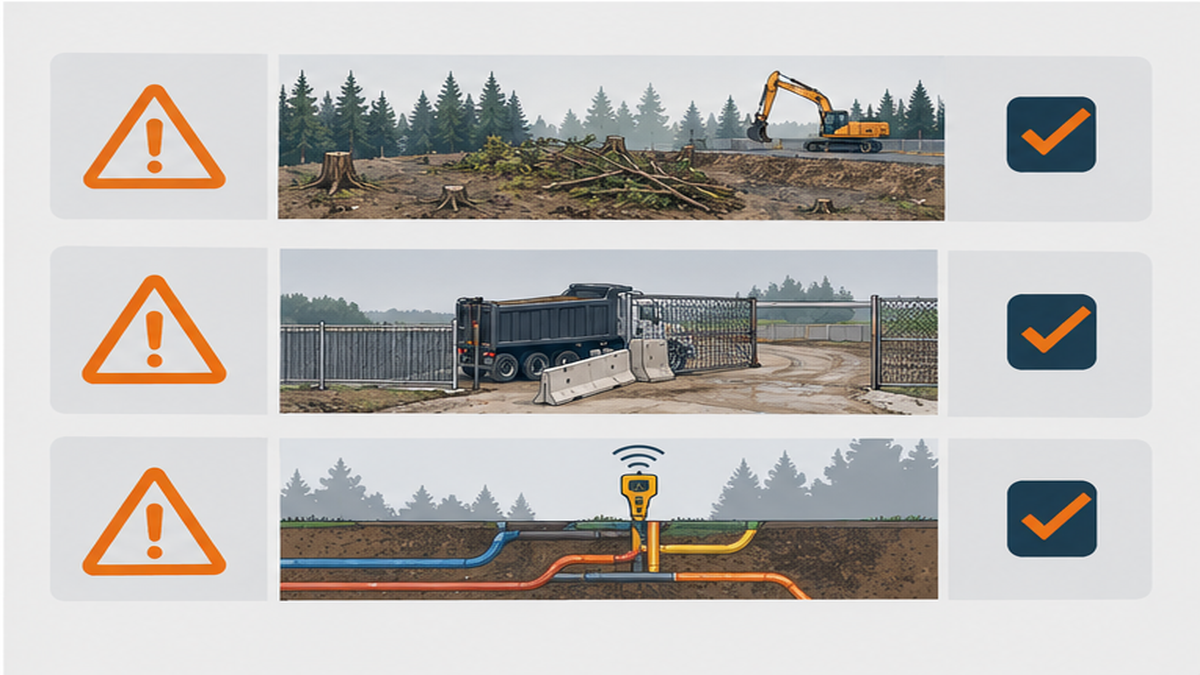
A frequent error on earthworks projects is attempting to secure a firm quote without a geotechnical report or stamped plans. Without knowing the soil composition or the structural load requirements, any initial number is just a guess. We require these documents before providing a fixed estimate to ensure there are no surprises once excavation begins. Weather also plays a massive role; attempting to excavate saturated, unstable soils without proper planning leads to collapsed trenches and severe safety hazards.
Another mistake is failing to account for the logistics of soil removal. Excavating a deep trench generates a massive volume of dirt that must be loaded and hauled away. If the site has poor access, trucks cannot stage efficiently, causing delays that cascade into the foundation and framing schedules.
Finally, project managers sometimes confuse the roles of the design team and the installation contractor. We handle the physical drilling, caging, and pile placement. Relying on an installer to dictate load ratings or stamp a design violates building codes and creates liability. Always secure your engineering first, then bring us in to build it.
When to Schedule a Site Assessment
Trenching and deep excavation are inherently dangerous and heavily regulated. You need a professional heavy civil contractor when your project involves deep cuts, unstable soils, or adjacent structures that require protection. If your site plan calls for a sheet pile wall or soldier piles to hold back a slope, it is time to bring in an experienced installation crew.
We step in when developers, municipalities, or private landowners have their plan set ready and need a reliable crew to execute the dirt work and shoring. We handle the full earthworks scope, from the initial demolition and soil haul-off to the final road restore. If you are dealing with a failing slope, active landslide, or need temporary indoor shoring for a commercial building modification, a site assessment is the first step. Send us your drawings and geotechnical data by email. We will review the access constraints and soil realities, conduct a site walk if necessary, and provide a detailed scope of work.
Related Services
Ready to Discuss Your Project?
Common Questions About Trench Shoring
How is Shoring & Stabilization priced in my area?
What is the difference between shoring and bracing?
How long does Shoring & Stabilization take?
How do I get an estimate?
Long-Term Considerations for Stabilization
While temporary trench shoring is removed once the foundation or utility work is complete, permanent ground stabilization systems require basic monitoring. For permanent soldier pile or commercial retaining walls, the most critical maintenance factor is ensuring that utilities and drainage systems function correctly. Water buildup behind a wall drastically increases the load and can compromise the structure over time. Stormwater management is a continuous requirement for any property with significant grade changes.
Keep weep holes and drainage pipes clear of debris and vegetation. Periodically inspect the facing material and lagging for signs of excessive deflection or soil loss. If you notice significant ground settling behind the wall or changes in the slope, consult a structural engineer to assess the site. Proper surface water management is the best way to protect your heavy civil investment. If you are looking for backyard retaining wall ideas or need to understand the long-term costs of different materials, reviewing the shoring and stabilization requirements for your specific soil type is a practical starting point.