
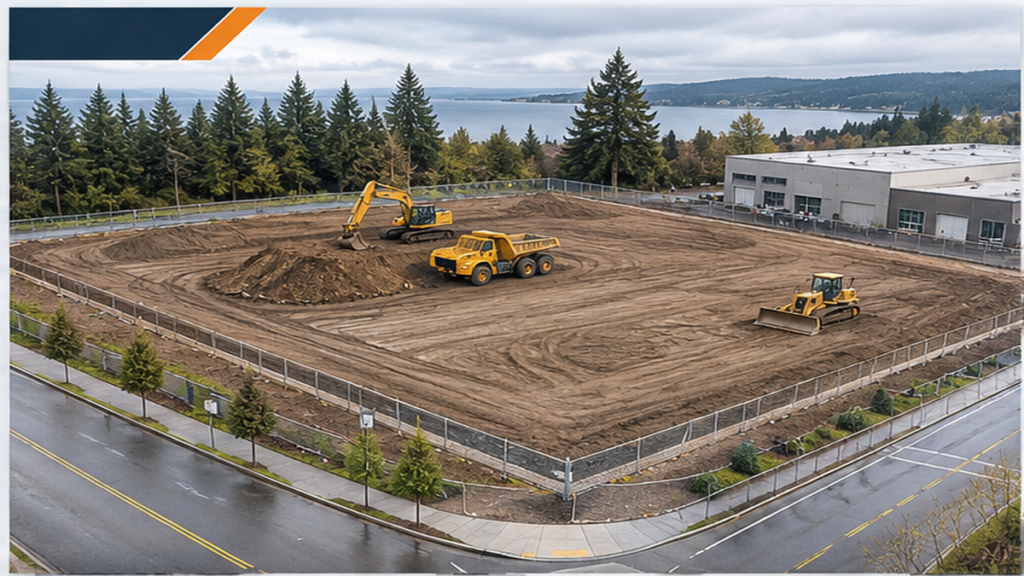
How Soil Preparation Keeps Your Commercial Project on Schedule
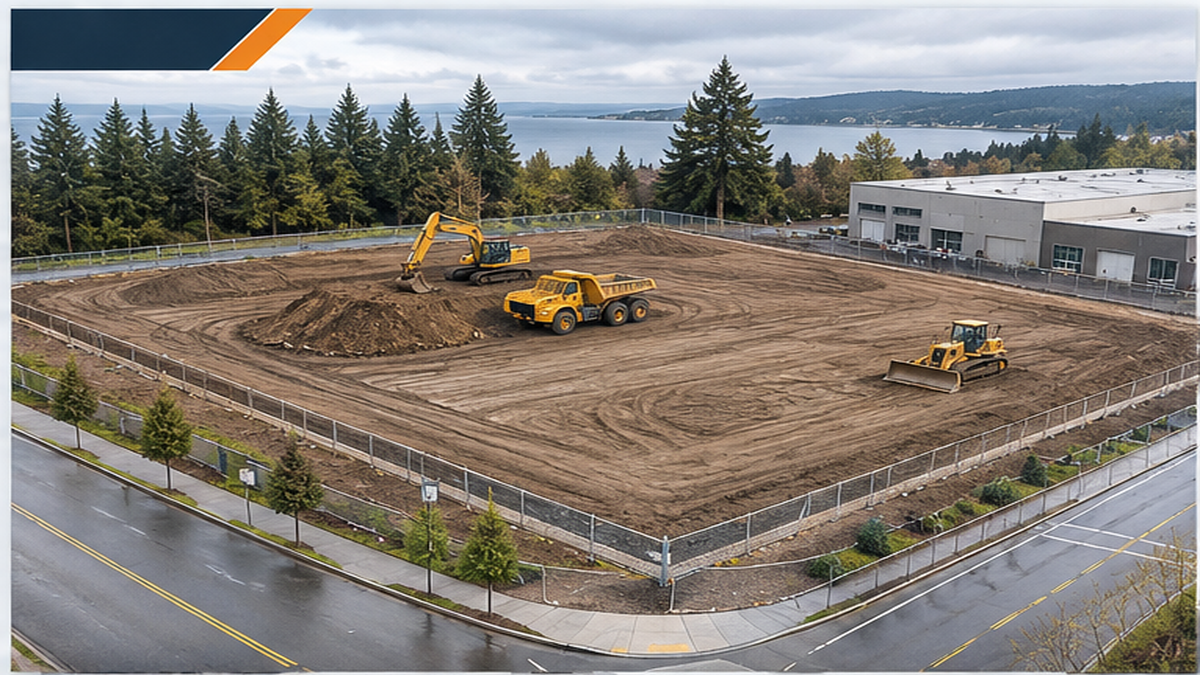
If you are facing tight schedules before a foundation pour in Washington or Oregon, proper soil preparation is the first hurdle your project must clear. Developers and general contractors in Federal Way and the greater Puget Sound region often struggle with unstable soils, buried debris, and strict municipal codes. Ruffhouse Construction LLC handles the full earthworks scope, from heavy excavation to utility trenching, to keep your site on track. We rely on your stamped plan set and geotech report to assess access and soil realities. By reviewing these documents upfront, we provide a fixed estimate before work begins, ensuring your site is fully prepared for the next phase of construction.
The Reality of Heavy Civil Site Preparation
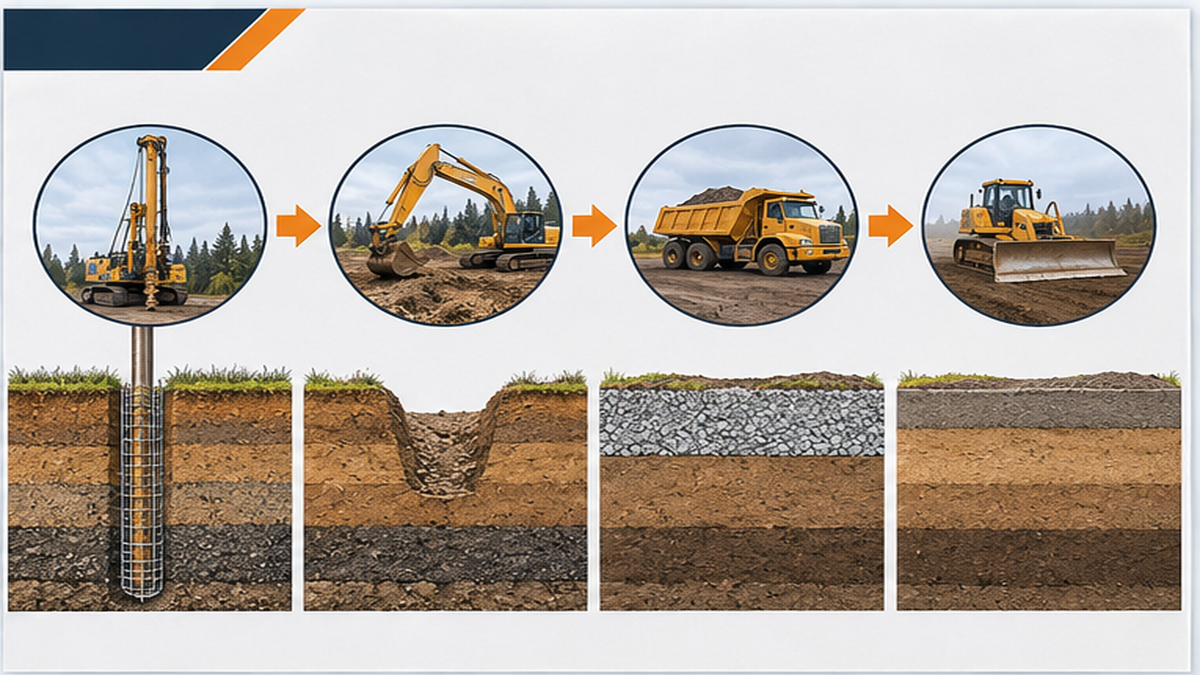
Proper soil preparation requires more than just moving dirt; it demands a structured approach to managing site conditions. Once demolition clears existing structures, the focus shifts to soil haul-off and land clearing. Heavy civil projects often uncover hidden soil conditions, such as buried debris or unstable ground, which must be excavated and replaced with structural fill. We rely on your geotech report to understand these subsurface realities before our machines arrive on site.
Our crews manage the heavy lifting for developers and general contractors, coordinating the earthworks phase so it does not delay subsequent trades. This process includes cutting to the required subgrade, managing slope and water drainage, and preparing the ground for utilities or retaining walls. If the excavation requires cutting into steep slopes, we also install soldier pile walls and shoring systems to stabilize the earth. Access constraints, such as tight lots in Seattle or Bellevue, dictate the size of the equipment we deploy and how we handle material staging. By reviewing your stamped drawings early, we identify these logistical challenges and build a clear plan for excavation and soil removal.
Critical Decisions for Developers and General Contractors

[Grading And Site Preparation](/grading-and-site-preparation/) dictates the success of your foundation, requiring careful sequencing of demolition, excavation, and utility installation. Contractors must decide how to sequence soil haul-off to avoid double-handling material on tight lots. You also need to evaluate the material type being removed—clean soil requires different disposal facilities and fees compared to mixed demolition debris or concrete rubble.
Another major decision point is managing unstable soils. If your geotech report indicates poor bearing capacity, you must decide whether to over-excavate and import structural fill or pursue deep foundation options. If you are building on a slope, you must decide between a standard rockery or a structural soldier pile wall. We help evaluate these options during our site visit, comparing the geotech requirements against your budget. Schedule pressure before a foundation pour often forces decisions on crew size and equipment. Providing your plan set early allows us to determine if extra machines are necessary to meet your contracted deadlines. Finally, clarify who is responsible for securing the necessary permits and coordinating with local municipalities, as this directly impacts the project timeline.
Mistakes That Derail Earthworks Schedules
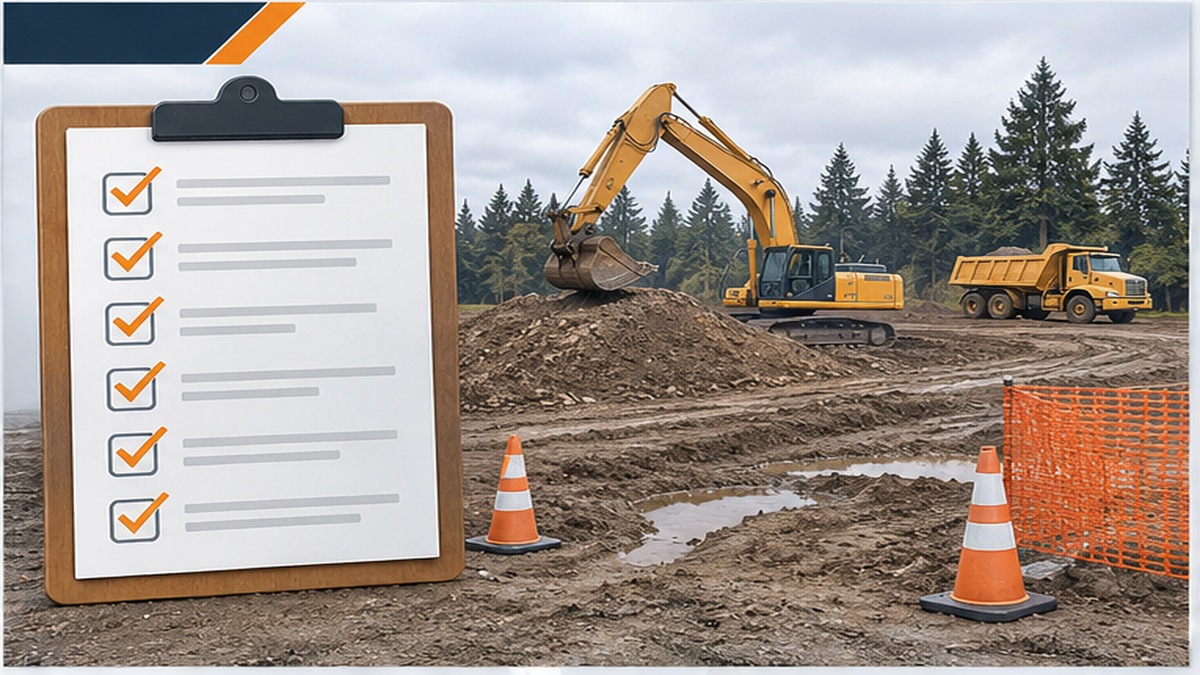
A frequent mistake on commercial and heavy residential projects is requesting a firm quote without providing a geotech report or stamped drawings. Without understanding the subsurface conditions, any initial price is just a guess. Unstable soils, buried foundations, and high water tables can drastically change the scope of excavation and soil removal. Always secure your engineering documents before asking for a fixed estimate.
Managing [Construction Debris](/construction-debris/) effectively prevents delays, yet many underestimate the logistics involved. Failing to separate clean dirt from mixed concrete rubble increases disposal fees and slows down the haul-off process. Developers also run into trouble when they do not account for tight site access, which forces crews to double-handle material and extends the timeline. To avoid these delays, share photos and site dimensions during the initial scope review. Finally, assuming the installer is also the structural engineer leads to compliance issues. We are the heavy civil installer; you must have a licensed engineer design and stamp the plans for retaining walls and shoring systems before we begin work.
When to Bring in a Heavy Civil Contractor
You need a heavy civil contractor when your project involves deep excavation, large-scale soil haul-off, or complex ground stabilization. If your site requires managing steep slopes, installing soldier pile walls, or coordinating major utility trenches, it is time to bring in a professional earthworks team. General contractors should reach out when they have a stamped plan set and a geotech report ready for review.
Call a professional if you discover buried foundations, contaminated soil, or unexpected water issues during initial land clearing. These conditions require specialized equipment and permitted disposal sites. Additionally, if your project is on a tight schedule before a foundation pour, hiring a dedicated [Construction Debris Removal Company](/construction-debris-removal-company/) ensures the job stays on track. We handle the heavy lifting for developers and municipalities across Washington and Oregon. Send us your drawings by email, and we will conduct a site visit to assess access and soil realities before providing a detailed, fixed estimate.
Related Earthworks and Site Preparation Services
Ready to Prepare Your Site?
Common Questions About Soil Preparation and Removal
How is Demolition & Soil Removal priced in my area?
What do coffee grounds do for soil?
How long does Demolition & Soil Removal take?
How do I get an estimate?
Protecting Your Site After Soil Preparation
Once the heavy excavation and soil preparation are complete, maintaining the site before the foundation pour is critical. First, protect the exposed subgrade from excessive moisture. Heavy rain can turn a properly graded site into mud, compromising the soil's bearing capacity and requiring costly rework. Use tarps or temporary drainage trenches to direct surface water away from the excavated areas.
Second, limit heavy equipment traffic on the prepared ground. Driving over the final grade can cause unwanted compaction or rutting, which disrupts the precise elevations established during the dirt work phase. If you are waiting on subsequent trades, ensure the site remains secure and that erosion control measures, such as silt fences, remain intact and compliant with local regulations. Finally, keep communication open with your earthworks contractor. If weather events alter the site conditions, a quick reassessment can prevent delays when it is time to pour concrete or install utilities.