
Landscaping Debris Removal: What You Need to Know
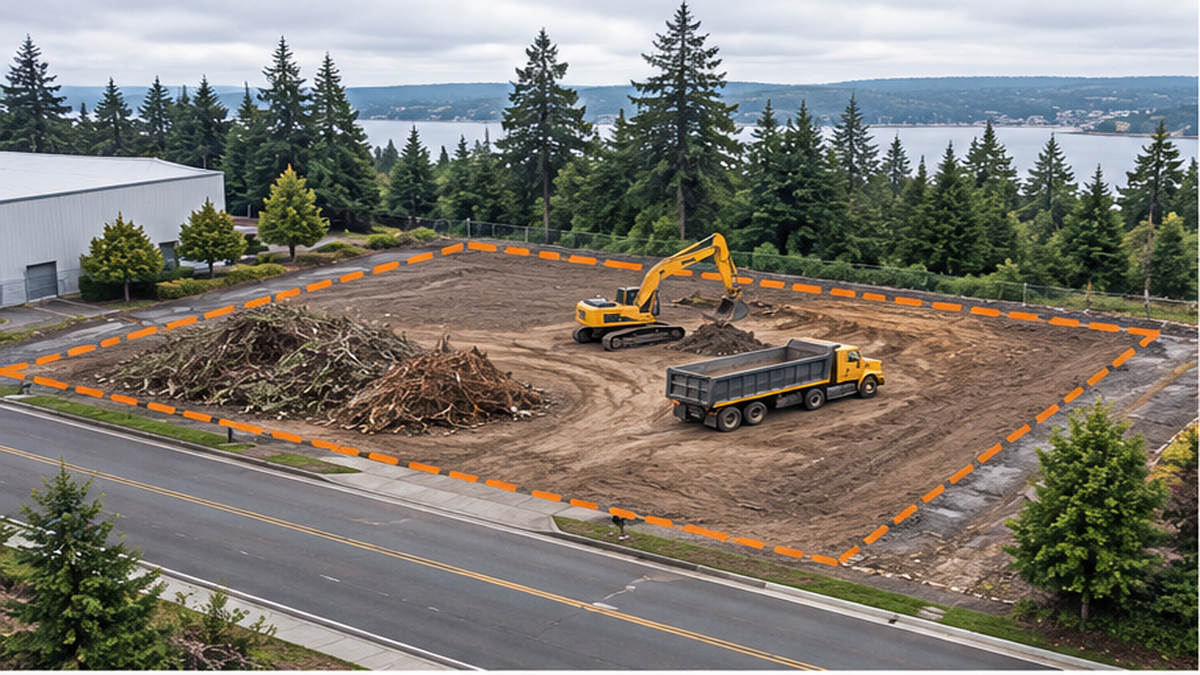
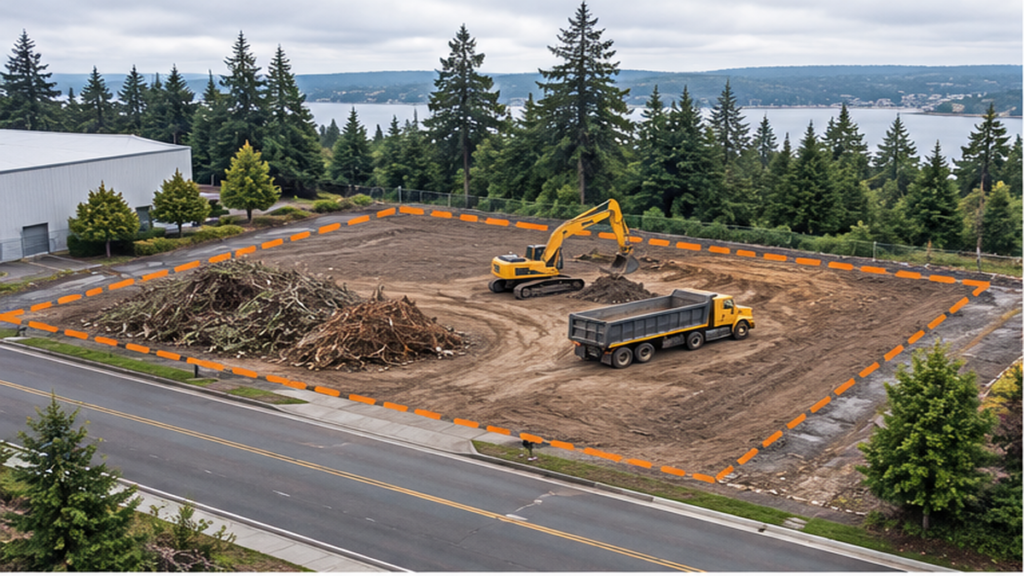
Landscaping debris removal involves clearing, loading, and hauling away organic matter, soil, and site demolition waste to prepare a property for the next phase of construction. Ruffhouse Construction LLC is a heavy civil installer based in Federal Way, WA, providing complete earthworks and soil haul-off services for developers and general contractors across Washington and Oregon. Because project costs depend heavily on material volume, site access, and disposal fees, we do not post flat online rates. Instead, we conduct a site assessment and provide a fixed estimate before work begins. Whether you are clearing a lot or prepping for soldier piles, our team handles the heavy lifting so your schedule stays on track.
How Professional Site Clearing Works
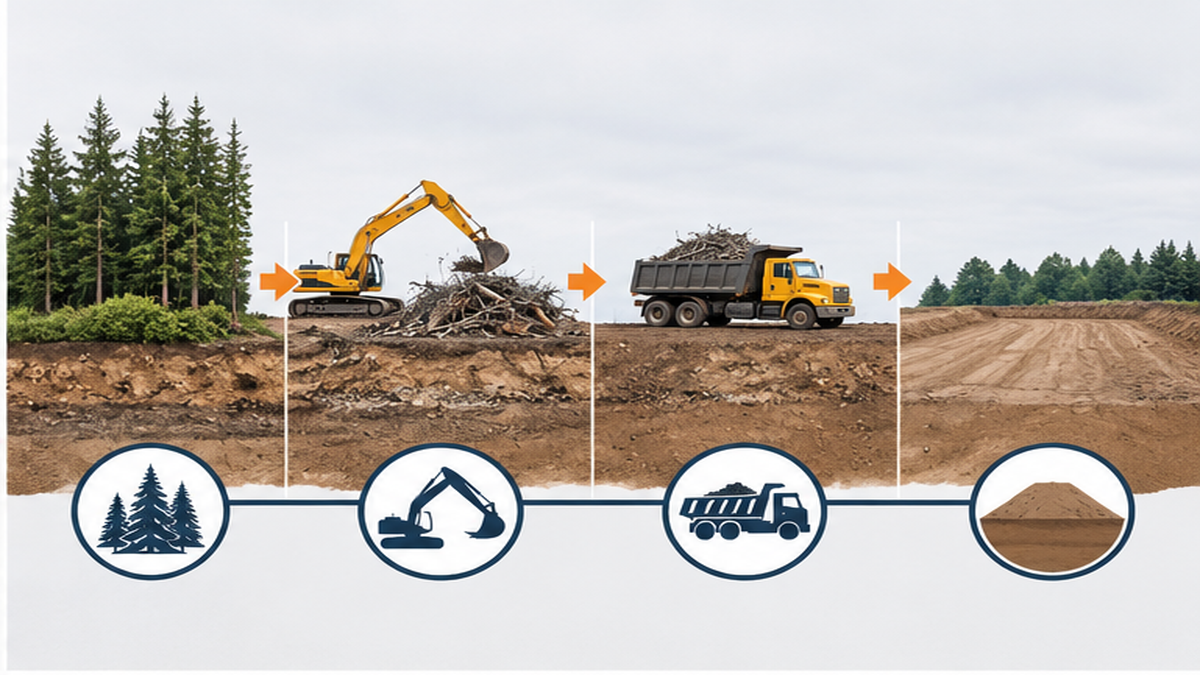
Effective site demolition and land clearing require more than just a dump truck. When you hire a professional earthworks contractor, the process includes a thorough scope review and site assessment to determine the right equipment for the job. We handle the extraction and soil haul-off of stumps, heavy brush, concrete rubble, and excess dirt.
- Site assessment: We evaluate access points to see if large machinery can enter or if tight lot constraints require double-handling of materials.
- Material sorting: Clean soil is separated from mixed demolition debris to manage disposal fees efficiently.
- Haul-off and disposal: We transport the waste to permitted disposal facilities, keeping your site compliant with local regulations.
We are the installer, not the design engineer. If your clearing project ties into retaining walls or shoring, we will need to see your plan set and geotech report to plan the excavation accurately.
Key Factors That Impact Your Estimate
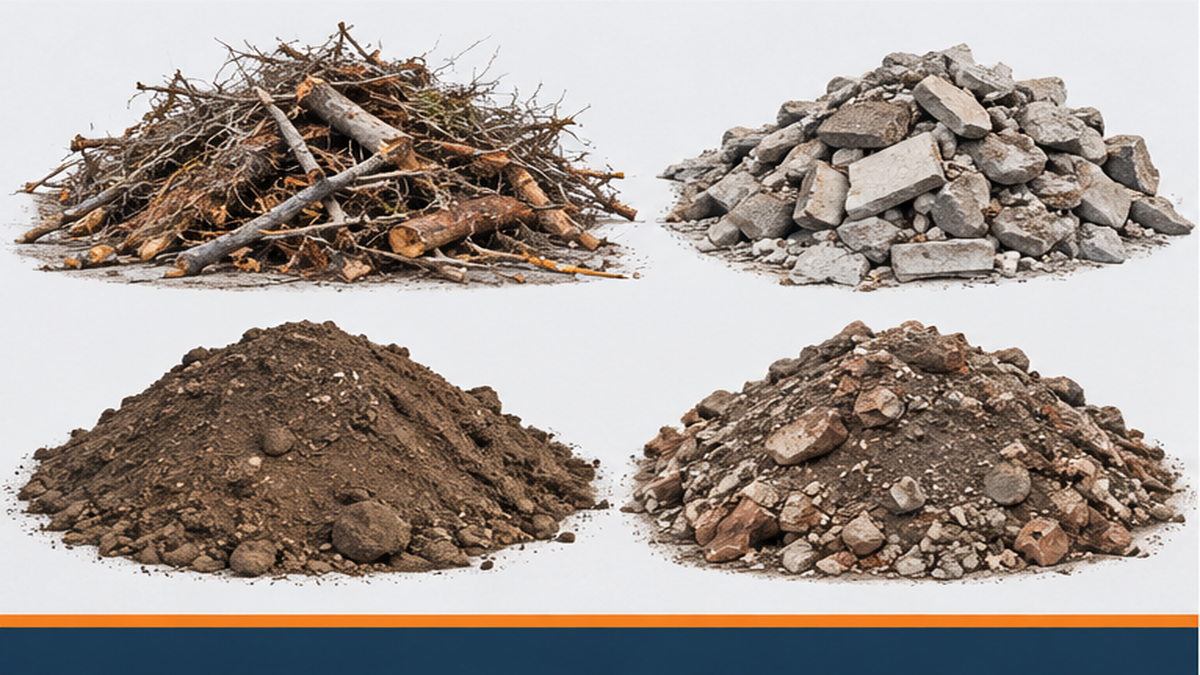
Before scheduling a soil haul-off or debris removal, developers and property owners must evaluate several site factors that impact the final estimate. If you are also looking for a construction debris removal company to handle building waste, separating organic matter from construction materials is a critical first step.
| Decision Factor | Impact on Project |
|---|---|
| Material Type | Clean soil costs less to dispose of than mixed demolition debris or concrete rubble. |
| Site Access | Narrow driveways or steep slopes may require smaller machines, increasing load times. |
| Volume and Weight | Disposal facilities charge by weight or volume. Accurate estimates require a clear scope review. |
| Schedule Pressure | Tight deadlines before a foundation pour may require extra crews and machines. |
Understanding these variables helps us provide a transparent, fixed estimate. If you are unsure about the soil conditions or need extensive land clearing, a site visit allows us to assess the realities of the terrain.
Common Mistakes in Earthworks and Clearing
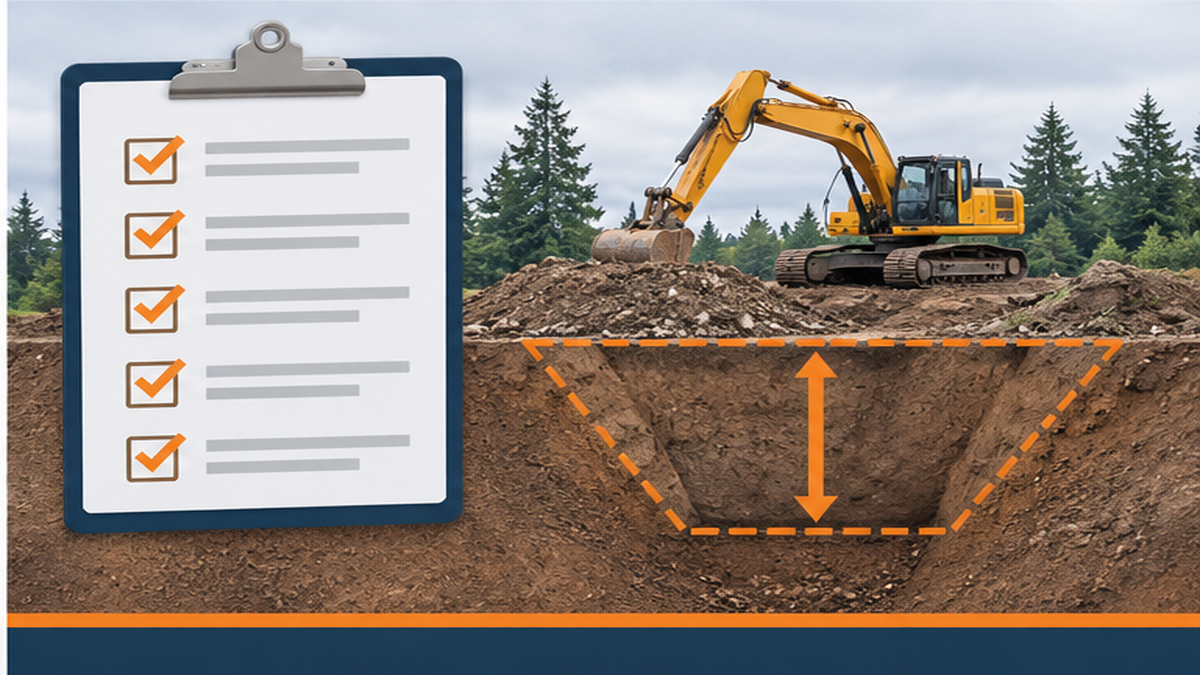
A frequent mistake in site preparation is underestimating the volume of material that needs to be removed. Dirt expands when excavated, meaning the soil haul-off volume will be larger than the hole in the ground. Another common error is mixing hazardous or contaminated materials with standard landscaping debris, which can lead to rejected loads or steep fines at the disposal facility. You can review our demolition and soil removal cost guide for more context on how materials affect pricing.
Additionally, many property owners assume their earthworks contractor will also handle structural design. We are strictly the installer. If your land clearing involves cutting into a hillside that requires a retaining wall, you must have a stamped plan set. We do not provide structural engineering or load ratings. If you do not have an engineer yet, we can recommend a licensed Washington firm to complete your geotech report before we conduct our site assessment. For broader site clearing needs, you might also consult a tree removal and land clearing specialist for heavy timber before we tackle the dirt work.
When to Hire a Heavy Civil Contractor
You should call a professional earthworks contractor when the volume of debris exceeds what can be safely handled with a standard pickup truck, or when the clearing involves heavy site demolition. Large-scale land clearing, removing buried foundations, and managing unstable soils require heavy machinery and experienced operators.
If your excavation delay threatens to cascade into foundation and framing delays, it is time to bring in a dedicated crew. We work with developers, municipalities, and general contractors who need a turnkey site package. If you are dealing with complex site conditions, such as steep slopes or water management issues, professional intervention ensures the site is prepped safely and legally. For projects requiring extensive teardowns before the soil is moved, partnering with a demolition and site services provider can streamline the initial phase. Once the heavy demolition is complete, we step in to handle the excavation, grading, and final soil haul-off.
Related Earthworks and Site Prep Services
Ready to Clear Your Site?
Frequently Asked Questions
How is Demolition & Soil Removal priced in my area?
What should I know about Demolition & Soil Removal?
How long does Demolition & Soil Removal take?
How do I get an estimate?
Site Management After Debris Removal
After the landscaping debris removal and soil haul-off are complete, maintaining the cleared site is essential to prevent erosion and water runoff issues. Exposed soil is highly susceptible to weather changes. Installing temporary erosion control measures, such as silt fences or straw wattles, helps keep the soil in place during heavy rain.
If the site will sit idle before the next phase of construction begins, consider applying a temporary ground cover or hydroseed to stabilize the dirt. Proper grading during the initial site demolition ensures that water drains away from future foundation footprints. Regularly inspect the site after storms to ensure that your drainage systems and erosion controls are functioning correctly, preventing costly rework before your building team arrives.