
Soil Removal Price Guide
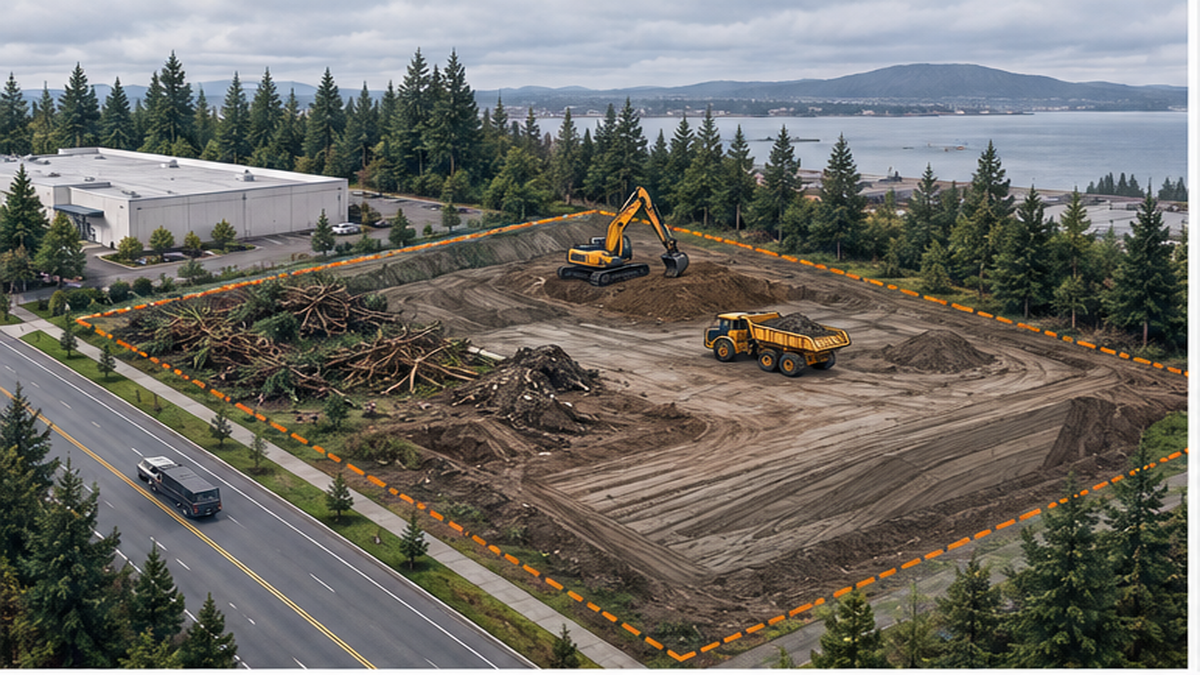
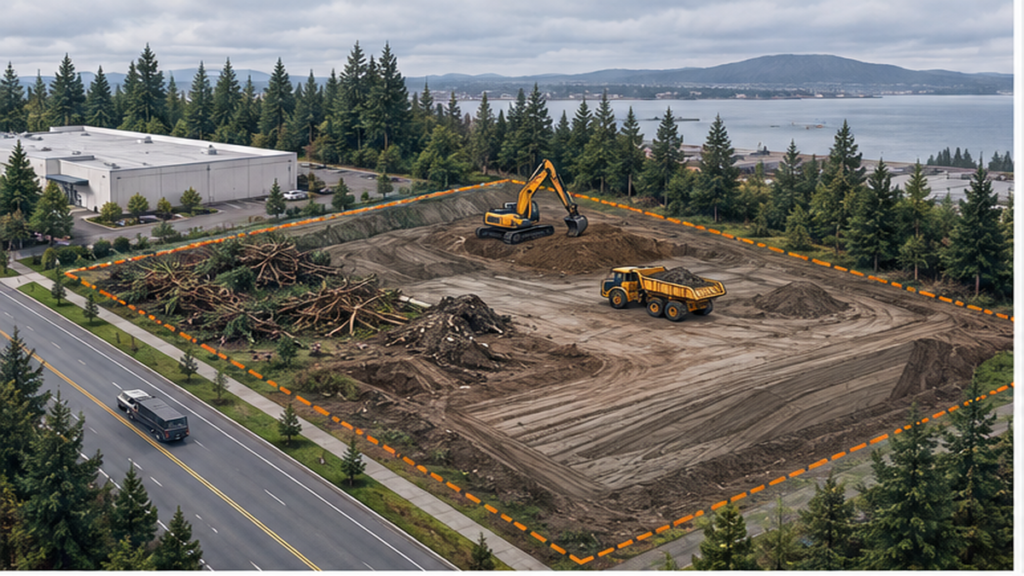
Soil removal price depends on the material type, total volume, and site access constraints, rather than a flat online rate. Because heavy civil and demolition quotes rely on disposal fees and geotech realities, a blind online number will mislead you. We review your plan set and site conditions to determine how much dirt needs to be hauled off and what equipment fits on your lot. Whether you are clearing a site in Federal Way or prepping a commercial lot in King County, we provide a fixed written estimate after a site assessment. This guide explains the variables that change your quote and how to prepare your project details for an accurate number.
Why Two Soil Removal Projects Quote Differently
Two excavation projects with the exact same square footage often result in different quotes. The primary reason is what lies beneath the surface. Clean soil is straightforward to load. However, if our crews uncover mixed demolition debris or unstable soils, disposal fees and labor hours increase. Site access also dictates the equipment we can use. A wide-open commercial lot allows for large excavators, moving volume quickly. A tight residential driveway might require smaller machines and double-handling the dirt, adding time. Schedule pressure before a foundation pour can also require extra crews. We base our numbers on the actual site conditions and your geotech report, ensuring the quote matches the reality of the ground.
Main Cost Factors for Dirt Haul-Off
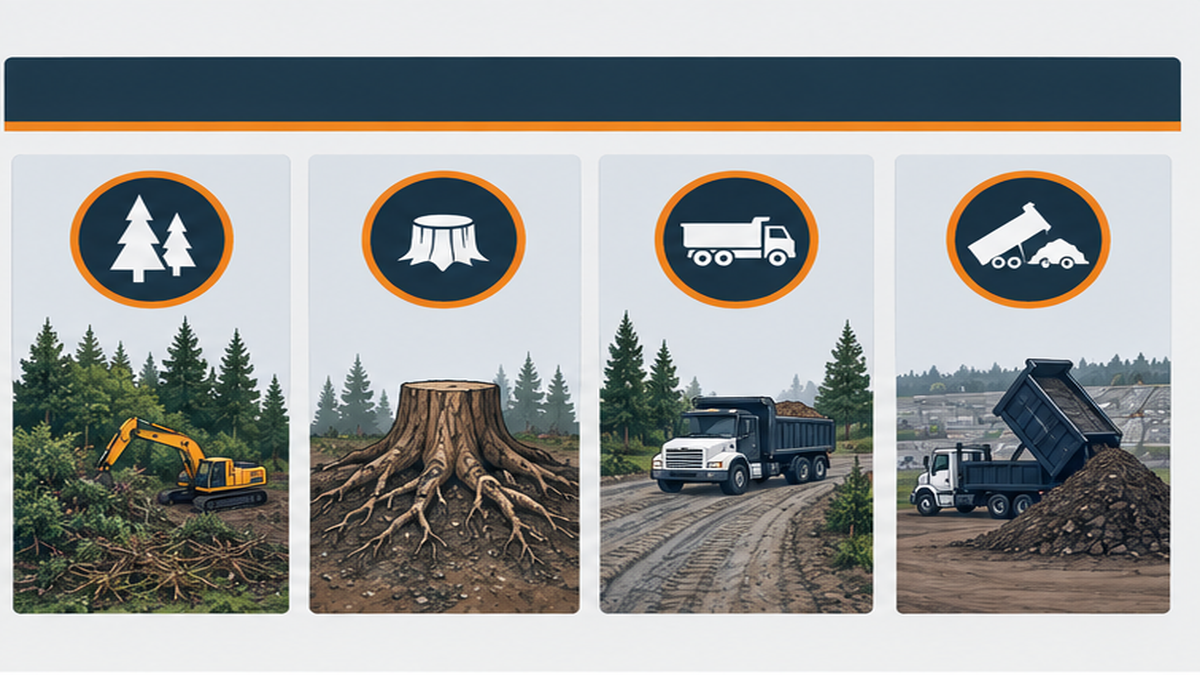
| Cost Factor | How It Affects Your Quote |
|---|---|
| Material Type | Clean soil costs less to dispose of than mixed demolition debris or concrete rubble. |
| Volume and Weight | Disposal facilities charge by weight and volume. More dirt means more truck trips and higher facility fees. |
| Site Access | Tight lots require smaller machines and double-handling, increasing labor hours compared to sites where large trucks can pull right up. |
| Material Readiness | Dirt that is already piled and ready to load takes less time than soil that requires active demolition and sorting first. |
| Hazardous Materials | Contaminated soil requires special handling and permitted disposal sites, which carry higher fees. |
| Weather and Soil Stability | Heavy rain or unstable soils discovered on site can slow down machinery and require additional ground stabilization before hauling. |
What a Professional Earthworks Quote Includes
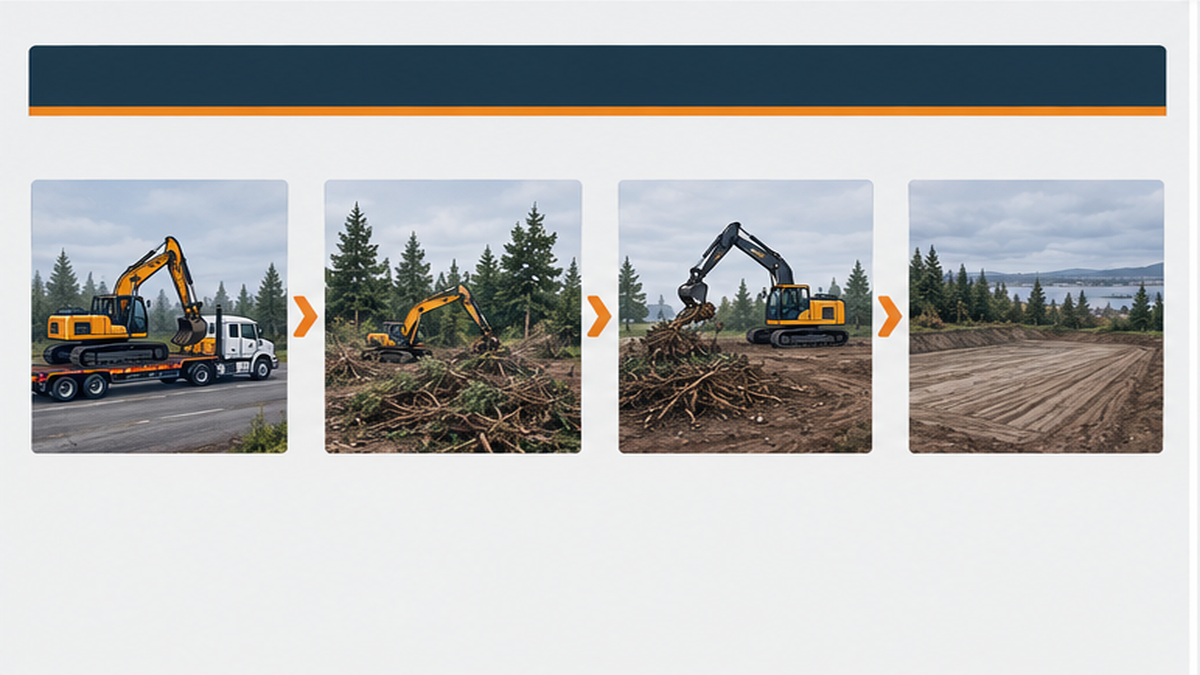
A complete earthworks quote should outline every step of the dirt work package so you know exactly what is happening on your site. When we bid a project, the estimate includes the machinery and operators needed to excavate the material safely. It covers the labor for active demolition if we are breaking up old foundations or clearing existing structures. The quote also accounts for the logistics of loading the trucks and the actual soil haul-off to a permitted facility. We include the specific disposal fees based on the material type, whether it is clean fill or mixed rubble. Finally, the estimate covers basic site cleanup and road restoration where our equipment entered and exited. We spell out these line items clearly after reviewing your plan set, so you are not hit with surprise trucking fees mid-project. If you want to learn more about this service, we walk through the exact equipment and timelines during our site review.
Hidden Conditions That Increase Soil Removal Costs
Hidden site conditions can push your final number higher if not identified early. Discovering hazardous materials is a major factor, requiring specialized handling and permitted disposal sites. Buried concrete or massive root systems mean we must switch from simple digging to active demolition before loading the trucks. Weather also plays a role; heavy rain turns standard dirt into heavy mud, increasing the weight at the disposal facility and slowing down machines. If your project has a tight schedule before a foundation pour, we may need extra crews. Finally, if trucks cannot stage close to the excavation area, we have to move the dirt multiple times, adding labor hours.
How to Keep Your Earthworks Budget on Track
You can control several logistics to keep your earthworks budget on track. The most effective step is providing a complete plan set and geotech report upfront. When we know the soil types, we can route trucks to the most efficient disposal facilities. If you have the space, staging the dirt in an accessible area allows our trucks to load quickly without waiting on smaller machines. Separating clean soil from mixed construction debris before we arrive also helps, as clean fill is cheaper to dump. Scheduling work during dry weather prevents the soil from taking on water weight, keeping disposal fees lower.
The Risks of Taking the Lowest Dirt Work Bid
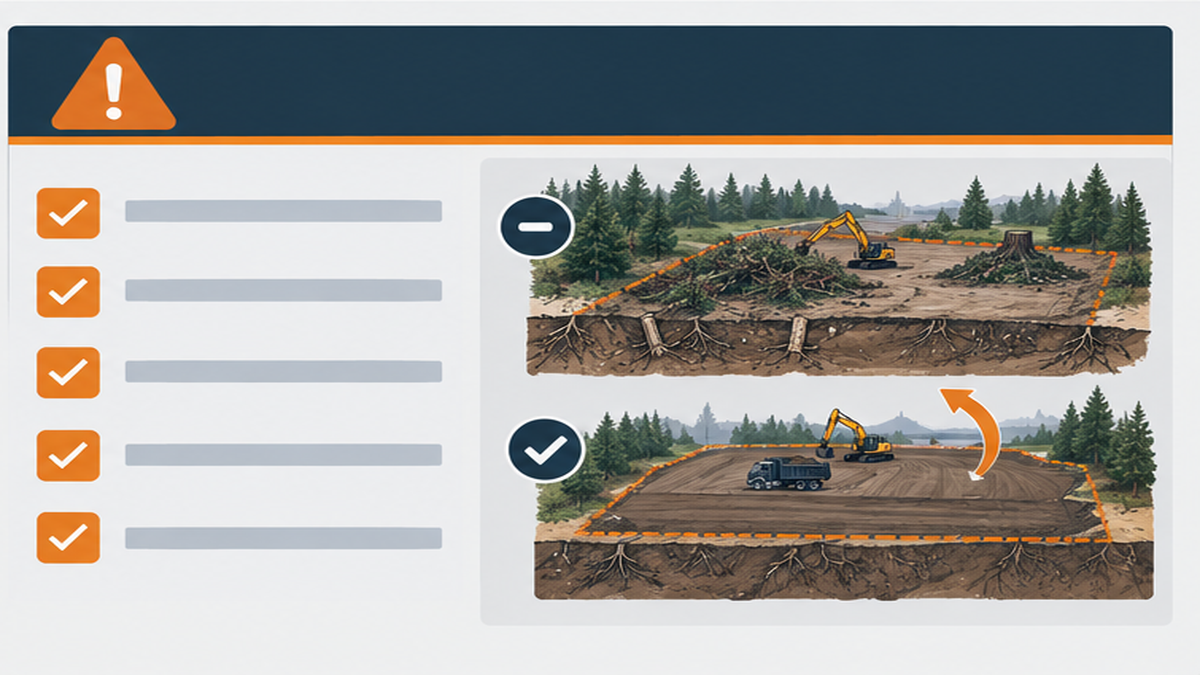
Taking the lowest bid on a dirt work package often leads to schedule delays and hidden fees. Cheap quotes usually assume perfect soil conditions and easy access. When the crew inevitably hits buried concrete or heavy clay, they hit you with change orders for extra machine time and disposal fees. Low bids may also omit the actual cost of trucking and facility dumping, leaving you responsible for the haul-off logistics. In some cases, inexperienced operators might damage existing utilities or fail to manage slope stability during the dig, causing cascading delays for your foundation and framing crews. We provide a fixed cost estimate before work begins based on a real site assessment and your geotech report. This approach ensures the number you see is the number it takes to get the site fully prepped and cleared, keeping your overall build schedule intact.
How Our Site Assessment and Estimate Process Works
Every excavation and haul-off project requires a custom quote based on actual site conditions. We do not offer blind phone prices because guessing leads to inaccurate budgets. The process starts when you email us your drawings, plan set, and geotech report. We review the scope to understand the volume, material type, and access constraints. For complex lots or retaining wall decisions, we conduct a thorough site assessment to check equipment access and soil realities. We are the installer, not the design engineer. If you do not have stamped drawings yet, start there—we can recommend a Washington licensed firm to handle the structural engineering. Once we have the approved work plan and understand the logistics, we provide a detailed, fixed written estimate. This document outlines the exact demolition, loading, and disposal steps so you know precisely what it takes to clear your site.
Common Questions About Soil Removal Pricing
How much does it cost to have soil removed?
How much is 2000 pounds of dirt?
How long does Demolition & Soil Removal take?
How to estimate dirt removal?
Request a Project Estimate
Budgeting and Payment Schedules
Earthworks packages represent a significant portion of your initial build budget. While we focus strictly on the installation and site preparation, we understand that developers manage complex project funding. We require clear payment schedules tied to project milestones, which we outline in your fixed written estimate. Because we lock in the scope after reviewing your geotech report, you can confidently submit our numbers to your lenders without worrying about sudden price spikes for standard haul-off. Having your financing organized before the site assessment keeps your foundation schedule on track.
How Your Schedule Impacts the Final Quote
Your project timeline directly impacts the final cost of soil removal. If you face a tight schedule before a foundation pour, we may need to run multiple trucks and deploy extra operators, increasing daily equipment costs. A flexible schedule allows us to optimize truck routing and avoid premium rush charges. Weather also bridges the gap between time and money. Excavating during heavy rain slows down machinery and adds water weight to the soil, increasing tipping fees. Finalizing your plan set early helps control logistics and keeps the budget predictable.